The fear

The fear

It is associated with the Water element in TCM

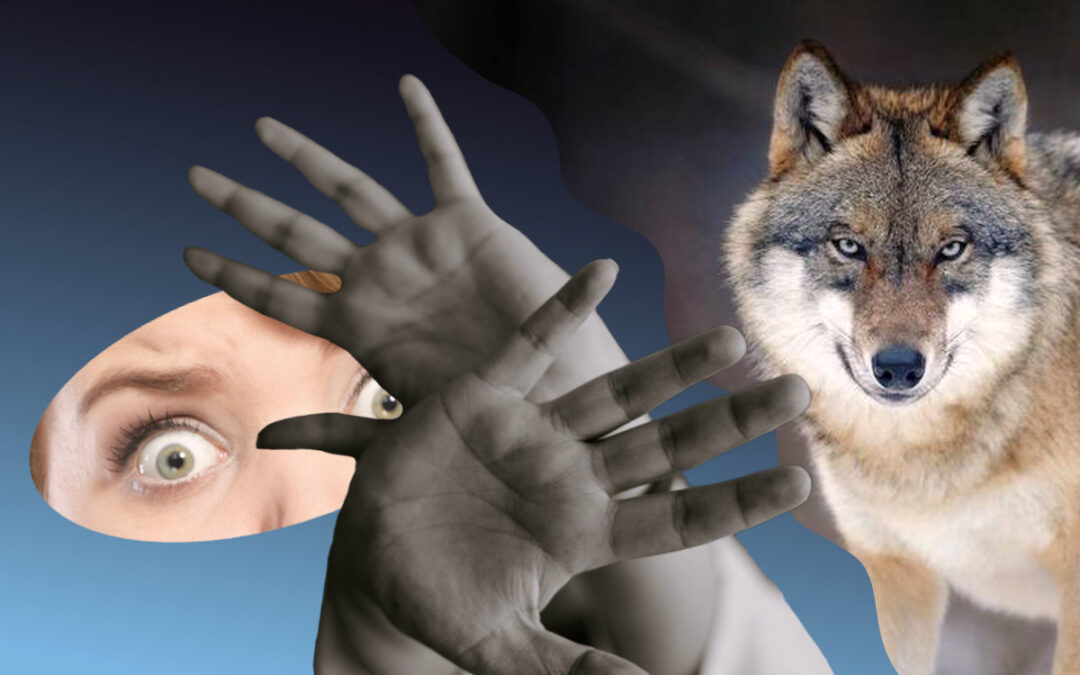
Fear is part of the palette of human emotions. It manifests when the situation eludes us, when we have, or think we have, no more control. Physiologically, it corresponds to a strong release of adrenaline, resulting in an increase in blood pressure and pulse.

In other words, fear is a consequence of the analysis of danger which allows the subject to flee from it or to fight it. By extension, the term can also designate apprehension linked to unpleasant situations.

There are two types of fear: external fear and internal fear.

  • External fear is a reaction to an external situation that the individual seeks to avoid.
  • Internal fear is an internal fear connected to an often negative emotion (eg, low self-esteem).

Fear takes different forms depending on how an individual feels and describes it. This can range from being cautious to extreme paranoia. Fear therefore includes different emotional and cognitive states including worry, anxiety, terror, horror, panic and fear.

Chinese Medicine and Fear
Les reins

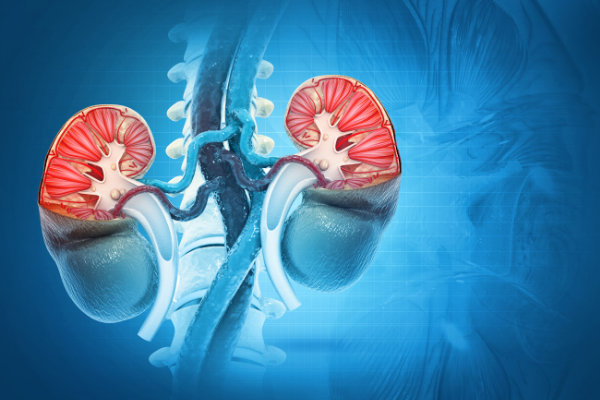
In TCM, fear or anxiety is directly linked to the kidneys. This state, if prolonged or persistent can seriously harm daily life.

In TCM, the lower back is the Palace of the Kidneys. So the kidney void is the root of all low back pain. Most of the time, all the energetic imbalances of the Kidney are manifested, among other things, by pain in the lower back and knees.

In TCM, we talk about the Kidney to speak of the organ made up of a yin kidney and a yang kidney, but also of the whole of the functions of this pair of organ. The Kidney governs birth, growth, development, aging processes and reproduction. It is on him that sexual functions and fertility rest. We owe him the endurance, the will, the energy we have.

The Kidney assumes the energy management of the body and the balance between Yin and Yang. 

The Kidneys also control the bladder and anal sphincters. Fear will cause qi down, causing kidney disease. Therefore intense fear can cause urinary or anal incontinence.

Kidney Void (or Kidney Energy Void)

Kidney deficiency can manifest itself through the following symptoms: weak willpower, dental problems, hair loss, bone fragility, water retention or edema, urinary problems (leakage, incontinence, etc.), hearing loss, etc.

It can be caused by repeated physical exertion, overwork, old age, sexual excess in men, and closely spaced pregnancies.

Kidney Fullness (or Excess Kidney Energy)

In case of excess Kidney energy, a person will experience great recklessness, heightened sexual excitement, night sweats, heat in the soles of the feet and palms of the hands, and insomnia.

How to have strong kidneys
femme qui dort
  • Sleep
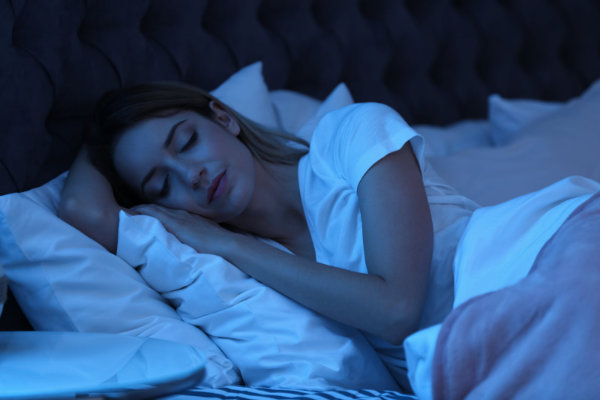
    The kidneys, like batteries, recharge between 10 p.m. and 4 a.m. Lack of sleep during these hours inevitably results in a weakened kidney.
  • Eat properly.
    Certain foods strengthen the kidneys such as soy, duck, dried beans, lentils, nuts and dried fruits, oysters, sea shrimp, vegetables or roots (carrot, potato, turnips, etc.), apples, pears.
  • Hydrate properly.
    Drink fluids such as water or unsweetened fruit juices regularly and in reasonable quantities. All drinks not exceeding 1.5 liters on average per day.
  • Move.
    Here we can distinguish two kinds of activities. : intense activities causing a high heart rate, and more meditative activities such as tai qi or qi gong. The latter are highly indicated because they allow the qi to circulate freely, thus protecting the body from external attacks.
  • Avoid chemical drugs.
    See article on drugs harmful to the kidneys
Yǎngshēng: nurturing life

Yǎngshēng: nurturing life

Techniques to preserve health

“Nourishing life” is the literal translation of Yǎngshēng, this little-known branch of Traditional Chinese Medicine (TCM). Yet Yǎngshēng holds an essential place in it. It is a set of methods and recommendations for maintaining health and increasing longevity.

For cultivating health is the primary goal of TCM, which considers health and not illness. In fact, Yǎngshēng is still taught in schools of Chinese medicine today. The Su Wen says: “Waiting until you are sick before treating yourself is like waiting until you are thirsty before digging a well, or waiting until war is declared before forging weapons. Isn’t that too late?”

Living in harmony with one’s environment

“Nourishing life.” The phrase itself is inspiring! It invites us to get closer to Nature and respect its rhythms and rules. Understanding the essence of Yǎngshēng enlightens us on how to transform our daily lives to live healthier… and happier lives.

It’s within everyone’s reach, provided they take the first step! This can start by reducing their sugar and alcohol consumption, taking up an art form, or an activity like climbing, boxing, dancing, meditation, spending time in nature… the list is endless. So let’s explore the avenues Yǎngshēng offers us.

Health results from balance and harmony. Humans can only be healthy if they live in harmony with their environment and respect the cycles of Nature. This includes moving in the natural direction of life, or in other words, “with the flow.”

Harmony means moderation. Yangshēng recommends banishing excess in all areas of life: food, sexuality, emotions, etc.

Excessive activity can be as harmful as excessive sedentary living. Harmony, and therefore health, is found in the right balance.

The search for balance

Yǎngshēng offers techniques that cover all ages of life, from birth to death. This includes :

  • Improve diet
  • Exercise regularly
  • Practice an art
  • Manage your rest
  • Improve qualitatively your sex life
  • Meditate

Indeed, when the mind is calm and clear, the disease cannot enter. “A man in peace will not get sick,” says an old Chinese saying.

Yǎngshēng places particular importance on adapting to the seasons. For example, in spring, it is recommended to get up earlier, when the days are longer, and to exercise more upon waking. Conversely, one should spend more time sleeping in winter, when the nights are longer. This adaptation to the seasons naturally includes diet. In spring, which corresponds to the liver organ in Chinese medicine, one should favor foods that support the liver, or even practice fasting.

Breathe

Breathing is the source of life. It begins with the newborn’s first cry and ends with the last breath. However, while babies breathe naturally by inflating their belly, as they grow, they limit their breathing from their nose to their diaphragm!

And deep, ample breathing is essential to life. The more consciously we breathe, the more we benefit from the benefits of breathing. The simple act of breathing fully allows us to be more relaxed, better nourish our organs, and experience our emotions more serenely. Techniques such as Prānāyāma help develop full and conscious breathing.

Eat well

cuisine santé

As with the Greek philosopher and physician Hippocrates, dietetics is the first discipline of Chinese medicine.

We cannot hope to be healthy if we eat the processed products offered by the food industry. In Cambodia, for example, the massive use of white sugar and glutamate in food has become commonplace, killing thousands of people!

We must therefore favor unrefined products, limit meat consumption, and consume more fruits and vegetables and fewer starchy foods.

It is important to choose seasonal, freshly harvested, and naturally grown products. Finally, it is important to prepare them with love… and to enjoy them peacefully!

Control the body and mind

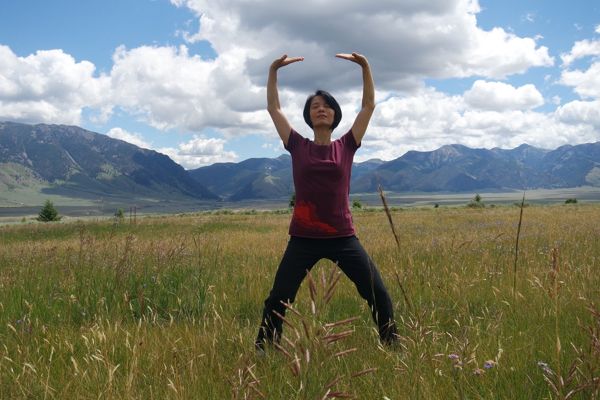
Life is movement, according to Taoist philosophy. Physical exercise is therefore recommended. It must be adapted to age and season. The practice of Qigong is one of the royal paths to cultivating the mind and body, along with taijiquan, meditation, yoga, etc.

Qigong consists of a series of postures and slow movements that help loosen joints and restore a harmonious flow of qi—or vital energy—throughout the body. Regular practice of qigong increases this qi and controls its circulation. Qigong is based on conscious breathing, relaxation, posture, and visualization. It is an extremely powerful self-treatment practice in itself. It helps calm the mind and better regulate our emotions.

Indeed, emotional disorders and stress are major factors in illness, especially in our contemporary world, which has broken this harmony with Nature. Yangshēng advocates taking care of our thoughts and emotions. This allows us to cultivate harmonious relationships with our fellow human beings, an essential condition for health, longevity… and happiness!

Benefits of inestimable value

Couple heureux

Do not wait to practice Yǎngshēng and enjoy its benefits:

  • Better immunity, so better health
  • Increased self-confidence
  • An increase in creativity
  • A better emotional balance
  • A clear mind
  • More vitality
  • More joy of life

You can already start with the following three points:

  • Do 3 times a week for at least one hour of exercises including cardio exercises
  • Eliminate sugar (alcohol), reduce salt, replace snacks with fruits
  • Sleep for at least six hours between 10 pm and 6 am, hours that allow optimal recovery

Diabetes: TCM’s solutions

Diabetes: TCM’s solutions

Chinese Medicine solutions


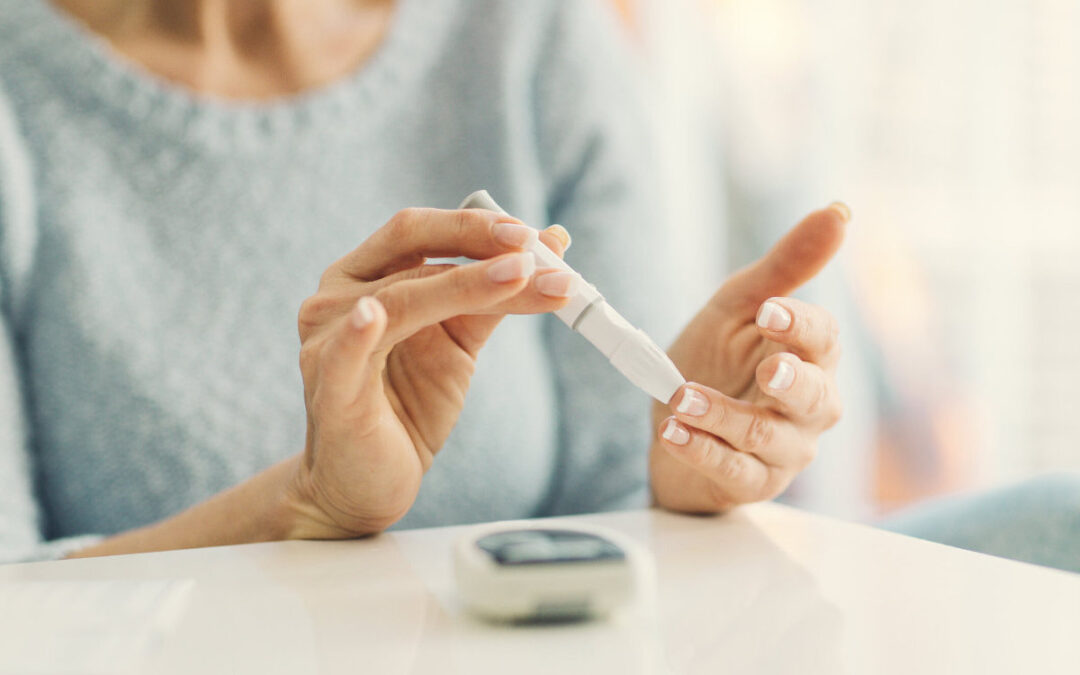
Diabetes is experiencing alarming growth worldwide. A WHO report estimated that 422 million adults were diabetic worldwide in 2014, compared to 108 million in 1980. Cambodia is no exception, with 230,000 cases recorded in 2015. In some regions, the rate of diabetes reaches as high as 10%.

How can this phenomenon be explained? Risk factors are primarily linked to an unhealthy lifestyle: a sedentary lifestyle, lack of physical activity, excess consumption of refined foods, overconsumption of sugar in particular, and alcohol, not to mention emotional factors linked to an overly stressful lifestyle.

10 spoons of sugar in a soda

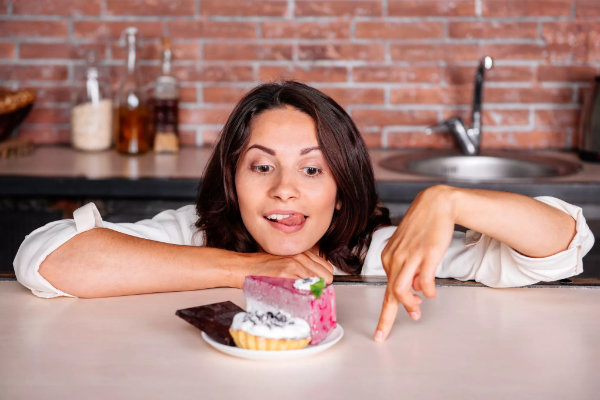
Femme devant gâteaux

In Cambodia, sugar consumption has reached alarming proportions: the proliferation of sugar-laden sodas, the ubiquitous use of white sugar in cooking, and sweetened condensed milk in coffee and various other drinks.

Drinking a can of soda is equivalent to eating 10 teaspoons of sugar!

However, it is encouraging to see that more and more Khmer people are becoming aware of the damage caused by sugar.

Indeed, the body is designed to assimilate the sugars naturally present in food and does not need additional sugar. Therefore, any additional sugar intake will create imbalances in the overall functioning of our body.

Diabetes is not inevitable

But diabetes is not inevitable! While some have a genetic predisposition, most type 2 diabetics can reverse their disease, or even cure it, by reviewing their lifestyle, diet, exercising, and maintaining a healthy work-rest schedule. Type 1 diabetics can also improve their condition.

A clinical study conducted by Newcastle University and published in Cell Metabolism demonstrated that significant weight loss in type 2 diabetic patients immediately after diagnosis restored insulin production, thereby leading to a cure.

A closer observation showed them that this weight loss led to a reprogramming of pancreatic cells, which returned to normal function. They thus proved that diabetes could be cured, contrary to popular belief.

Xiāo Kè or the syndrome of useless thirst

Diabetes has been known and treated for over 2,000 years by Traditional Chinese Medicine (TCM). In Chinese, diabetes, Xiāo Kè or “unnecessary thirst syndrome,” is identified as a global disharmony, itself linked to a yin deficiency.

To avoid Xiāo Kè, you should refrain from:

  • drinking alcohol,
  • eating sugar, or foods or drinks with added sugar,
  • eating excessively fatty foods (fried foods).

And above all, you must move! Regular and intensive physical exercise is essential to prevent diabetes.

Acupuncture and pharmacopoeia

TCM does not measure blood glucose levels. It applies personalized treatment to each patient after a complete diagnosis. First, palpation of the Chinese pulse, questioning, observation, and palpation of the body are used.

The patient is treated with acupuncture and Chinese pharmacopoeia. This treatment gradually restores the body’s energy balance, allowing the organs to return to their natural, and therefore healthy, functioning.

The more the patient agrees to review their diet and lifestyle, the greater their chances of recovery.

The Chinese medicine doctor may recommend, in particular, the practice of qigong, whose health benefits are well-proven.

Pouls chinois

Le diabète n’est donc pas irrémédiable. Mais mieux vaut encore suivre le précepte de ce grand médecin chinois du 13ème siècle, Zhu Zhenheng : « Entretenir la santé vaut mieux que de traiter la maladie. »

The action of qigong on diabetes

Qigong has been practiced for over 2,000 years in China, particularly for its therapeutic effects. This discipline—when practiced regularly—has a beneficial and regulating effect on the entire metabolism. People with diabetes therefore have every interest in practicing it.

In an article published in 1984, Dr. Zhan Ke Fu recounts his own experience. A diabetic who relied on insulin, he decided to start practicing Tai Ji Qigong. After 15 days of diligent practice, he stopped using insulin. Three months later, his blood sugar and urine glucose levels had returned to normal.

Five other patients participated in an experimental study, practicing Tiao Xi Bu Gong, another style of qigong, every day for three hours. After three months, the results were such that all five were able to stop all their hypoglycemic medications or insulin. During a follow-up six months later, these patients’ blood sugar levels remained normal.

Qigong classes at Essence of Health

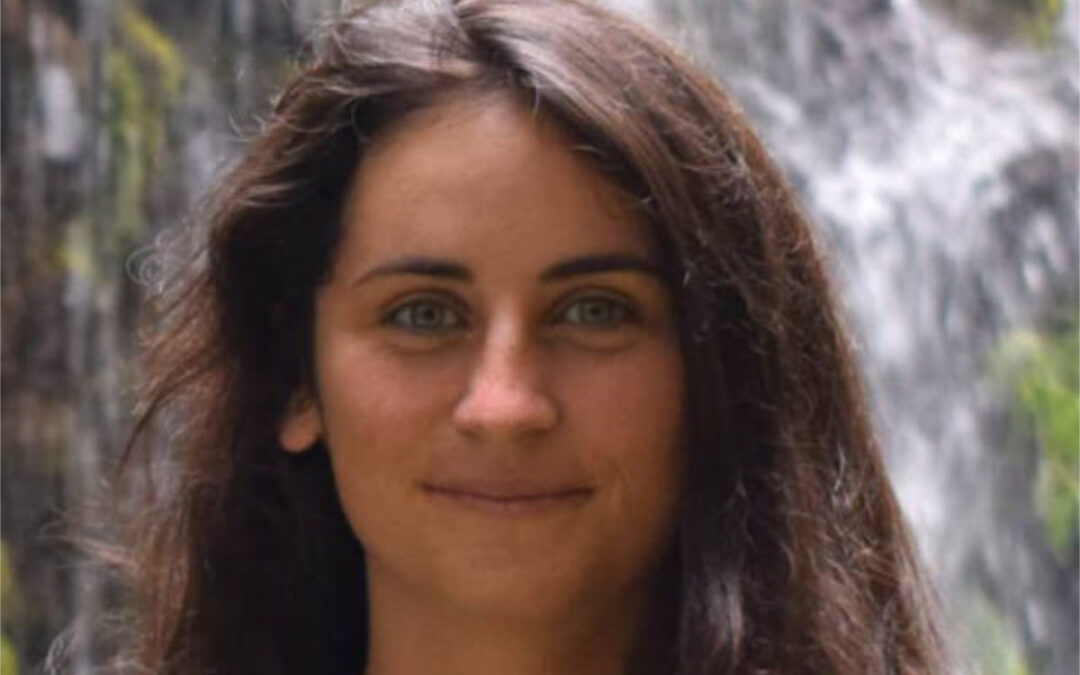
Mariéva Gruffat

Mariéva Gruffat

Passionate about osteopathy

Mariéva Gruffat grew up in an environment centered on respect for human beings and their interaction with nature. She learned to observe and listen at a very early age from her mother, a horticulture teacher. With her father, the director of an organic produce cooperative, she developed her sense of vital energies.

As she grew older, “helping people” became increasingly important to Mariéva. She therefore chose to pursue a bachelor’s degree in the social sector, which she supplemented with training in psychology. She understood the influence of emotions on behavior, posture, and sometimes even pain. She then sought a model of care that connected the body and mind.

Holistic medicine seemed most appropriate to her because it respects the patient’s integrity through the use of natural methods. She therefore chose osteopathy, a therapy that allows her to use her hands, already full of vital energy. When she was little, her mother told her she had magic fingers.

Training at the Andrew Taylor Still Academy in Lyon

Marius Gruffat studied at the Andrew Taylor Still Academy, an osteopathy school in Lyon, France, where the emphasis was on the humanistic aspect of osteopathy and individualized student support. A great adventure began for her! From her first year, she learned to develop the sensitivity of her hands through listening and touch. Little by little, she became familiar with the various theories of the human being and the cosmos.

She perfected her techniques and engaged in various clinical experiences both inside and outside of school. For example, she participated in sporting events with physical therapists; she also spent several months attending a class at the Lyon Conservatory of Music, working with a team of several osteopaths.

Her passion for her profession took her to Senegal for a humanitarian mission, where she met other osteopaths, who introduced her to other techniques that broadened her scope of practice.

Teamwork

At 26, she chose to continue her journey in Cambodia. “Practicing osteopathy in Cambodia is a way for me to combine my passion with discovering other cultures,” explains Mariéva, who enjoys combining travel and work.

“As an osteopathy student, I had a plan to work as part of a team,” explains Mariéva, who is now seeing this project come to fruition with the collaboration within Essence de Santé. There are many similarities between Chinese medicine and osteopathy. Both are holistic therapies aimed at restoring balance and restoring the body’s capacity for self-healing and full health.

What is osteopathy?

Séance d'osteopathie

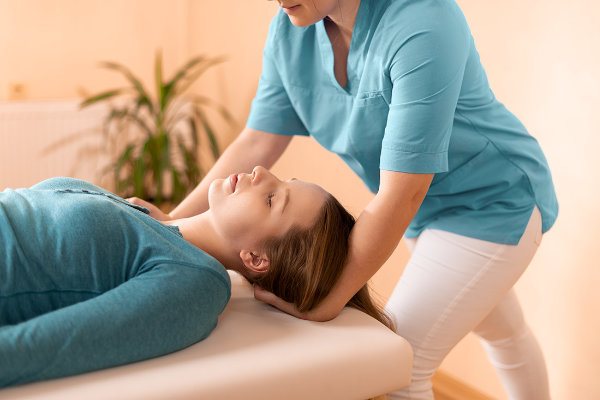
Osteopathy is a therapeutic approach that helps the body regain its adaptive capacity and full mobility by acting on tissues (muscles, tendons, bones, ligaments, arteries, etc.) whose balance has been disrupted by accidents, physical, or psychological trauma.

Osteopathy has a very broad scope. It can treat lower back, neck, and sciatic pain, as well as digestive disorders such as chronic constipation; sleep disorders, anxiety, migraines, and sinusitis. And many more…

For athletes, musicians, or singers, regular follow-up can prevent injuries and relieve certain pains. Osteopathy is particularly useful for treating women during pregnancy, after childbirth, and for their infants.

Different techniques can be used depending on the differentiated needs of each person. “I always favor treatment that listens to the patient and uses tissue techniques, or more commonly known as gentle techniques without cracking,” explains Mariéva Gruffat.

Danger for the kidneys!

Danger for the kidneys!

Many medications are harmful to the kidneys

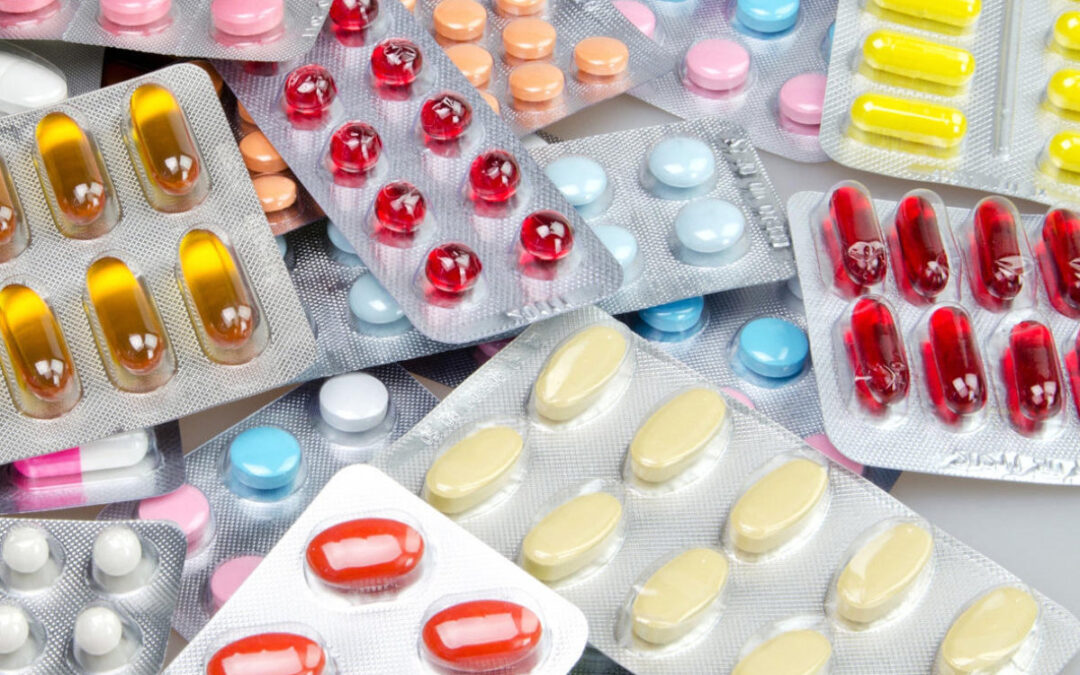
Taking chemical medicine can cause many side effects and damage to certain organs such as kidneys.

In nearly 10% of acute renal failure there is taking drugs. The kidney functions of elimination of toxins from the blood, and of regulation of the acid-base metabolism of the body become brutally faulty result, water retention with risk of edema to the lungs, see in extreme cases an uremia, urea is retained in the blood (lethal). Traditional Chinese medicine invites us to reconsider our lifestyle and seek natural treatments instead of taking significant risks of intoxication. Chemical drugs do not treat the cause. They may quickly improve our condition, our pain but in no case will treat the cause.

Traditional Chinese medicine invites us to reconsider our lifestyle and to seek natural treatments instead of taking important risks of intoxication. Chemical drugs do not treat the cause. They may quickly improve our condition, decrease our pain, but in no way will they treat the cause of our ailments.

Here is a non-exhaustive list of medications that can generate harmful side effects to the kidneys. Generally speaking, it is prudent to limit their use over time, or even avoid them if possible by favoring 100% natural treatments.

  • Analgesics and non-steroidal anti-inflammatory drugs:

ibuprofen, naproxen, aceclofenac, acetaminophen …

  • Antirheumatic drugs:

infliximab (Remicade), chloroquine and hydroxychloroquine, lithium

  • Antibiotics:

methicillin, ciprofloxacin, vancomycin, sulfonamides.

  • Anticonvulsants:

Phenytoin (Dilantin) and trimethadione (Tridione) used in the treatment of seizures.

  • Antivirals:

Acyclovir (Zovirax) used to treat herpes, indinavir and tenofovir used to treat HIV

  • Antihypertensives:

Captopril (Capoten).

  • Chemotherapy treatments based on :

Interferons, pamidronate, cisplatin, carboplatin, cyclosporine, tacrolimus, quinine, mitomycin C, bevacizumab…Propylthiouracil

  • Antithyroid drugs:

Propylthiouracil