Immunity, our ally

Immunity, our ally

Our immune system protects us

Looking back on the madness experienced during the “Covid-19 Pandemic,” it’s important to remember the importance of our immune system. Indeed, under the same epidemic conditions, people with strong immune systems are more resistant to viruses. Those with weak immune systems are more vulnerable.

This immunity depends on the quality and quantity of our vital energy, according to TCM.

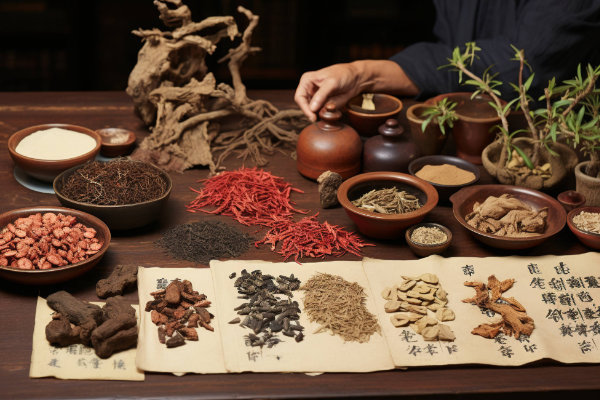
Traditional Chinese Medicine (TCM) is often known as a preventative medicine. And for good reason, its philosophy is to keep the individual healthy to prevent them from getting sick. Therefore, TCM corrects energy imbalances so that the body can do its natural job of maintaining health.

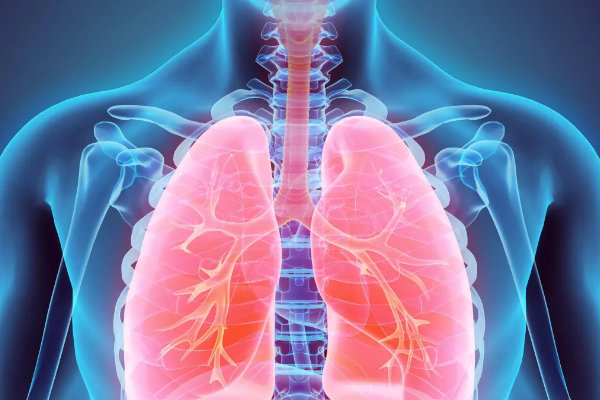
Indeed, a well-maintained body has good immunity. In Chinese medicine, it is the defensive energy: Wei Qi, which is our primary protection against external aggressions, including viruses. It acts like a second skin. Wei Qi is developed under the control of the Kidneys in conjunction with the Lungs. It is therefore essential that these organs be strong.

It is particularly important to ensure proper kidney function, as they contribute to the proper functioning of the lungs. Therefore, if the kidneys are weakened, the defensive energy, or Wei Qi, will also be weakened.

A healthy lifestyle

To maintain good immunity, it is essential to maintain a balanced lifestyle. We should take care to have:

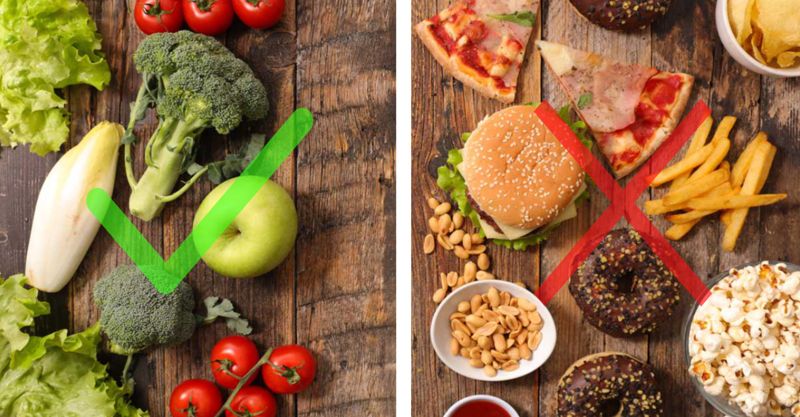
  • A balanced and healthy diet,
  • Restful sleep,
  • Exercise,
  • Deep and conscious breathing,
  • Relaxing practices: meditation, yoga, etc.
  • Spending time in nature

Emotions play an important role in the quality of our immunity. Indeed, fear, stress, anxiety, etc., experienced excessively or for too long, lead to a weakening of the organs, and therefore a decrease in immunity.

The times we live in are particularly anxiety-provoking and lead many people to fear, even panic.

However, in TCM, the emotion of fear damages the kidneys, the seat of our vital energy. Good vital energy allows us to generate good defensive energy (wei qi), and therefore guarantees good immunity.

This is why it is particularly important to be careful not to dwell on fear or anxiety. Practicing a sport, as well as meditation or practicing an art, are good ways to distance ourselves from fear or stress and reduce their impact.

Qigong and TCM to strengthen immunity

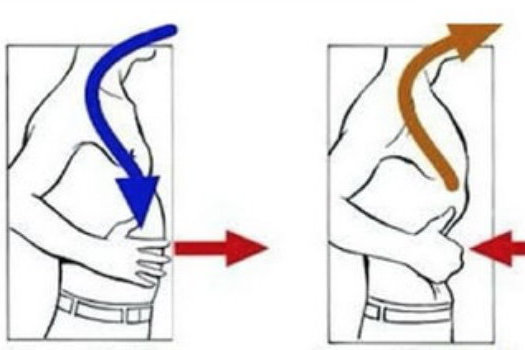
Regular practice of Qigong (at least 30 minutes per day) helps nourish vital energy. It calms the mind (Shen), circulates energy (qi), and ultimately nourishes the Jin (vital energy). Focused on deep breathing and relaxation, Qigong has a powerful effect on both the mind and body.

For people suffering from sleep disorders, emotional instability, or chronic anxiety, it is recommended to consult a practitioner of Chinese medicine. Acupuncture and pharmacopoeia will help them regain physical and emotional balance, and thus strengthen their vital energy. This will boost their immunity.

Knowing how to maintain serenity during times of crisis is the key to good immunity. This is why TCM has always advocated “Nourishing Life” by maintaining one’s health through the principles of Yang Sheng. This is the best way to always be ready to face any external aggression, including viruses.

Health measures harmful to health

Personnes masquées

In times of epidemics, immunity must be the priority of public health policies. However, the health measures implemented during the “COVID-19 Pandemic” unfortunately all went against this.

Wearing a mask restricts breathing and prevents proper oxygenation of the body.

Confinement prevents us from enjoying the fresh air and sunshine, a source of vitamin D and known to strengthen immunity. It makes it difficult to practice sports like jogging or brisk walking, especially if we have to wear a mask outdoors!

Social distancing hinders affectionate exchanges and natural human relationships, such as smiling and hugging. These are essential to our overall well-being. They are even more essential for children.

Finally, the deluge of anxiety-inducing information constantly broadcast on television and in the media creates a climate of stress. Psychologists all confirm an increase in cases of anxiety and depression, particularly among young people, during this period… and since.

Brigitte Prud’hon

Brigitte Prud’hon

A path to healing

​Brigitte Prud’hon was born in France in 1962. She started her professional life in office jobs, mainly as an executive assistant. She then worked as an editorial secretary in the print media after retraining.

At the age of 40, her life took a new turn. This is when she met Dominique. Together, they began an in-depth research on the human being in all its dimensions. Together they made the pilgrimage to Compostela, a magnificent experience that would leave an unforgettable mark on her life.

They then left the sedentary life to live and travel in a camper. It is on this way that in 2004 they discover their master Henli Röder. They decided to study Chinese medicine, martial arts and Qi Gong with him.

Brigitte has always been curious about the human being. She was very interested in psychology to better understand the human psyche, and above all to learn more about herself. Suffering from depression and a deep malaise for years, she has undergone numerous therapies and taken many chemical drugs, without real success.

It is along this journey, started with Dominique on Compostela, and continued with her master in Holland, that she will finally find healing.

Brigitte has always been passionate about cooking, plants and nature. She is also interested in Feng Shui, as a valuable complement to Chinese medicine. She also plays classical guitar.

With a caring and sensitive nature, she loves more than anything to help people be healthier, and to discover their path to happiness and true freedom.

Memories of internship in Ha Noi

Dominique Pierre-justin

Dominique Pierre-justin

A rich life path

Dominique Pierre-Justin was born in Paris in 1963 and grew up in Switzerland. He had a successful career as a computer scientist, manager and teacher for adults.

At the age of 35, he completely changed his life. He met his first teacher, Isabelle, who revealed to him his potential in healing and his intuitive ability to diagnose and help patients. He then decided to study naturopathy.

Dominique started working as a naturopath in Switzerland (Neuchâtel) and then moved to France in 2001. He opened a new naturopathic practice there. He met Brigitte at that time and together they started a thorough research on the human being in all its dimensions.

They started learning Chinese medicine and martial arts in 2005 with Master Henli Röder.

From a very young age, Dominique has always had a passion for people and life in all its expressions. He has practiced many sports such as windsurfing, scuba diving, flying, climbing and skiing.

Dominique is also very passionate about music. He is now studying guitar and has recently launched a youtube channel to challenge himself with a good presentation. Today, his warm and generous nature finds its best expression in the practice of Chinese medicine and coaching people.

Memories of internship in Ha Noi


Jīng, essence of life

Jīng, essence of life

The key to health and longevity

Jing, or the essence of life, holds a primordial place. Indeed, in a world that no longer respects the natural rhythms of life, our health is compromised. The very fear of illness and death is detrimental to life. Yet, traditional medicines, like Chinese medicine, have taught us the foundations of health and longevity for thousands of years.

In Taoist culture, this quest for longevity even extended to the pursuit of immortality (see below). In this quest for health and longevity, Jing holds a central place. But what is Jing?

Jing (精) refers to “essence,” particularly the essence of the kidneys. Jing (along with qì and shén) is one of the three treasures (三寶, pinyin: sānbǎo) of traditional Chinese medicine (TCM).

Jing originates from two distinct sources: prenatal essence and postnatal essence.

Prenatal essence, or innate jīng, is inherited from the sexual essences of the father and mother. It is present from the moment of fertilization. It determines the child’s vitality, development, health, and immunity.

Postnatal essence, or acquired jīng, comes from the subtle essences extracted from food by the Spleen and from the air by the Lungs. These subtle essences can be compared to nutrients.

When postnatal essence is abundant, it is stored in the Kidneys, maintaining and nourishing the prenatal essence.

Innate jīng and acquired jīng

This jīng is therefore one of the three Treasures of TCM, according to which humankind can only exist if these three elements meet and combine:

  • Shen, consciousness,
  • Jīng, the essence of life,
  • Qi, the energy of breath or metabolic activity.

    Shen Maintenance and Qi Production

    The Shen, this formless entity comparable to the soul, manifests its good health through its will and desire to live. Its vivacity is reflected in the brightness of its eyes.

    The production of qi depends essentially on the proper functioning of:

    • the lungs, which collect energy from the air,
    • the spleen/stomach, which collects energy from food and drink

      A vital capital

      The “energy” capital of jīng is limited and non-renewable. Only acquired jīng can be maintained and cultivated.

      Its presence is essential to life. After puberty, this essence controls reproductive function and fertility. It governs the body’s growth processes such as the development of bones, teeth, and hair. It also plays a role in mental clarity. Jing moves the human body through the different stages of life: birth, childhood, puberty, motherhood, maturity, and old age.

      The Kidney Essence conditions a person’s entire life: from growth during childhood to maturity as an adult. It is essential later, when illnesses may arise, until death. More generally, we can say that vitality and longevity come from the Essence. Our health, balance, well-being, and longevity depend on this capital: its depletion leads to death!

      As the body ages, the jīng, inherited at birth, gradually depletes. This loss of jīng is accelerated by stress and overwork, emotional excesses, distraction, drug, tobacco and alcohol abuse, illness, injury, poor diet, and sexual immoderation.

      Strong jīng or weak jīng?

      The Kidney Essence conditions a person’s entire life: from growth during childhood to maturity as an adult. It is essential later, when illnesses may arise, and even death. More generally, we can say that vitality and longevity come from the Essence.

      The loss of jing leads to physical and mental degeneration. Conversely, a strong jing promotes a long and vibrant life.

      In traditional Chinese medicine, jing is therefore considered very important for longevity. Jing can be preserved and even strengthened by:

      • Adequate rest
      • Meditation
      • Qigong practice
      • Herbal tonics
      • Acupuncture treatments

      To preserve jing, it is also important to practice gratitude, kindness, compassion, generosity, and avoid emotional excesses. Cultivating one’s jing therefore allows one to live healthier and longer.

      Longevity through Taoist practices

      Bāguàzhǎng

      Longevity in Taoism is practiced on two levels: bodily longevity on the one hand, and on the other, a more spiritual work that consists of strengthening the part of the mind that does not die.

      The bodily part is called the work of “Mìng” or Destiny. The work of the mind is called “Xìng” and encompasses a dual process: the work of Xīn (heart-mind) and Shén (consciousness). The complete practice is called “Xìng Mìng shuāngxiū,” which can be translated as “joint practice of Xing and Ming to unify them.”

      The “Ming work” thus consists of preserving the body as much as possible to allow Xing to become aware of itself. This practice therefore encompasses all the physical aspects of internal martial arts (Bāguàzhǎng, Taiji quán, xíng yì quán, liùhébāfǎquán, Qigong, etc.). It also incorporates diet and proper management of all bodily rhythms, particularly sleep.

      Xin work involves psychological introspection aimed at uncovering all the mechanical and automatic aspects of emotions. Indeed, these chain us to repetitive and often unhappy processes.

      During this work, we grasp, as much as possible, our shadow. If this work does not take place, all spiritual deviations become possible. As long as this work of updating and purification is not completed, Xin obscures and hinders the development of Shen, which cannot reach its full potential.

      Cheng Man Ching

      Cheng Man Ching

      The master of the “five excellences”

      Of all the modern Tai Chi masters, none has had as much impact as Professor Cheng Man-Ch’ing. He passed away on March 26, 1975, in Taiwan. He is remembered today as the “Master of the Five Excellences” for his mastery of five arts: calligraphy, poetry, painting, medicine, and Tai Chi Chuan.

      Cheng Man-Ch’ing was born on July 29, 1902, in Yongjia, China. As a young man, he fell seriously ill with tuberculosis. A local doctor suggested that he practice Tai Chi Chuan as a means of healing. Cheng therefore began studying and practicing Tai Chi. As a result, he completely recovered from his illness.

      In his thirties, Cheng became a student of the great Tai Chi Chuan master, Yang Ch’eng-Fu. He studied the Yang form with him from 1928 to 1935, enduring many difficulties to learn this art. Although he himself became a great Tai Chi master, Professor Cheng, with his legendary modesty, always belittled his own skill compared to that of his teacher. He used to say, “If Tai Chi were a human body, all I have is my thumb. My teacher has my whole body!”

      Man-Ch’ing created his own form, the 37-step form, inspired by the traditional 108-posture Yang form he had studied with his master.

      A Tai Chi School in New York

      After a distinguished career as a doctor, senator, and martial artist in Taiwan, Professor Cheng, like many other Chinese martial arts masters and intellectuals, was forced to emigrate to Taiwan. There, he founded the “Shr Zhong,” or “Right Rhythm,” school of Tai Chi. He then left for the United States in 1964, where he opened a Tai Chi school in New York’s Chinatown district.

      He returned to Taiwan in 1974 for the publication of his commentary on Lao Tzu’s Tao Te Ching, a work particularly dear to his heart. Once his work was completed, he declared to his loved ones, “If I die, I will have no regrets.”

      Today, Cheng Man-Ch’ing’s legacy lives on through his poetry, his paintings, those he healed, and those to whom he taught his teachings, who in turn teach them to students around the world.

      The 37-step form

      Cheng Man-ch’ing is known in the West primarily for his t’ai chi ch’uan. Here are some of the characteristics of his “Yang style short form” or “37-step form.”

      It eliminates most of the repetition of certain movements in the Yang long form. It is much shorter than the Yang long form, taking about ten minutes to complete, compared to twenty to thirty minutes for the Yang form.

      The hand and wrist are open but relaxed, what Cheng calls the “beautiful lady’s hand.” The Cheng style is characterized by the “swing and return,” in which the momentum of one movement initiates the next.

      These modifications allowed Cheng to teach a larger number of students, including many Westerners, in a shorter time. His short form became extremely popular in Taiwan and Malaysia. Finally, he was one of the first Chinese masters to publicly teach t’ai chi ch’uan in the United States.