The goji berry

The goji berry

The fruit of inner vitality

Goji berries are increasingly popular in the West, where they have been known since the early 1990s. Asian countries have consumed them for millennia. They are used as medicinal plants in China, Mongolia, Tibet, and many other Asian countries.

Traditional Chinese medicine, in particular, incorporates goji berries into numerous recipes.

The Treasure of Ningxia

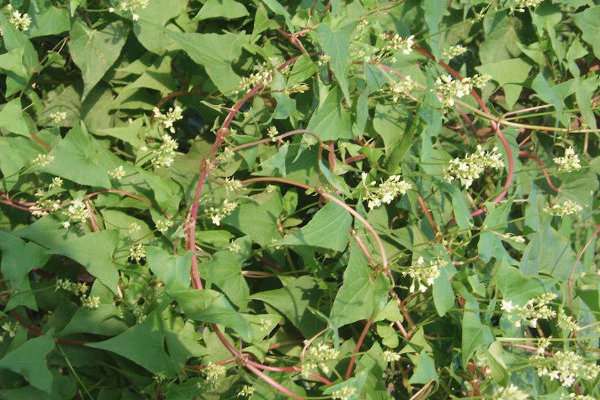
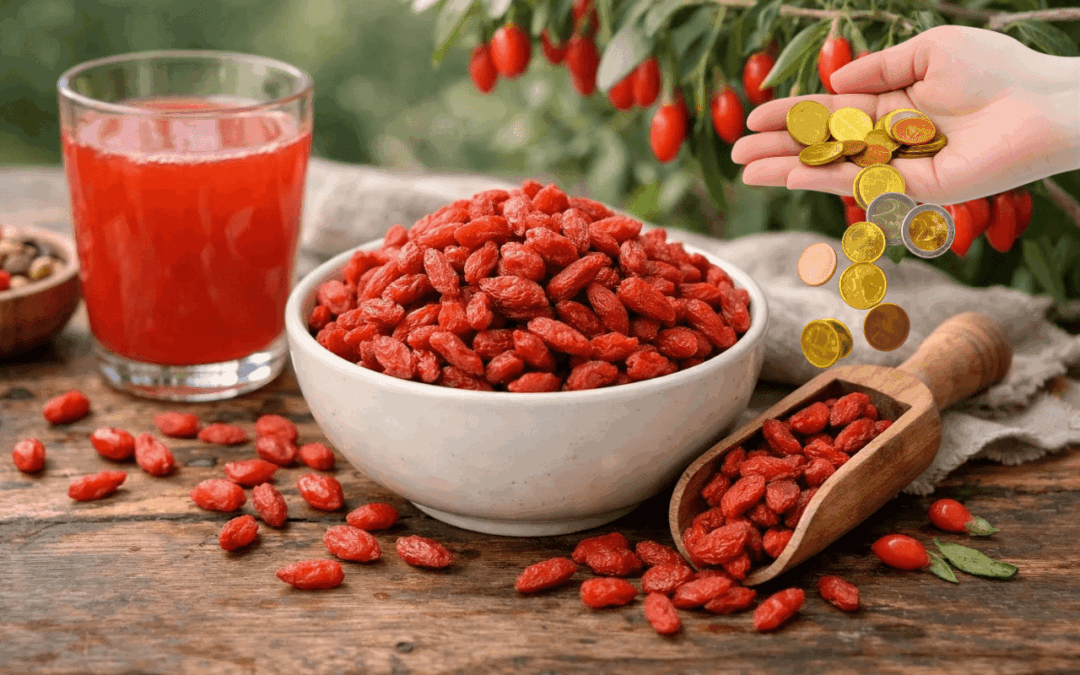
Goji berries (Gǒu Qǐ Zǐ, 枸杞子), better known in the West as goji berries, are the ripe fruit of Lycium barbarum or Lycium chinense, a robust shrub in the nightshade family (Solanaceae). This small, oblong fruit, a vibrant orange-red when dried, embodies concentrated vitality.

Its thin, slightly leathery skin protects a tender, sweet pulp with a subtle hint of bitterness. Goji berries are rich in juice when fresh. The shrub typically grows to a height of 1 to 3 meters. Its supple, sometimes thorny branches are adorned with lanceolate leaves and delicate purple flowers. These bloom between June and August. The berries then form and ripen gradually, changing from green to a brilliant red, a sign of their optimal maturity.

The authentic terroir – dào dì – of Gǒu Qǐ Zǐ is the Ningxia Hui Autonomous Region, China (see boxed).

Science supporting tradition

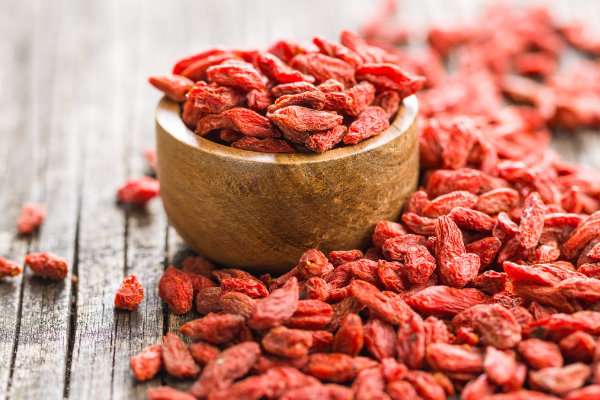
baies de goji sèchées

Several universities specializing in Traditional Chinese Medicine have recently studied goji berries to analyze their active ingredients.

Nanjing University of TCM has identified more than 321 traditional Chinese medicine formulas containing Goji Berry (Gǒu Qǐ Zǐ). At the heart of its action are the polysaccharides of Lycium barbarum (LBP). The fruit also contains complex chains of glucose, arabinose, galactose, mannose, xylose, and other sugars.

Research conducted at the Institute of Biophysics of the Chinese Academy of Sciences shows that LBPs improve environmental tolerance. In fact, they regulate the composition of the microbiota, reduce systemic inflammation, and support the body’s adaptation to climatic variations.

Other studies carried out in Ningxia highlight its rich biochemical profile. It contains: antioxidant flavonoids, alkaloids, carotenoids (including zeaxanthin, which is highly protective for the retina), vitamins from groups B, C and E, 18 essential amino acids, organic germanium and various trace minerals.

These elements have hepatoprotective, hypoglycemic, anti-atherosclerotic, and anti-osteoporotic effects. Numerous studies also confirm its anti-aging action. This action works by reducing oxidative stress, protecting mitochondria, and maintaining telomerase. A significant immunostimulation is also observed. Indeed, there is an increase in white blood cell production, a strengthening of humoral and cellular immunity, as well as the activation of erythropoiesis.

Restorative and harmonizing

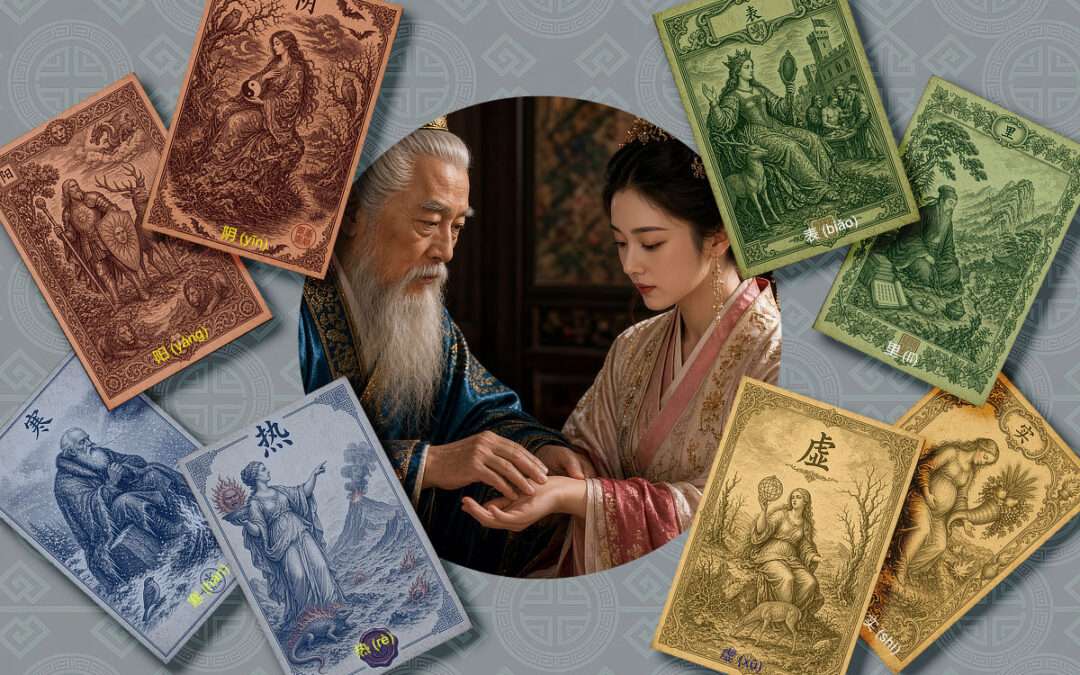
According to Traditional Chinese Medicine, Gu Qizi is mild (gan) and neutral (ping) in nature.

Its primary actions are to hydrate the Kidneys (zi shen), replenish the Liver (bu gan), improve eyesight (ming mu), lubricate the Lungs (run fei), and tonify the Blood (bu xue) and body fluids (jin ye). These properties make it a key ally for cultivating balance when Yin declines with age or in the face of daily stresses.

In the elderly, where Yin naturally diminishes, it is particularly restorative. It gently supports Kidney energy, aiding libido, erectile dysfunction, hot flashes, and the regulation of internal heat. It nourishes both Liver Yin and Blood. Finally, it moisturizes the eye structures and clarifies vision, particularly in cases of eye strain due to prolonged screen time.

In the lungs, it effectively treats persistent dry coughs. Its action on the blood, as demonstrated by the doctrine of signatures (its bright red color is linked to blood), promotes a radiant complexion and stronger hair.

When to call for help

Li Shízhēn specifies in the Běncǎo Gāngmù the particular benefits of Goji berries for Liver and Kidney Yin deficiencies. It is traditionally recommended for:

  • Vertigo (xuàn yūn);
  • Tinnitus (ěr míng);
  • Dull, persistent pain in the lower back and knees (yāo xī suān tòng);
  • Dry, painful eyes;
  • Blurred vision with floaters (fēi yíng);
  • Dull complexion;
  • Premature graying of hair;
  • Insomnia with vivid dreams.

A small handful (10 to 15 g) per day is generally sufficient. It can be infused in hot water, added to porridge, soup, or tea with red dates (Dà Zǎo), or combined with Dāng Guī to nourish the Blood more deeply. Its mild flavor makes it enjoyable for the whole family.

Cultivation and harvesting

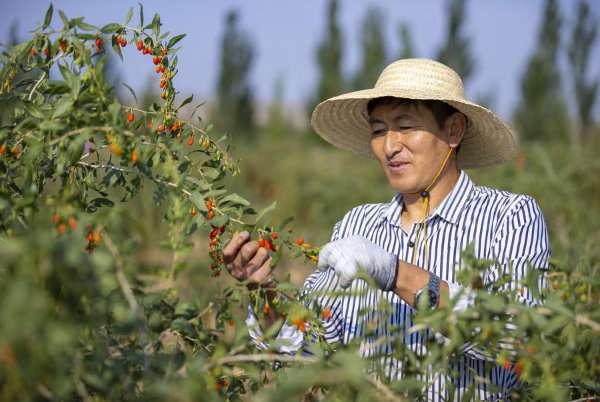
Récolte baie de goji à Ningxia

The Ningxia Hui Autonomous Region, and especially Zhongning and Zhongwei counties, constitute the authentic terroir for goji berries. Its sandy, alkaline soil is enriched by the alluvial deposits of the Yellow River. Furthermore, this region enjoys over 300 days of sunshine annually, significant day-night temperature variations, and a dry continental climate. All of these elements are ideal for goji berry cultivation.

The harvest season extends primarily from June to October. A first harvest in June-July yields the “summer fruits” (xià guǒ), the most prized for their generous size, pronounced sweetness, and high juice content. A second autumn harvest follows after a dormant period in August-September, allowing the shrub to replenish its strength.

The berries ripen in successive waves every 5 to 10 days. The fruit is harvested by hand as soon as it reaches a deep, vibrant red, becomes firm yet still tender to the touch, and the stem detaches easily and naturally.

The fruit is carefully sorted according to size and color, gently rinsed in clear water, and dried in the shade or at low temperatures to preserve its soft pulp and prevent mold or nutrient loss. This traditional process, unchanged for centuries, maintains the fruit’s nutritional value.

The breast milk

The breast milk

A Living Transformation of Blood

Mothers have been breastfeeding their children since the dawn of time. And yet, the formula milk industry has diverted many mothers from this essential practice for a child’s healthy development. Indeed, mothers transform their blood into a perfectly balanced food that the food industry has never been able to replicate.

Today, 47% of infants worldwide are exclusively breastfed. This means that 53% of babies receive formula or other supplements before the age of six months. However, breast milk, resulting from the living transformation of blood, constitutes the supremely harmonious food for infants. In fact, it is enriched with an adaptive intelligence that the child’s saliva helps to reveal. Formula milks cannot compete. Being inherently uniform, they cannot adapt to a child’s condition at any given moment.

The postpartum period according to TCM

According to the principles of the Huangdi Neijing, a classic of Traditional Chinese Medicine (TCM), breast milk (rǔzhī 乳汁) results from the transformation of Qi and Blood by the mother’s Spleen and Stomach. The Blood, nourished by the essences of food and postnatal Qi, becomes in the breastfeeding woman a warm, vibrant substance, perfectly suited to the still-weak Spleen of the infant.

As soon as the placenta is delivered, the postpartum period (产后期 chǎn hòu qī) begins. The mother’s body is then deficient in Qi and Blood. The pores of her skin and the meridians are more open. This makes her particularly vulnerable to external factors (cold, wind, overwork). This phase, often called the “golden month,” or Zuò Yuè Zi (坐月子), lasts for 30 to 40 days. During this phase, it is essential to nourish the Blood, strengthen the Spleen and Stomach, and restore internal harmony so that the transformation of Blood into breast milk occurs optimally.

As emphasized in the Fù Qīngzhǔ Nǚ Kē – as well as other texts – the immediate postpartum period is indeed marked by a significant consumption of Qi and Blood. “A woman’s milk comes from the transformation of Qi and Blood. Below, it becomes menstruation; above, it becomes milk,” states the Jǐngyuè Quánshū. Thus, milk and menstruation share the same source. According to the Tài Chǎn Xīn Fǎ: “In a postpartum woman, if the blood of the Chong and Ren organs is abundant and the Qi of the Spleen and Stomach is strong, then the milk production is sufficient.”

Diagnosis of imbalances

A lack of milk (quē rǔ) occurs primarily due to Qi/Blood deficiency or obstruction. According to clinical observations in Chinese hospitals, the causes include excessive blood loss, unresolved emotions, overconsumption of fatty foods, or a generally unbalanced lifestyle.

Points of differentiation:

  • Clear milk and soft, unswollen breasts often reflect Qi and Blood deficiency.
  • Thick milk and swollen, hard breasts often indicate Liver Qi stagnation or obstruction by phlegm-dampness.

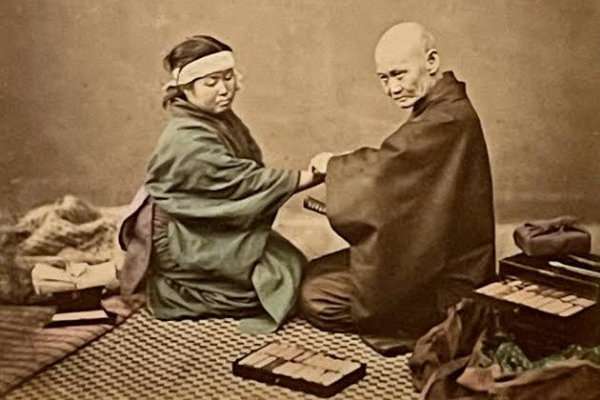
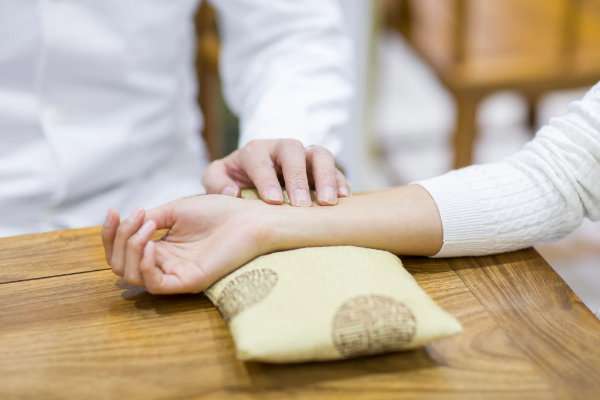
The practitioner notices a pale tongue and a thready pulse, typically indicating deficiency. The breast belongs to the Stomach Yang Ming (阳明), and the nipple to the Liver Jue Yin (厥阴). The Spleen-Stomach is the source of Qi and Blood generation, while the Liver ensures their free circulation.

bébé au sein

Solutions from Chinese medicine

Diet plays a central role during the “golden month.” Warm, mild, and easily digestible foods are favored, as they strengthen the Spleen and produce high-quality Blood.

For Qi and Blood deficiency, several specific formulas exist that tonify and aid in milk production, and promote the circulation of Liver Qi in cases of stagnation.

Practitioners recommend professional breast massage and acupuncture to restore the generation and smooth flow of Qi and Blood. Early initiation of breastfeeding naturally stimulates this process.

The emotional impact and the mother-child bond

The state of the mother’s Liver, Heart, and Spleen directly influences the quality of her milk. Anger or frustration leads to stagnation; calmness and kindness promote abundant and harmonious milk production. This transmission through milk strengthens the mother-child bond and cultivates inner balance from the earliest months.

Breast milk, derived from the mother’s subtle essences, is easily digested by the child’s immature Spleen. This supports the child’s harmonious development without overloading them.

By cultivating rest, a suitable diet, gentle Qi circulation, and emotional management through wu wei (spiritual guidance), the mother preserves the vital transformation of the Blood. This protects the child from early stagnation and lays the foundation for robust health.

This path, described in the classics and more relevant than ever, highlights the superiority of a vibrant and adaptive diet over uniform and impersonal preparations. She encourages every mother to find her inner balance in order to give her child the best possible start in life.

A diet adapted to lactation

bol de congee

Diet plays a vital role in the postpartum period, as discussed above. Here are some foods that support lactation.

  • Basic foods: rice, millet, oats, red dates (hóng zǎo), longans (lóng yǎn ròu), lotus seeds, and Chinese yam (shān yào).
  • Nourishing broths and soups: chicken or pig’s foot broth with mild herbs (Huáng Qí, Dāng Guī in appropriate quantities), carp or light-colored fish soup. Pig’s foot is particularly beneficial for nourishing the Blood and promoting circulation to the breasts.
  • Vegetables and roots: carrots, sweet potatoes, squash, turnips, and cooked spinach. Avoid raw and cold vegetables, which can harm the Spleen.
  • Suitable proteins: well-cooked eggs, poultry, a small amount of warm beef or lamb, and white fish.

Examples of preparations: rice congee with red dates and Huang Qi (a type of spice); pig’s foot soup with peanuts and black soybeans; warm infusion of fresh ginger and red dates.

During this period, it is necessary to avoid or limit certain foods:

  • raw foods, cold foods;
  • cold dairy products, iced drinks ;
  • chili peppers, coffee, alcohol, fried foods, and processed foods that generate Dampness or Heat, blocking milk production.

Dietary recommendations are always adapted to the individual’s constitution (tongue, pulse). In cases of Liver stasis related to tense emotions, foods that promote circulation, such as celery, are gradually added.

Libido and TCM

Libido and TCM

What a decreased sexual desire reveals

A decreased libido is a sign of physiological dysfunction according to Traditional Chinese Medicine (TCM). Indeed, sexual dysfunction is never an isolated phenomenon. It is a symptom of a systemic imbalance affecting the organs, primarily the Kidney, Liver, and Spleen.

Before considering a treatment strategy, it is essential to establish a clear clinical picture, particularly regarding the genital area. However, in clinical practice, special attention is paid to the Liver and its central role in the mechanics of sexual function. This is often where the initial blockage is located in sexually active patients.

The role of the liver

In Traditional Chinese Medicine (TCM), the Liver stores Blood and governs the tendons; indeed, the corpora cavernosa and the elastic genital tissues fall under the category of “tendons.” Liver Qi stasis, common in contexts of work-related stress or emotional conflict, prevents Blood from fully filling these structures. Clinically, this manifests as a dissociation between libido (which depends on the Heart and Kidney) and mechanical capacity: the patient feels desire, but Qi does not circulate to relax the vessels and allow blood flow.

If the Liver is full of Damp-Heat, the condition worsens with inflammation of the genital tract and impaired ejaculatory control. Understanding this liver dynamic is essential. However, it is also important to consider that when the patient is preoccupied and overthinks, the Spleen becomes the weak link in the energy chain.

The role of the spleen

The Spleen is the source of Qi and Blood production. Excessive thinking, worry, or intense intellectual work injures the Spleen’s Qi, leading to Qi Deficiency. This deficiency results in an inability to sustain sexual function due to a lack of energy.

Even more seriously, this deficiency leads to the pathological formation of internal Dampness. This dampness, heavy and turbid in nature, tends to descend toward the Lower Burner. It then obstructs the orifices and weighs down the genital area, resulting in a loss of sexual responsiveness.

In this case, it is recommended to tonify the Spleen first before addressing the Kidneys. Beyond these factors related to the production and circulation of Qi, it is important to consider heat states that can consume or extinguish the vital flame.

personne en surmenage mental

The role of the kidney

Distinguishing between Cold and Heat in the lower burner is crucial.

A Kidney Yang Deficiency manifests as a genuine internal Cold: here, the Jing (or life essence) is present but deprived of its thermal engine, the Fire of the “Gate of Life” (Ming Men). Without this transformative heat, the Jing remains inert, unable to vaporize into Qi to stimulate erection or warm the uterus.

Conversely, a Kidney Yin Deficiency reflects a depletion of the material and cooling aspect of the Jing. This loss of substance creates Empty Heat, a pathological heat that stems from a lack of Yin (fluids, blood, essence) and not from an excess of external fire (infection or inflammation). Indeed, this Yin is necessary to contain and anchor the Yang, allowing it to float upwards.

Thus, this Kidney Yin deficiency consumes the remaining fluids, causing paradoxical nervous excitability, premature ejaculation, and dryness of the mucous membranes. The practitioner will focus their treatment on preserving and properly mobilizing the Jing.

Physiological cycles according to age

This clinical presentation inevitably evolves with the natural decline of Kidney Jing with age, as described in the Su Wen. Before age 40, pathologies are predominantly Excess (Liver Qi Stasis, Damp-Heat) or mild relative Deficiencies; treatment focuses on dispersing, clearing, and regulating Qi without heavy tonification.

Between 40 and 50, a transitional period when Yang Ming Qi begins to decline, mixed presentations are often observed, combining the onset of Kidney Deficiency with persistent stasis. Therapy must then harmoniously combine moderate tonification and circulation. After age 50, Kidney Deficiency (Yin or Yang) becomes the dominant root syndrome, often complicated by secondary Blood Stasis. This is due to age-related circulatory slowing and a lack of Qi propulsion.

The treatment then requires substantial tonification of the Jing combined with gentle activation of the Blood. Beyond the age of 60, when the Jing is significantly diminished, the approach focuses exclusively on preservation, nourishing the Essence with precious substances and adjusting the Shen to facilitate the acceptance of a sexuality adapted to the new energetic capacities.

To care for one’s libido, one can also practice Qigong, as described in the box below.

The role of the kidney

Distinguishing between Cold and Heat in the lower burner is crucial.

A Kidney Yang Deficiency manifests as a genuine internal Cold: here, the Jing (or life essence) is present but deprived of its thermal engine, the Fire of the “Gate of Life” (Ming Men). Without this transformative heat, the Jing remains inert, unable to vaporize into Qi to stimulate erection or warm the uterus.

Conversely, a Kidney Yin Deficiency reflects a depletion of the material and cooling aspect of the Jing. This loss of substance creates Empty Heat, a pathological heat that stems from a lack of Yin (fluids, blood, essence) and not from an excess of external fire (infection or inflammation). Indeed, this Yin is necessary to contain and anchor the Yang, allowing it to float upwards.

Thus, this Kidney Yin deficiency consumes the remaining fluids, causing paradoxical nervous excitability, premature ejaculation, and dryness of the mucous membranes. The practitioner will focus their treatment on preserving and properly mobilizing the Jing.

Physiological cycles according to age

This clinical presentation inevitably evolves with the natural decline of Kidney Jing with age, as described in the Su Wen. Before age 40, pathologies are predominantly Excess (Liver Qi Stasis, Damp-Heat) or mild relative Deficiencies; treatment focuses on dispersing, clearing, and regulating Qi without heavy tonification.

Between 40 and 50, a transitional period when Yang Ming Qi begins to decline, mixed presentations are often observed, combining the onset of Kidney Deficiency with persistent stasis. Therapy must then harmoniously combine moderate tonification and circulation. After age 50, Kidney Deficiency (Yin or Yang) becomes the dominant root syndrome, often complicated by secondary Blood Stasis. This is due to age-related circulatory slowing and a lack of Qi propulsion.

The treatment then requires substantial tonification of the Jing combined with gentle activation of the Blood. Beyond the age of 60, when the Jing is significantly diminished, the approach focuses exclusively on preservation, nourishing the Essence with precious substances and adjusting the Shen to facilitate the acceptance of a sexuality adapted to the new energetic capacities.

To care for one’s libido, one can also practice Qigong, as described in the box below.

The role of the kidney

Distinguishing between Cold and Heat in the lower burner is crucial.

A Kidney Yang Deficiency manifests as a genuine internal Cold: here, the Jing (or life essence) is present but deprived of its thermal engine, the Fire of the “Gate of Life” (Ming Men). Without this transformative heat, the Jing remains inert, unable to vaporize into Qi to stimulate erection or warm the uterus.

Conversely, a Kidney Yin Deficiency reflects a depletion of the material and cooling aspect of the Jing. This loss of substance creates Empty Heat, a pathological heat that stems from a lack of Yin (fluids, blood, essence) and not from an excess of external fire (infection or inflammation). Indeed, this Yin is necessary to contain and anchor the Yang, allowing it to float upwards.

Thus, this Kidney Yin deficiency consumes the remaining fluids, causing paradoxical nervous excitability, premature ejaculation, and dryness of the mucous membranes. The practitioner will focus their treatment on preserving and properly mobilizing the Jing.

Physiological cycles according to age

This clinical presentation inevitably evolves with the natural decline of Kidney Jing with age, as described in the Su Wen. Before age 40, pathologies are predominantly Excess (Liver Qi Stasis, Damp-Heat) or mild relative Deficiencies; treatment focuses on dispersing, clearing, and regulating Qi without heavy tonification.

Between 40 and 50, a transitional period when Yang Ming Qi begins to decline, mixed presentations are often observed, combining the onset of Kidney Deficiency with persistent stasis. Therapy must then harmoniously combine moderate tonification and circulation. After age 50, Kidney Deficiency (Yin or Yang) becomes the dominant root syndrome, often complicated by secondary Blood Stasis. This is due to age-related circulatory slowing and a lack of Qi propulsion.

The treatment then requires substantial tonification of the Jing combined with gentle activation of the Blood. Beyond the age of 60, when the Jing is significantly diminished, the approach focuses exclusively on preservation, nourishing the Essence with precious substances and adjusting the Shen to facilitate the acceptance of a sexuality adapted to the new energetic capacities.

To care for one’s libido, one can also practice Qigong, as described in the box below.

Self-treatment through Qigong

Qi gong pour la libido

In Traditional Chinese Medicine, Qigong is not simply a supplement but constitutes approximately 40 to 50% of the sexual revitalization process, particularly after the age of 60. The remaining 50 to 60% is divided between diet, lifestyle, respecting the circadian rhythm, and, if necessary, appropriate herbal medicine.

Why this high percentage? Because after 60, the body assimilates nutrients less efficiently, and herbs act more slowly. Qigong is the only mechanism capable of actively generating Qi and circulating it rapidly to blocked areas. It acts as an internal engine that neither diet nor herbs alone can replace.

Training should not exceed 40% of your energy capacity. You should never sweat profusely or become breathless, because “sweat is the fluid of the Heart.” Thus, excessive sweating injures the Yang and disperses the Shen, negating sexual benefits.

Remember: consistency is more important than duration. It is better to practice for 20 minutes every day than for 2 hours once a week.