Mariéva Gruffat

Mariéva Gruffat

Passionate about osteopathy

Mariéva Gruffat grew up in an environment centered on respect for human beings and their interaction with nature. She learned to observe and listen at a very early age from her mother, a horticulture teacher. With her father, the director of an organic produce cooperative, she developed her sense of vital energies.

As she grew older, “helping people” became increasingly important to Mariéva. She therefore chose to pursue a bachelor’s degree in the social sector, which she supplemented with training in psychology. She understood the influence of emotions on behavior, posture, and sometimes even pain. She then sought a model of care that connected the body and mind.

Holistic medicine seemed most appropriate to her because it respects the patient’s integrity through the use of natural methods. She therefore chose osteopathy, a therapy that allows her to use her hands, already full of vital energy. When she was little, her mother told her she had magic fingers.

Training at the Andrew Taylor Still Academy in Lyon

Marius Gruffat studied at the Andrew Taylor Still Academy, an osteopathy school in Lyon, France, where the emphasis was on the humanistic aspect of osteopathy and individualized student support. A great adventure began for her! From her first year, she learned to develop the sensitivity of her hands through listening and touch. Little by little, she became familiar with the various theories of the human being and the cosmos.

She perfected her techniques and engaged in various clinical experiences both inside and outside of school. For example, she participated in sporting events with physical therapists; she also spent several months attending a class at the Lyon Conservatory of Music, working with a team of several osteopaths.

Her passion for her profession took her to Senegal for a humanitarian mission, where she met other osteopaths, who introduced her to other techniques that broadened her scope of practice.

Teamwork

At 26, she chose to continue her journey in Cambodia. “Practicing osteopathy in Cambodia is a way for me to combine my passion with discovering other cultures,” explains Mariéva, who enjoys combining travel and work.

“As an osteopathy student, I had a plan to work as part of a team,” explains Mariéva, who is now seeing this project come to fruition with the collaboration within Essence de Santé. There are many similarities between Chinese medicine and osteopathy. Both are holistic therapies aimed at restoring balance and restoring the body’s capacity for self-healing and full health.

What is osteopathy?

Séance d'osteopathie

Osteopathy is a therapeutic approach that helps the body regain its adaptive capacity and full mobility by acting on tissues (muscles, tendons, bones, ligaments, arteries, etc.) whose balance has been disrupted by accidents, physical, or psychological trauma.

Osteopathy has a very broad scope. It can treat lower back, neck, and sciatic pain, as well as digestive disorders such as chronic constipation; sleep disorders, anxiety, migraines, and sinusitis. And many more…

For athletes, musicians, or singers, regular follow-up can prevent injuries and relieve certain pains. Osteopathy is particularly useful for treating women during pregnancy, after childbirth, and for their infants.

Different techniques can be used depending on the differentiated needs of each person. “I always favor treatment that listens to the patient and uses tissue techniques, or more commonly known as gentle techniques without cracking,” explains Mariéva Gruffat.

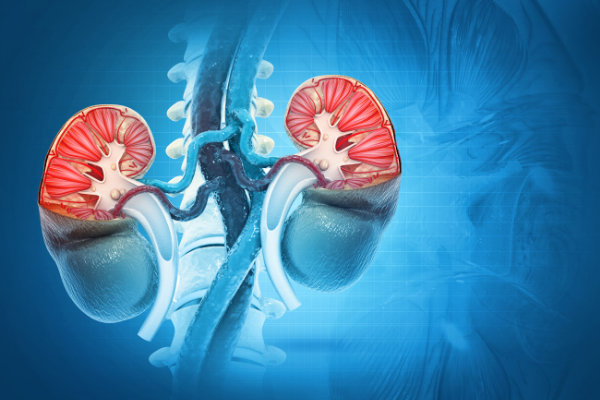
Danger for the kidneys!

Danger for the kidneys!

Many medications are harmful to the kidneys

Taking chemical medicine can cause many side effects and damage to certain organs such as kidneys.

In nearly 10% of acute renal failure there is taking drugs. The kidney functions of elimination of toxins from the blood, and of regulation of the acid-base metabolism of the body become brutally faulty result, water retention with risk of edema to the lungs, see in extreme cases an uremia, urea is retained in the blood (lethal). Traditional Chinese medicine invites us to reconsider our lifestyle and seek natural treatments instead of taking significant risks of intoxication. Chemical drugs do not treat the cause. They may quickly improve our condition, our pain but in no case will treat the cause.

Traditional Chinese medicine invites us to reconsider our lifestyle and to seek natural treatments instead of taking important risks of intoxication. Chemical drugs do not treat the cause. They may quickly improve our condition, decrease our pain, but in no way will they treat the cause of our ailments.

Here is a non-exhaustive list of medications that can generate harmful side effects to the kidneys. Generally speaking, it is prudent to limit their use over time, or even avoid them if possible by favoring 100% natural treatments.

  • Analgesics and non-steroidal anti-inflammatory drugs:

ibuprofen, naproxen, aceclofenac, acetaminophen …

  • Antirheumatic drugs:

infliximab (Remicade), chloroquine and hydroxychloroquine, lithium

  • Antibiotics:

methicillin, ciprofloxacin, vancomycin, sulfonamides.

  • Anticonvulsants:

Phenytoin (Dilantin) and trimethadione (Tridione) used in the treatment of seizures.

  • Antivirals:

Acyclovir (Zovirax) used to treat herpes, indinavir and tenofovir used to treat HIV

  • Antihypertensives:

Captopril (Capoten).

  • Chemotherapy treatments based on :

Interferons, pamidronate, cisplatin, carboplatin, cyclosporine, tacrolimus, quinine, mitomycin C, bevacizumab…Propylthiouracil

  • Antithyroid drugs:

Propylthiouracil

Eight causes of overweight

Eight causes of overweight

The origins of overweight according to TCM

According to Taoism—the science of life and philosophy underlying Chinese medicine—there is no difference between being overweight or underweight. Both reflect an imbalance. Each human being has their own ideal weight, relative to their height, body shape, and other factors. Above or below this weight, there is an imbalance.

But it is entirely possible to live in this modern society, to enjoy the benefits it provides without excess, if we know the causes of weight disorders and how to reverse them.

1. Self-poisoning

An acid-base (PH) imbalance in food can cause food to rot in the stomach before the body has even had a chance to digest and absorb its nutrients. This is a boon to harmful organisms, which will have feasted on it before we have nourished our cells. They will leave us with nothing but waste.

We understand what happened by smelling our bad breath, observing belching, flatulence, or stomach pains.

The result: our cells are not sufficiently nourished and lose their vitality. Furthermore, toxic residues cannot be eliminated and they poison the cells. A devitalized body seeks rest (no movement). We seek energy by eating again and again to compensate for the lack of life (QI or quantum information) in the food bolus.

2. Water Retention

The kidneys are the filters that separate residual water from the blood. The amount of water filtered therefore depends on the functioning of our kidneys. Normal kidneys can filter approximately one and a half liters of fluid per 24 hours. The kidneys’ filtering potential is proportional to their capacity.

Exceeding this average dose will force the body to eliminate it through sweating… if we exercise enough. Otherwise, water will be retained in the body’s tissues.

The tissues in an area swell to accommodate the new intake, and only a tiny fraction of the water will be eliminated through perspiration. The “stagnant” water remains and receives even more waste. This residual water, similar to urine, can stagnate for a very long time, gradually transforming into mucus. This mucus, or more solid residual water, suggests excess fat. This gelatin continues to harden and becomes cellulite.

However, cellulite cannot be eliminated through exercise. The only way to do so is to:

  • drink less, limiting daily intake to less than one and a half liters,
  • manage cellulite deposits, preferably in a sauna or steam bath to dilate pores and encourage sweating,
  • perform intensive heating massages to break up the deposits.

Please note: the daily intake (1.5 liters) includes the water contained in all the food eaten during the day.

If the body has cellulite, it is certain that the kidneys are not functioning properly. Cellulite can be identified by examining the areas around the buttocks, thighs, stomach, and upper arms.

Eating only salads, soups, and drinking fruit juices can be a deception in the quest for weight loss if our kidneys cannot properly filter all the water intake.

3. Fat Accumulation

Fats are related to liver, biliary, and pancreatic functions. Poisons and toxins that are present in solid form in our body need to be lubricated by fats to be eliminated.

An excessive amount of fat or fat that is difficult to break down will bind to the liver tissue, partially blocking the normal functioning of the liver. This partial blockage prevents more waste from being filtered and eliminated. As a result, the blood flow that supplies our brain poisons its cells, leading to disorders we call nervous and mental disorders, which are just some of the many harmful effects of poor liver function.

Fat can also accumulate in other parts of the body that receive less exercise, such as the abdomen and hips. When this happens, breathing becomes more labored, and can become shallow and rapid. This also affects the heart, causing palpitations (rapid and irregular heartbeats) and even fibrillation (uneven contraction of the heart).

All of these problems are caused by fat accumulation. Since we need fat in our diet, what type of fat should we eat?

Vegetable oils only (sesame oil is number 1)

4. Guilt-related nervousness

People lacking energy sits down to think about things they need to do. Of course, they don’t do them. Then they feel guilty for not having done what they thought they wanted to do; they then become more nervous, and reduce their physical activity, and eat to forget their frustration-related guilt.

Vicious circle of excessive weight gain. The more they feel bad, the more they eat and the harder it is to do anything. And they feel so even worse.

5. Sexual dissatisfaction

A woman who is not sexually satisfied becomes nervous. But what does man do in this area then? It is his responsibility to accompany him on this “interplanetary” journey until they return home.

  • He arouses his emotions so his sexual desire and ignites their spaceship
  • Then prepare the launch: it’s the pleasure
  • And comes the launch, the journey into space. It’s orgasm
  • Then the slow return to earth, the gentle crossing of the clouds that dissipate to settle together under the quilt. It’s the moment of shared tenderness.

But in reality most men only tell their partner about the second stage. The woman stuck halfway between the earth and the sky can not reach the last two stages even by masturbation. She falls asleep then unsatisfied and frustrated or nervous.

6. Excessive eating and drinking

For many people this is bad eating habits. Social conditioning or even neurotic manifestations. It is treated in session of deprogramming of the behaviors and by the acupuncture.

7. Physiological dysfunctions

In Chinese medicine, before attempting anything to lose weight, we first treat disorders related to energy imbalances.

8. Side effects of medications

Obesity can be a side effect of some medications. Acidic drugs cause a feeling of hunger. So increase of food. Medications like cortisone ravage the kidneys and other organs. If the kidneys are idling, there is usually water retention again; the process of gaining weight is again engaged.

.

The impact of being overweight on health

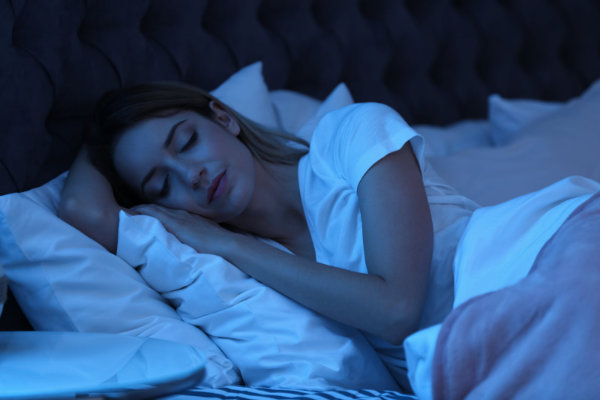
femme qui dort

Being overweight can have many repercussions on overall health.

Every inch of excess fat forces the body to create a network of extra blood vessels to feed that tissue, forcing the heart to work harder. When the heart is overworked, it loses its flexibility. As it deteriorates, it becomes more susceptible to germs, viruses, bacteria and other organisms that can attack it.

When a heart attack occurs, it causes the death of an area of ​​heart tissue that can not not work anymore. A second attack will damage another area of ​​the heart. This increases the effort to be made by the still healthy parts of the organ, which must work harder to maintain the activity of the circulatory system.

Fortunately, Chinese medicine can regenerate these dead cells. Gallstones are another consequence of obesity. Composed of hard and dry fat, they are very difficult to dissolve. A fragile pancreas, weakened by obesity, often leads to hypoglycemia or diabetes.

The efficiency of TCM

The efficiency of TCM

WHO lists diseases treated by acupuncture

The World Health Organization (WHO) has compiled a non-exhaustive list of 42 diseases treated effectively by acupuncture (published in June 1979).

Diseases of the upper respiratory tract

1. Acute (and chronic) sinusitis
2. Acute (and chronic) rhinitis
3. Flu
4. Acute (and chronic) tonsillitis

Diseases of the respiratory system

5. Acute (and chronic) tracheitis
6. Bronchial asthma

Eye diseases

7. Acute conjunctivitis
8. Central serous chorioretinopathy (CSRC)
9. Myopia
10. Cataract

Oral diseases

11. Odontalgia
12. Pain after dental extraction
13. Gingivitis
14. Acute and chronic laryngitis

Diseases of nervous, muscular and bone origin:

15. Headaches
16. Migraine
17. Trigeminal neuralgia
18. Peripheral facial paralysis
19. Post-traumatic paralysis
20. Polyneuritis
21. Acute anterior poliomyelitis
22. Meniere’s disease
23. Neurological bladder
24. Enuresis
25. Intercostal neuralgia
26. Shoulder-hand syndrome
27. Scapulohumeral periarthritis
28. Epicondylitis
29. Sciatica
30. Low back pain
31. Osteoarthritis

Diseases of the digestive system:

31. Achalasia of the esophagus and cardia
32. Hiccup
33. Gastric ptosis
34. Acute and chronic gastritis
35. Gastric hyperacidity
36. Acute duodenal ulcer
37. Chronic duodenal ulcer
38. Acute (and chronic) colitis
39. Acute (and chronic) bacillary dysentery
40. Constipation
41. Diarrhea
42. Paralytic ileus

How TCM works

How TCM works

Pathologies seen by Chinese Medicine

Traditional Chinese Medicine (TCM) takes a different look at our pathologies. It seeks their origins in order to treat them by restoring balance, the prerequisite for health.

As a preamble, let’s recall a fundamental principle: no doctor cures their patient! It is the patient who is the architect of their own healing, with the help of their doctor, who practices their art through various techniques.

In this spirit, the Chinese doctor is interested in the patient’s health and not their illness. They will diagnose imbalances, potential factors of illness, and use various tools (acupuncture, tuina massage, dietetics, herbal medicine, etc.) to restore the patient’s overall balance, the prerequisite for health.

However, if we choose to talk about illnesses, Traditional Chinese Medicine (TCM) treats all illnesses. In some cases of advanced illness, TCM can improve an individual’s underlying condition and their general state of health. TCM can also seriously delay the progression of a serious illness. It will finally have the great merit of limiting the destructive side effects generated by chemical drugs. A medicine that is 5,000 years old.

A specific diagnosis

Since June 1979, the WHO (World Health Organization) has recognized more than forty-two diseases that can be treated with acupuncture. This list is, of course, exhaustive, given the effectiveness and power of Chinese Medicine, which has been proven for over 5,000 years. However, it is encouraging that the WHO has finally recognized TCM as a medicine in its own right. It is validated in its status as traditional medicine, not complementary or alternative medicine (see WHO document).

Diagnosis in TCM is different from diagnosis in Western medicine. It is therefore misleading to try to translate Western terms to find their correspondence in Chinese medicine.

To understand the difference between the approaches of these two medicines, let’s look at two types of images: the first is a photograph, the second is a film.

Allopathic medicine will observe a photograph, that is, an apparent situation at a given time characterized by one or more symptoms. It will make its diagnosis based on what it can observe. Of course, since what is not in the photo cannot be taken into account, being invisible!

TCM treats imbalances, the source of disease

Chinese medicine, on the other hand, observes a film, a moving image. During the diagnosis, TCM gathers information about the patient’s past, their current health, of course, but also about potential health changes. It thus observes the film of life. Through its holistic approach, it observes energetic imbalances and their impact on the patient’s physical, emotional, and psychological dimensions. Thus, Chinese medicine can treat imbalances before they become symptoms or illnesses.

Who would think of comparing cinema and photography? Even if it is possible to take a still from a film!…

Thanks to its holistic study of the human being, TCM does more than treat symptoms; it targets the root cause of the illness. It takes into account all aspects (emotional, physical, and psychological) of the patient.

Finally, TCM is a natural medicine, which does not use any chemical drugs and therefore does not induce any side effects in the patient. This is no small advantage!

To conclude, a little common sense! Would Chinese medicine, one of the oldest in the world, have survived if it hadn’t proven its effectiveness and provided solutions to all the ills of its people?