The joy
Joy is associated with the fire element in TCM
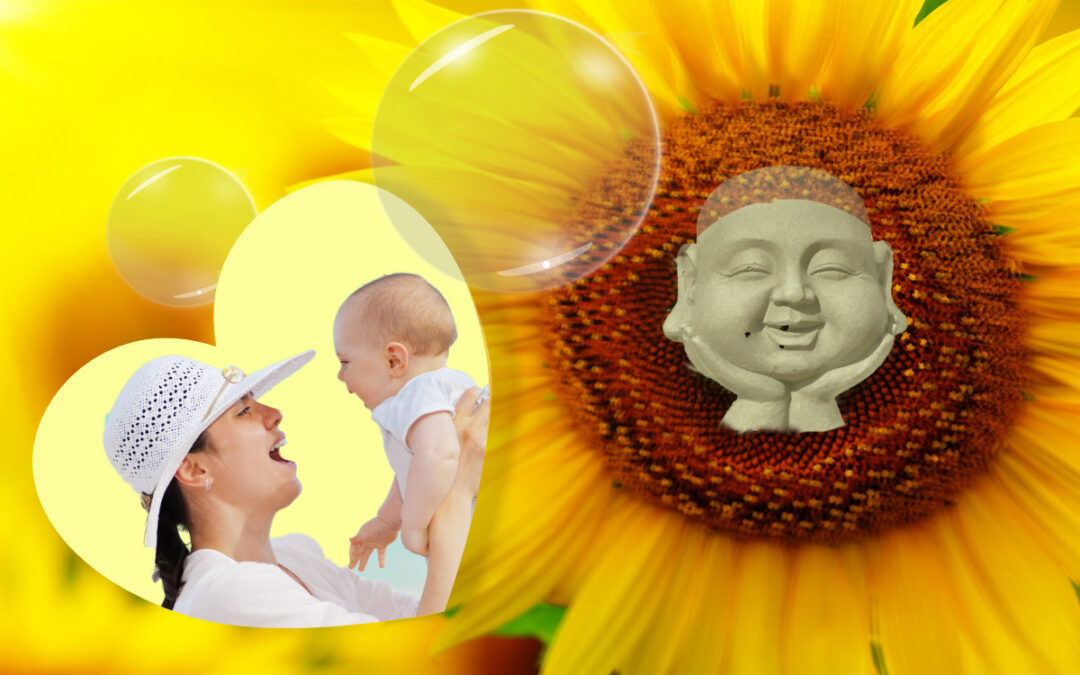
Joy is the emotion linked to the fire element and to the Heart organ in Traditional Chinese Medicine (TCM). Unlike the four other emotions listed in Chinese medicine (fear, anger, sadness, worry), joy is an emotion that we enjoy feeling. It is perceived as positive, and it is! Indeed, feeling joy and expressing it is natural; it is a sign of good Heart health.
In TCM, the Heart occupies a prominent place in overall balance, since it is considered the “emperor of organs.” The Heart is therefore responsible for the overall health of the individual.
Joy is only considered pathological when it is excessive, that is, when the person is in a state of elation, frenzy, agitated, euphoric, or laughing very loudly all the time. However, this is not the major cause of Heart imbalance.
The heart sensitive to emotional excesses
The heart is generally an organ sensitive to emotional excesses.
Sadness, although associated with the Lungs in the Five Elements theory, significantly affects Heart Qi. The Lungs and Heart are closely linked in that one governs Qi and the other Blood, and both are interdependent. Sadness will create a deficiency of Lung Qi, which, in turn, will create a deficiency of Heart Qi.
Similarly, anger, which in TCM includes frustration, resentment, and even depression, will first affect the Liver, and indirectly the Heart. Indeed, anger causes a rise in Liver Yang (Liver Fire), which can transform into Heart Fire.
Functions of the Heart in TCM
The Heart pumps blood. If Heart Qi is abundant, the heart will function at a normal rhythm, properly transporting blood through the blood vessels. The pulse will be regular and strong, and the complexion rosy and luminous.
Its function is to govern the blood and blood vessels.
But one of the essential functions of the Heart is to house the Shen. The Shen represents the spirit that gives an individual their identity, and more broadly, it represents the overall vitality of that individual. It governs the energetic balance of all the organs. The Heart also houses mental activity, memory, consciousness, thoughts, and sleep.
It controls perspiration. People who sweat abnormally often have an energetic imbalance in this organ.
The Heart opens to the tongue. In TCM, the tongue and the Heart are connected. A person experiencing a fire of the Heart will be particularly voluble. Conversely, stuttering, difficulty or weakness of speech, or even aphasia are results of a deficiency of the heart.
Pathological tables of the heart
If the Heart Qi is deficient, blood flow will be hampered. The pulse will be weak, the person will be pale, and their tongue will be pale and white. They may experience palpitations, fatigue, and shortness of breath upon exertion.
When there is an excess of yang energy in the Heart, we speak of “Heart Fire.” The mind is restless, the individual suffers from insomnia, their pulse is rapid, and their tongue is red. The circulation of Qi is slowed, and the Heart is affected. This will result in a red face, heavy sweating, and high blood pressure.
Joy allows for the proper circulation of Qi and Blood, relaxes the mind, thus promoting the inner peace necessary for Shen activity.
The concept of Shen in TCM

Shen, a fundamental concept in TCM, is related to the heart. It is the vital force that animates the body and mind. The quality of Shen depends on the balance of the heart. And if Shen is strong, the body is strong.
All emotional disorders affect the heart and therefore Shen. It is difficult for many of our patients in these troubled times to find joy. Therefore, it is not uncommon for us to treat imbalances of the heart.
Since the heart is an organ particularly sensitive to stress and emotional excess, cultivating a “good heart” requires cultivating a calm and serene mind. This is why, in addition to acupuncture and pharmacopoeia, we offer teachings in practices such as meditation, qigong, and tai chi.
Our experience and our fifteen years of practice in TCM have allowed us to verify the positive impact of these practices on our Shen.
And since the heart connects us to others, practicing altruism and kindness are highly recommended!