I am ill, what should I do?

I am ill, what should I do?

Illness as a warning signal

First of all, it’s important to understand what illness is. In fact, what we call illness in all traditional medicine, since Hippocrates, is an alarm sent by the body. Most of us experience these moments of alarm as tragedies. As a result, the tendency is to rush to medication to put an end to the disturbing symptoms.

However, if we regard this illness as a warning, then silencing the signal does not tell us anything about the disease or its origin.

What if this illness were the expression of a deeper, as yet unexpressed evil? This pain, which takes the form of physical ailments, is often psycho-emotional in nature. So, when we fail to express what ails us, or when we lead a life that doesn’t suit us, the body will manifest itself through pain, or even illness. And the longer we silence this signal, without trying to decode it, the greater the risk of serious pathologies appearing.

Illness invites us to listen to what our body wants to express!

First emergency

Although subjective, pain—like certain other disorders—is a painful and even unbearable experience for some people. So when pain is intense, it is understandable to want to get rid of it. The quickest way to do this is to take painkillers. However, these medications can only be taken for very short periods of time, as they may become ineffective or even cause side effects or dependence.

La colere cause interne de maladie

To avoid this, there are natural alternatives. The treatment of acute and chronic pain most often requires multidisciplinary expertise. Acupuncture, touch techniques, massage, hypnosis, relaxation techniques, and sophrology produce good results. Homeopathy remains a preferred alternative for some.

Calm after the storm

Once the pain has subsided and calm has returned, it is time to investigate. What is happening to me? Why have I reached this stage, etc.? In some cases, the answer may come to mind very quickly. In others, particularly in the case of serious or chronic conditions, this period of introspection will take longer.

You will agree that these questions require time and calm! So let’s start by looking at rest.

Resting

Generally speaking, the onset of illness invites us first and foremost to stop and rest. Whatever its origin, the body signals that it needs to restore itself, to recover its energy. For this energy is the guarantee of our ability to heal.

In Traditional Chinese Medicine (TCM), rest belongs to the Yin movement. In periods of rest, and particularly during sleep, activity stops, body temperature drops and the mind finds rest, thus replenishing itself. Energy movements become more fluid.

An adapted lifestyle

Many factors can influence our daily energy: infectious disease, sleep disorders, overwork and, of course, repeated and unmanaged stress.

Not forgetting, of course, an unbalanced or unhealthy diet, as well as excessive alcohol or caffeine consumption. Overeating is also to be avoided. They cause fatigue due to the digestion process: the transformation of food into nutrients by the body consumes enormous energy resources.

A lighter diet

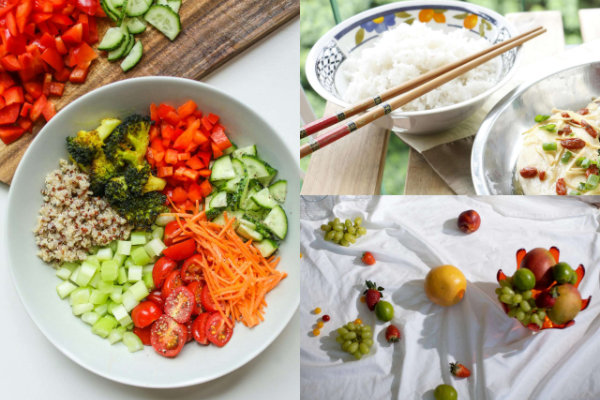
his is especially true when we’re ill. Just as we need to rest, we need to adapt our diet. And while adapting may seem complicated to many people, there’s an extremely simple technique that’s particularly well-suited to alarm situations (illness): fasting.

Fasting has existed in every culture in the world. Today, it is very fashionable in the West and an integral part of Chinese medicine. Even science is discovering that its effects are miraculous. In fact, regular fasting is an excellent tool for preventing disease.

Traditional Chinese Medicine (TCM) has been using fasting for thousands of years to treat specific illnesses such as digestive disorders, mental disorders and so on.

Fasting is called Bìgǔ in Chinese: Bì (辟) means “to avoid” and Gǔ (谷) means “grain.” Quite simply, it means avoiding eating. Bìgǔ fasting has existed in China for 5,000 years. It is one of the tools of Chinese medicine and is also found in Daoism, Confucianism, and Buddhism.

The goal of Chinese spirituality—and all spiritual paths—is the purification of the body, mind, and soul. Thus, fasting requires rigorous work against the ego, which is responsible for bringing out the “inner demons.” But its results on health are spectacular.

The Chinese have drawn the following maxims from their observations:

“Those who eat meat are courageous and fierce;
Those who eat grains are wise and clever (of mind);
Those who eat Qi have clear minds and longevity;
Those who do not eat do not die and become spirits/immortals.”

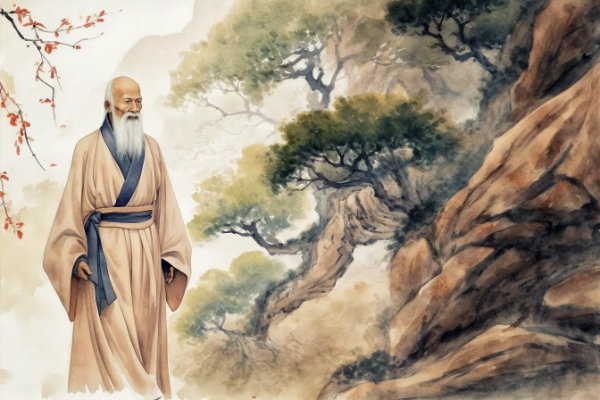
Lao-Tseu

In light of these maxims, it is easy to understand the importance of seriously lightening our bodies in general, and more particularly when our bodies cry out in pain. We can therefore stop eating for a few days. For those who find this difficult, it is important to eliminate at least all sugars and foods that are difficult to digest, and to reduce the quantity of food we eat.

It is advisable to eat a few vegetables, or even some fruit, preferably, and if possible only once a day. Then, as your health improves, you can gradually return to a more normal diet.

By fasting, either completely or partially, we leave as much of our energy as possible available to our body to allow it to repair itself. This is because it is not taken up by the digestive process.

Time for introspection

The other advantage of these fasting periods is that an empty stomach is also an invitation to inner listening or introspection. Fasting increases our capacity for perception, and makes us more available to ourselves. As a result, we’re more likely to understand the origin of the signal that is our illness.

We’ll then be able to listen more closely to our emotions, an essential step. In TCM, body and mind are closely linked. Emotions are directly linked to the functioning of our organs, and therefore to our energy balance. Good energy balance means good health. Without going into detail – which you can explore here – you’ll find an overview in the box below.

Seeing illness as a signal enables us to adopt a different attitude towards it. So, instead of being a victim, we become actors in our own healing. And, even if we have to seek the help of a therapist, our healing will be all the more effective and profound.

Listening to our emotions

Poorly managed emotions, as well as feelings linked to wounds such as rejection, guilt, abandonment, etc., have a major impact on our health. Here are a few examples as seen by TCM.

Stress and frustration can obstruct the energy of the Liver meridian. Liver energy stagnation means that it can no longer circulate freely. We then diagnose Liver Qi stagnation or Liver overpressure. This is the source of many pathologies, and in particular of many depressions according to TCM.

Anxiety and worry, for their part, can damage the energy of the Spleen meridian. Weak Spleen energy can lead to obstruction of energy circulation through lack of strength. The Spleen meridian is also a source of Blood production. In traditional Chinese medicine, Blood belongs to Yin. It is needed to anchor spirit and Yang in the body.

For TCM, this means that every emotion can influence the quantity of energy or the circulation of energy in the various acupuncture meridians. Conversely, a disorder in a meridian will also make us more sensitive to emotions.

Causes of illness

Causes of illness

Internal and external causes

Chinese medicine is known as traditional medicine. Like all traditional medicine, it seeks, through its diagnosis, to identify the cause(s) of a pathology.

According to Traditional Chinese Medicine (TCM), health is the result of a healthy overall energy balance. Illness occurs when this balance is disrupted. TCM then focuses on re-establishing this balance.

Its diagnosis therefore focuses on the balance between organ health (yin) and organ function (yang). It also determines energy imbalances according to the theory of the five elements, each organ being linked to one of these five elements, or five energies.

TCM classifies the causes of illness into two main categories:

  • internal causes,
  • external causes.

    Internal causes

    One of the main factors of internal origin is our emotional state. Emotions and the way we experience them affect our organs. In this way, emotions experienced excessively, for too long, or on the contrary totally repressed, will cause energy imbalances over time.

    Here’s an overview of how each emotion, linked in TCM to an organ and an element, impacts our health.

    La colere cause interne de maladie
    • Excessive anger, frustration, and repressed anger can damage the liver by hindering the free flow of energy in the body. This stagnation of energy can cause pain, muscle tension, headaches, or digestive problems.
    • Hysteria, excitement, elation, and excessive laughter can cause an imbalance in the heart and disrupt sleep and even speech.
    • Obsessive thoughts, mental rumination, and excessive intellectual work can unbalance the energy of the spleen. This can lead to digestive problems, dizziness, a feeling of mental fogginess, fatigue upon waking even after a long night’s sleep, and, for women, menstrual disorders.
    • Sadness, regret, depression, and melancholy affect the lungs and the diffusion of energy throughout the body, which can result in spontaneous sweating, dyspnea, and a weak voice.
    • Fear, phobias, apprehension, and paranoia will damage the kidneys and can cause chronic low back pain, incontinence, night sweats, and sometimes tinnitus.

    We will not go into further detail here about the internal causes of disease in order to focus on the external causes, which are the five climatic energies. There are, of course, other factors that can trigger disease apart from internal and external causes.

    External causes

    Everyone has heard of the five elements (or five energies), but few know that this is a model or template that can be applied to several areas. Thus, in TCM, the external causes of disease are linked to abnormal climatic variations, which are then perceived as pathogenic factors. These are likely to invade the body and disrupt the Yin/Yang balance, thus generating a large number of diseases.

    These climatic anomalies, or climatic perversions, are classified according to the theory of the five elements into five climatic energies, each linked to an element according to the table below.

        • Wood: wind
        • Fire: heat wave
        • Earth: humidity
        • Metal: drought
        • Water: cold

    Wind

    Wind is a pathogenic factor in itself; it is Yang. It induces movement and causes other climatic phenomena. It spreads and displaces pathogenic elements.

    The wind we are referring to here is, of course, the climatic factor, not the internal wind, which is a concept specific to TCM and will not be discussed here.

    Femme avec parapluie renversé par le vent

    Heatwave

    Heatstroke is Yang in nature. It is extremely penetrating. It causes fire and also dryness. It penetrates the body following prolonged exposure to intense heat (sauna, sun). It causes sweating, agitation, thirst, and fatigue. When it penetrates deeply, it can cause urinary tract infections. Heat waves cause sunstroke or heatstroke.

    When this heat comes from the transformation of pathogenic factors that stagnate in the body, it turns into fire. Fire is an aggravation of internal heat.

    Dryness

    Dryness is Yang in nature and damages the blood, drying up bodily fluids and causing dehydration. It is caused either by a dry climate or by dehydrating phenomena (diarrhea, heavy sweating, repeated vomiting).

    If the lungs are affected, a dry cough will develop. If the intestines are affected, some form of constipation will appear.

    Cold

    External cold penetrates the body following prolonged exposure to cold, either by staying in cold places for long periods of time or by frequently eating cold foods.

    When there is a lot of cold, Yin becomes abundant, and too much Yin tends to harm Yang. When cold blocks the dynamism of Yang, it can no longer perform its functions of managing Qi and providing warmth, leading to the onset of illnesses characterized by a decrease in the body’s activity: reduced vitality, exhaustion, and sensitivity to cold.

    This can lead to joint pain, muscle aches, back stiffness, intestinal pain, and diarrhea. Other symptoms include lumbago and stomach flu.

    Humidity

    TCM considers Dampness to be heavy and sticky. It tends to sink or stick close to the ground, and is difficult to get rid of. We readily associate it with something improper or murky… fungi, molds and algae thrive in damp environments. It is on the basis of these particular characteristics of Humidity that TCM qualifies different states of the organism.

    Humidity is of the Yin type, and therefore injures the body’s Yang energy. It is caused by exposure to a humid climate. Humidity hinders movement, slowing everything down.

    It causes a feeling of heaviness, general fatigue, joint pain with swelling, the sensation of a crowded head, abdominal distension and loose stools.

    Humidity often affects the lower part of the body and the pelvis (leucorrhoea may appear). In extreme cases, moisture in the body is transformed into mucus, which can cause cysts, tumors or circulatory disorders (excess cholesterol in the blood). The spleen is also affected. Moisture damages the spleen, which is no longer able to perform its transformative function properly.

    Resisting climate perverts

    Of course, these climatic perversions do not affect individuals in the same way. An individual’s ability to resist these perversions depends on his or her capacity to resist, and therefore on the strength of his or her Zheng Qi. Zheng Qi can be translated as Straight Qi or Correct Qi.

    Zheng Qi is thus the synthesis of the vital Qi that ensure the proper functioning of the organs, Qi and Blood, as well as the Yin/Yang balance and harmony between the body and its environment.

    This is why the strength of Zheng Qi will determine whether or not an individual falls ill. The climatic perverse is merely the triggering factor.

    Fatigue according to the 5 elements

    In TCM, the 5-element theory is applied in various fields. It also applies to fatigue. Before we reach the point of exhaustion or “burn-out”, let’s take a look at our state in terms of the 5 energies.

    Wood-type fatigue

    Physical signs: excessive sighing, premenstrual syndrome, irregular periods, lump in the throat, tendon tension…

    Emotional state: irritable, moody, impatient, too many expectations of self, perceived as “aggressive” OR as a doormat.

    Causes: constant stress, feeling trapped, tight schedules, frustration, agitating environmental factors (too much noise, frequent disagreements, etc.).

    Fire-type fatigue

    Physical signs: restless sleep, memory loss, flushed feeling, spontaneous sweating, heart palpitations.

    Emotional state: controlling, feelings of rage, excessive vulnerability, significant lack of joy.

    Causes: lack of intimacy with self, prolonged exposure to other people’s negativity.

    Earth-type fatigue

    Physical signs: tiredness after meals, loose stools, bloating, lazy legs

    Emotional state: unmet needs, feeling misunderstood, longing for things other than those already acquired, jealousy.

    Causes: overthinking, sitting too long or too often, poor diet.

    Metal-type fatigue

    Physical signs: tired after long talks, shortness of breath, sweats easily, tired after exercise, feels cold, gets sick easily, chronic cough, prone to allergies, chronic fatigue, eczema.

    Emotional state: overly critical, hard on self or others, demanding precision/overly perfectionist, “unfair”, sense of loss and grief, quickly cuts ties, holds grudges.

    Causes: very frequent use of voice (e.g. teachers), untreated grief, hereditary factors, lower gastrointestinal problems.

    Water-type fatigue

    Physical signs: adrenal fatigue, hair loss, low back pain, cold limbs, low libido, erectile dysfunction, fertility problems, urinary frequency.

    Emotional state: difficulty staying still, “too tired”, restless, anxious, fearful, worried about money, overly tolerant of risk OR frozen in fear.

    Causes: prolonged periods of overwork, persistent anxiety/fear.

    Bā Duàn Jǐn : Supporting the sky

    Bā Duàn Jǐn : Supporting the sky

    Eight Pieces of Brocade Qi Gong, No. 1

    This article is the first in a series of eight, each dealing with an exercise from the suite known as Ba Duan Jin or Eight Pieces of Brocade, one of the best-known and oldest forms of qi gong (see box below).

    The form of Ba Duan Jin we teach is widely practised around the world today, and is accessible to all ages. It is an excellent complement to our therapies. Practised every day, it significantly improves health. To begin with, we recommend practising with a Qi gong master to avoid any energy imbalance. Qi gong is extremely powerful.

    雙手托天 – Supporting the Sky with Your Hands

    The first exercise of the Eight Pieces of Brocade is called Liǎngshǒu tuō tiān lǐ Sān Jiāo (两手托天立三交), which literally means “Supporting the Sky with Your Hands Regulates the Three Heaters.”

    This exercise improves the overall circulation of Qi. Raising the arms helps to unblock the meridians and promotes a more fluid circulation of vital energy, which in turn contributes to improved health.

    Trois foyers

    By focusing on raising the arms, we open and stimulate the San Jiao (Three Heaters) meridian. Thanks to its action on this meridian, this exercise normalizes the functions of respiration, digestion, and elimination.

    The three heaters, or three burners, that give this meridian its name are:

    • The upper heater, located in the rib cage, which includes the Heart and Lungs;
    • The middle heater, located between the diaphragm and the navel, which includes the spleen and stomach;
    • The lower heater, located between the navel and the pubis, which includes the liver, kidneys, large intestine, small intestine, and bladder.

    Health benefits

    Here are some of the medical aspects of this practice. Qi gong in general relieves physical fatigue and soothes the mind.

    • Strengthening arms and shoulders:
      By regularly raising the arms, this practice can help strengthen the muscles of the arms and shoulders, which can be beneficial for people suffering from pain or stiffness in these areas.
    • Relaxation and stress reduction:
      Qi Gong is known for its soothing effects on the nervous system. Controlled breathing and slow movements promote relaxation, which can help reduce stress and anxiety.
    • Improved posture and alignment:
      This form of Qi Gong encourages upright posture and correct body alignment, helping to alleviate postural problems and associated pain. For example, it can help correct dorsal kyphosis.
    • Stimulation of the lymphatic system:
      The gentle, slow movements of Qi Gong stimulate the lymphatic system, promoting the elimination of toxins and waste products from the body.
    • Promotes blood circulation:
      By increasing the activity of the arms and shoulders, this form of Qi Gong can also contribute to better blood circulation.

    “Supporting the Sky”: practice

    Pratique 8 pieces -Soutenir le ciel

    Preparation:

    We recommend starting with simple movements and practising them regularly to learn to feel the flow of qi circulating in the body.

    To practice Qi Gong well, you need to be regular, relaxed and not block the Qi. Breathing is slow, regular and abdominal. Loose-fitting clothing is recommended.

    Legs slightly apart. Knees unclenched, arms hanging at your sides. The head is straight, in line with the trunk. This means that my posture allows me to remain relaxed on my feet, with the weight of my body distributed over the whole foot. I’m neither slightly forward nor slightly back. The gaze is frank and looks straight ahead, and far away (even if I’m in front of a wall).

    Exercise:

    1. Hands cupped below the navel as you exhale.
    2. In a long, very slow inhale, the hands, palms up, rise in an extremely relaxed manner, as if they were being sucked upwards by themselves.
    3. Once at heart level, the palms turn to continue their upward ascent, as if pushing the sky. The shoulders remain relaxed.
    4. The gaze follows the palms without ever tilting the head up or down. Only the eyes move.
    5. Finally, at the end of the inhale, the hands support the sky, the arms remain slightly bent. Then the hands are reversed again, as if to bring Heaven’s energy back to the abdomen. All in a delicate, harmonious movement.
    6. Now begins a long, slow descent towards the abdomen, punctuated by the exhalation.
    7. Once again below the navel, the palms turn harmoniously to begin the next cycle. At no point is there a break, or a change of rhythm.

    At the beginning, the practitioner can practice the ascent of the arms on an inhale plus exhale, and the same for the descent. Over time, the practitioner slows down his breathing and thus the rhythm of his routine. In Qi gong, slowness and harmony are the key to efficiency!

    Ba Duan Jin, or the Eight Pieces of Brocade

    Ba Duan Jin is one of the oldest and best-known forms of qigong. It consists of a series of eight exercises. There are around a hundred different versions, including the one practiced at the Shaolin Temple. Ba Duan Jin is also known as the Eight Pieces of Brocade, in reference to the long brocade coats—a silk fabric embellished with gold and silver embroidery—worn by dignitaries of the Chinese empire. These coats are a symbol of good health.

    The exact origin of Ba Duan Jin is unknown, although legend has it that Bodhidharma developed it in the 5th century at the Shaolin Monastery. The northern form is known to have been practiced by the famous general, calligrapher, and poet Yue Fei (岳飛), who lived in the 12th century during the Song Dynasty. He developed the Eight Pieces of Brocade to strengthen the will, courage, and health of his soldiers. This practice improves immunity and develops inner calm and the strength to act in life. The horse stance, which is found several times in Ba Duan Jin, is particularly conducive to developing this strength, self-awareness, and determination.

    Dietetics in Chinese medicine

    Dietetics in Chinese medicine

    Balancing vital principles through food

    Chinese dietetics is an essential component of traditional Chinese medicine (TCM). It is based on thousands of years of observation and understanding of the relationship between food and health. “Let your food be your medicine”, said Hippocrates, the founding father of Western medicine, in the same spirit as Huang Di, one of the major figures of Traditional Chinese Medicine.

    The overall aim of Chinese dietetics is to ensure the proper functioning of the Jing. Jing is the basic energy inherent in every individual, and is considered one of the “Three Treasures” of Chinese medicine, along with Qi and Shen.

    As a reminder, yin represents tissues and organs. If it is deficient, symptoms such as dryness, the production of abnormal internal heat and sleep disturbances may result. Yang, on the other hand, refers to the functioning of organs and organic systems such as digestion… Insufficient yang can lead to symptoms such as diarrhoea, fatigue and even depression.

    Food should therefore be as alive as possible, at the peak of its vitality, its “Jing.” It is this Jing from plants that will nourish our own vitality, our own “Jing.”

    In Chinese culture, food is valued for its energy content. It is a gift from Nature, which must nourish our physical needs, but also our mental and spiritual needs. “To eat is to reach Heaven,” says a Chinese proverb.

    Food should be as unprocessed and natural as possible, so that it can fill us with its vitality and make us even more alive.

    Chinese dietetics follows the founding principles of Chinese medicine. It aims to readjust the energy balance of human beings according to their constitution and health.

    It is a common-sense approach to diet that encourages us to be in harmony with nature by consuming fresh, locally grown, seasonal produce.

    The essence of the food and drink consumed generates Qi, which supplements the “acquired” Jing. For Qi to sufficiently supplement Jing, it is important that meals are tailored to each individual’s specific energy needs at any given time.

    Food classification

    Dans la diététique chinoise, les aliments sont classés, entre autres, par saveur et nature en relation avec la théorie des cinq éléments. Les cinq éléments sont représentés par leur couleur ci-dessous : rouge pour le feu, jaune pour la terre, gris pour le métal, bleu pour l’eau et vert pour le bois.

    Cette classification nous permet de comprendre que l’être humain, pour préserver sa santé, a besoin d’une nourriture la plus variée et la plus vivante possible comme évoqué ci-dessus à propos du Jing.

    FIRE

    • Flavor: bitter.
      Bitter foods nourish the Heart and eliminate heat. They are often used to calm excess heat in the body.
    • Nature: warm.
      Warm foods increase body heat. They are often used to treat internal cold.

      EARTH

      • Flavor: sweet.
        Sweet foods nourish the spleen and stomach. They are energizing and aid digestion.
      • Nature: neutral.
        Sweet foods have no major thermal effect.

      METAL

      • Flavor: pungent.
        Pungent foods stimulate the circulation of energy (qi) and blood. They are beneficial for the Lung and Large Intestine.
      • Nature: cold.
        Cold foods eliminate body heat and reduce inflammation. They are useful in cases of excess heat.

        WATER

        • Flavor: salty.
          Salty foods nourish the kidneys and soften the intestines. They can also promote the elimination of moisture.
        • Nature: cool.
          Cool foods have a refreshing effect, but less intense than cold foods. They are balancing.

        WOOD

        • Flavor: sour.
          Sour-flavored foods have a tonic effect on the liver. They can stimulate the appetite and promote blood circulation.
        • Nature: warm.
          Warm foods strengthen Qi (vital energy) and promote digestion. They have a balancing effect.

        Digestion or Xiǎo Huà

        The food we eat is processed so that the body can extract the nutrients it needs. Xiǎo huà, digestion, literally means to disperse and transform. Food and liquids consumed are broken down and then transformed through the digestive process. Like a cauldron (the stomach), food and drink are first fermented, cooked, then broken down and transformed into food pulp.

        This process occurs under the action of food fire, which transforms food and drink to produce Qi.

        To do this, the spleen and stomach work together in interaction to ensure the digestion process. More precisely, it is under the impulse of the spleen, associated with the energy of the kidneys, that our “cauldron” separates the ‘clear’ from the “turbid.”

        The clear corresponds to the nutritive energy of food, which serves as the basic material for the production of energy and blood in the body. The turbid represents the unassimilable substances that are eliminated as waste (in urine and stools).

        Food full of vitality

        Food is therefore considered by TCM to be the primary remedy. Along with breathing, it is the main source of our energy. Poor nutrition leads to low-quality energy, which is harmful to health and vitality. In Chinese tradition, foods are considered according to their impact on the body.

        In principle, the plate should include all five flavors and five colors (with one dominant color depending on the season).

        Each flavor nourishes a specific organ. Dietetics can therefore be used to treat patients by guiding them towards foods that help restore their energy balance.

        If you are in good health, and in order to stay that way, make sure your diet includes a variety of flavors (sour, bitter, sweet, spicy, salty) and types (hot, cold, fresh, warm, neutral) to maintain energy harmony in the body.

        The table above helps us understand the mechanism of Chinese dietetics, which classifies foods to be consumed according to their color, nature, and flavor, based on the five elements.

        Basics for a healthy diet

        The five flavors – Foods are categorized into five flavors: sweet, bitter, salty, sour and pungent. Each of these flavors has specific properties that affect organs and emotions. The balance between these flavors is essential.

        Harmony of the elements – According to TCM, the five elements (wood, fire, earth, metal, water) are associated with different organs. Eating foods in harmony with these elements helps maintain balance.

        Seasonality – Chinese dietetics recommends eating seasonal foods, as they are thought to be more suited to the body’s needs at that time.

        Food preparation – The way food is prepared is crucial. Steaming, gentle cooking and woks are preferred, while excessive frying is avoided.

        Avoid excess – Overeating, eating too quickly or too slowly, or depriving yourself of food can unbalance the body. Moderation is the key.

        Listen to your body – Chinese dietetics encourages you to pay attention to your body. Hunger and satiety signals must be respected.

        Individualization – Each person is unique. Chinese dietetics takes into account individual constitution, specific imbalances and unique needs.

        The importance of beverages – Hot beverages such as tea are favored, as they are considered beneficial for digestion.

        Food hygiene – Cleanliness of food and the environment in which it is prepared is crucial to avoid illness.

        Cupping therapy

        Cupping therapy

        Relax and detoxify with cupping therapy

        Cupping therapy is an ancient technique adopted by the Egyptians, Greeks, Romans, and Chinese. Rediscovered and praised by Hippocrates, it was practiced by our grandmothers until the end of World War I, before the advent of antibiotics.

        Used in China as a healing method for thousands of years, this technique has evolved over time to become part of the arsenal used by Chinese doctors. Cupping therapy aims to balance the flow of vital energy (qi) in the body. Cupping is used to stimulate blood circulation, lymph, and energy in the body.

        The suction cup draws pathogenic factors such as wind, cold, and heat to the surface, thereby draining and eliminating them. This is what makes this technique effective for colds and bronchitis. By drawing blood to the surface, cupping also relieves pain associated with muscle tension or stiffness, as it releases the blood stasis that causes this pain.

        Formerly made of cow horn or bamboo, cupping cups are now most often made of glass, plastic, or plexiglass.

        How does the suction cup work?

        According to the principles of Traditional Chinese Medicine (TCM), pain at an acupuncture point is a sign of dysfunction in the corresponding organ. Cupping is performed on the skin at acupuncture points along the meridians, specifically at points that are painful.

        Applying one or more cupping glasses releases blockages in the organ, helping to relax and relieve congestion.

        The vacuum under the glass cup is created by burning oxygen with a flame, or in more modern versions, using a manual pump on plastic cups. The cups can be fixed on the body’s tension points, or moved around as a massage tool on oiled skin.

        Some patients like to receive cupping treatment once a week as a preventive measure.

        In cases of stress, joint or muscle pain, upon waking, before sleeping, before physical exertion, or after intense exercise, cupping will always be useful for providing relief and making our patients’ days more comfortable.

        Cupping causes blood to rise to the surface, which is generally a sign of many impurities. The bruise will be visible for 2 to 4 days. As the sessions progress, the bruise will fade.

        Cupping is an effective aid, complementing ongoing treatment, such as acupuncture. In cases of acute pain or crisis, it can be used more regularly.

        The different cupping techniques

        The techniques used for cupping vary depending on the suction method, suction power, area treated, other materials used with the cups, etc. The techniques include:

        • Dry cupping:
          A vacuum is created inside the cups using fire or a manual pump. Dry cupping is also known as static cupping.
        • Mobile (massage):
          Oil is applied to the skin and the cups are moved with low suction. Massage cups are also called dynamic cups, sliding cups, and mobile cups.
          Flash (or empty cups):
          The cups are applied for a short period of time, less than 30 seconds at a time. This is also known as empty cupping.
        • Wet:
          The skin is lightly pierced before applying the cups. This method is also known as blood cupping.
        • Herbal:
          The practitioner boils a herbal solution, dips bamboo cups into it, and applies the slightly cooled cups to the skin.

        It should be noted that techniques are evolving towards magnetic or electrical systems. As far as we are concerned, we are keen to maintain traditional techniques.

        The benefits of cupping

        In general, the influx of blood to the area where the cup is placed will drain toxins. The suction effect activates blood circulation where the cup is placed.

        This localized congestion reduces pain, releases blockages, accelerates the recovery of tired muscles, and improves tissue repair.

        Cupping therapy is known to relieve discomfort and improve quality of life. The following conditions may improve with this technique:

        • Low back pain. Cupping helps reduce pain and improve function in people with acute and chronic low back pain.
        • Fibromyalgia. Cupping therapy, alone or with acupuncture, helps relieve pain in patients with fibromyalgia.
            • Chronic neck pain. Cupping therapy helps relax the neck muscles and make them more flexible.
            • Heavy menstrual bleeding. Dry cupping helps reduce the amount of menstrual blood flow in women with menorrhagia.

            Cupping therapy also shows improvements in:

            •  digestive problems,
            • lung and respiratory tract diseases, including bronchitis, asthma, and pneumonia,
            • high blood pressure,
            • cellulite,
            • tendinitis,
            • sprains,
            • cramps,
            • sports recovery,
            • stress,
            • sleep disorders,
            • skin problems.

            A cupping session