
Holistic medicine

Holistic medicine

A global mind-body approach

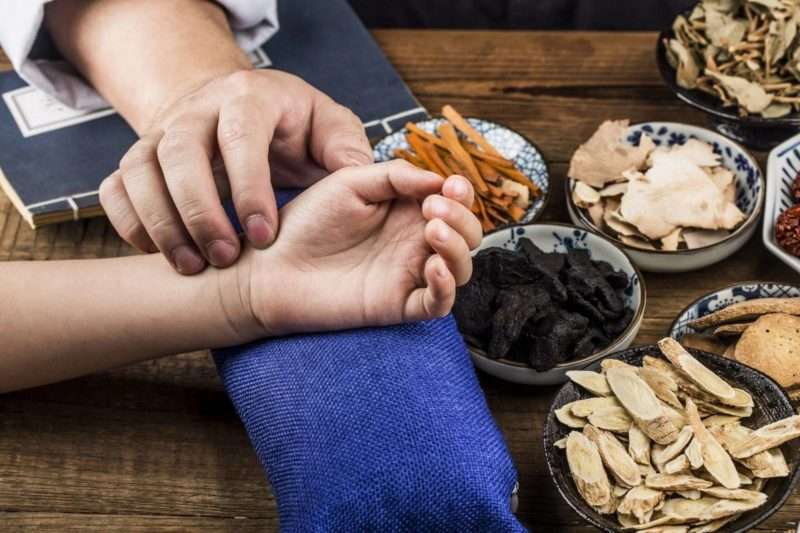
Holistic medicine encompasses all approaches to health care that focus on the individual as a whole. The word “holistic” comes from the Greek “holos”, meaning “whole” and “entire”.

Holistic medicine looks beyond symptoms and illnesses. Its diagnosis focuses on the various facets that make up the individual: body, emotions, psyche, environment, etc. It considers the individual as a whole.

In fact, it considers that an individual cannot be treated effectively without taking into account all the factors that influence him or her, including history, environment, quality of relationships…

Holistic medicine looks for the root cause of observed disorders.

Ancient medicines

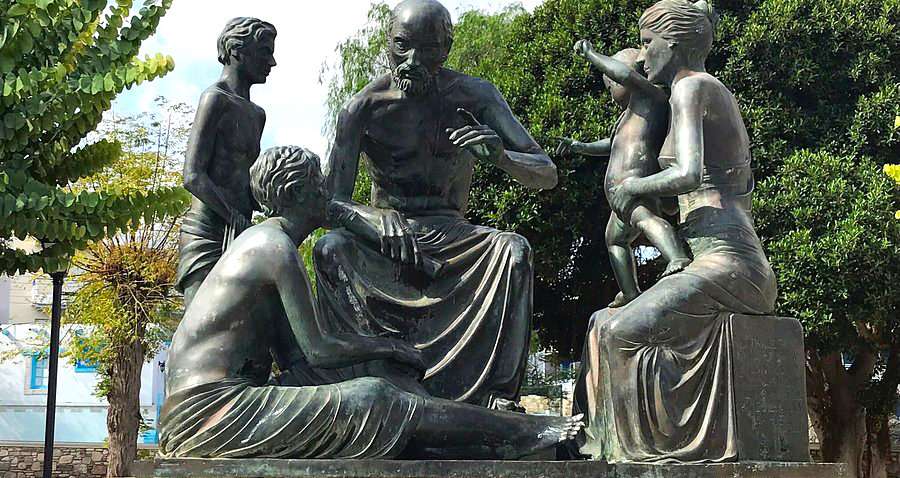
If we go back in time and look at ancient medicine, we find this holistic aspect. Indeed, the spiritual dimension of the human being plays an essential role. And the relationship with a God or divinities is essential to healing.

In ancient times, the first medical practices were related to the priestly sphere. Religious and even magical rituals formed the core of therapeutic aspects in the most ancient societies.

Of course, the use of medicinal plants can be found in all traditional cultures. Written sources and iconographic representations evoke healers who are often priests, shamans and doctors all rolled into one. They are multi-faceted figures.

 Traditional medicines

médecine tibétaine

Many traditional medicines have endured through the ages. They all have this holistic dimension in common.

These include:

  • Chinese medicine,
  • Ayurvedic medicine (India),
  • African medicine,
  • Native American medicine,
  • Traditional European medicine (phytotherapy),
  • Tibetan medicine,
  • Traditional Japanese medicine (Kampo),
  • Aboriginal medicine.

These medicines continue to be widely practised around the world, some as a complement to conventional medicine, others as the main system of care. They are based on ancestral knowledge handed down from generation to generation.

Without going into the specifics of each of these medicines, there are some common notions:

  • Harmony between man, nature and spiritual forces,
  • The use of medicinal plants,
  • The importance of overall energy balance.

In Europe, naturopathy was developed in the 19th century on the basis of these ancestral medicines.

“Instead of focusing on the symptoms of disease, holistic therapy treats the human being on six levels: physical, emotional, mental, socio-cultural, environmental and spiritual,” explains Daniel Kieffer, founder of the Collège Européen de Naturopathie Traditionnelle Holistique (CENATHO).

Disease prevention

Holistic medicine naturally includes prevention. Indeed, although it can “repair”, it is first and foremost there to enable the patient to regain balance and remain in good health.

Illness is seen as the result of disharmony. Yet the body’s capacity for self-healing is akin to the natural search for balance. This is a key factor in holistic medicine. And that’s why it focuses on the individual, not the disease itself.

This means that the holistic doctor also plays an advisory role. In this way, he or she guides the patient towards a more appropriate lifestyle (diet, exercise, even emotional management…).

Finally, in a holistic conception of health, the patients do not delegate responsibility for his or her own health to the doctor. On the contrary, they are invited and encouraged to take charge of their own health, and become the main players in it.

Attentive listening

A holistic approach focuses on an individual’s overall well-being. That’s why therapists listen sensitively to their patients, so as to hear them beyond the ailments they verbalize.

This quality of listening presupposes an attentive and benevolent attitude. It requires taking the necessary time. In this way, the holistic therapist creates a relationship of trust that is conducive to healing.

Holistic medicine also recognizes that each patient is unique. While two patients may often present similar symptoms, the root cause may be entirely different for each.

Natural techniques

Holistic medicine encompasses a wide variety of healing tools, including:

  • herbal prescriptions in various forms,
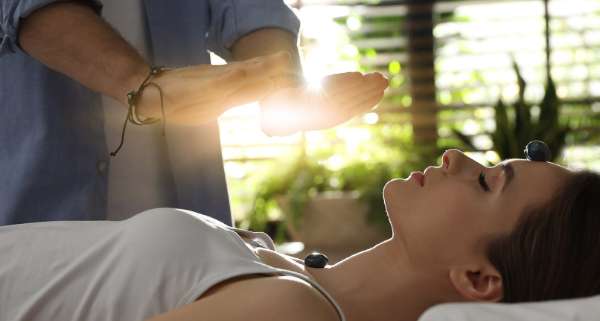
  • manual techniques (energy massage, magnetism),
  • acupuncture,
  • aromatherapy,
  • homeopathy, etc.

They also include recommendations on diet, environmental quality, the practice of qi gong or meditation, breathing techniques and so on.

They use 100% natural, non-invasive techniques.

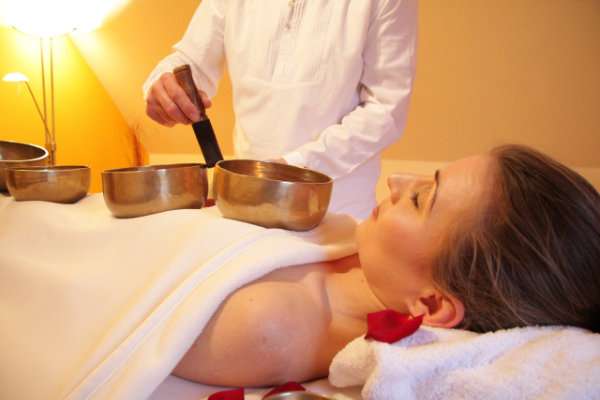
massage ayurvédique

In tune with the times

Today, more and more people are turning to these holistic medicines. They’re in with the times.

Indeed, there is a growing interest in organic and local food, permaculture and other eco-responsible farming methods. More and more people are taking charge of their own health through practices such as yoga, sport, meditation, fasting and the use of essential oils. Many are returning to the countryside, and working towards energy and food self-sufficiency.

However, holistic medicine is naturally rooted in a tradition in which Nature is central. Man is part of an ecosystem on which he is interdependent (climate, food, air and water quality, etc.). These holistic medicines are therefore naturally ecological, since they aim to achieve a better balance between man and his natural environment, a source of good health.

A healthy habitat

As we have seen, the patient’s environment plays a role in his or her health. The home is a particularly important factor, as it’s where patients spend time, sleep and recharge their batteries.

This is why the health of our homes and living spaces has given rise to disciplines that are arts in their own right. These include feng shui and geobiology.

Feng Shui

Feng Shui is an ancestral Chinese art that aims to harmonize the energies of a space to promote the well-being, prosperity and health of its occupants. It is based on the principles of Qi (vital energy), yin and yang, and the five elements (wood, fire, earth, metal, water). Feng Shui analyzes the layout of rooms, the arrangement of furniture and the external environment.

After a very detailed analysis, the Feng Shui master makes a sort of diagnosis and suggests adjustments. These aim to improve energy circulation, avoid energy blockages in the home, and seek balance in the various aspects of life (love, work, health, prosperity…). This holistic discipline sees the home as a reflection of inner balance.

Geobiology

Geobiology is the study of environmental influences on living beings. This discipline explores telluric radiation (underground watercourses, geological faults) and the vibratory energies emanating from the Earth. It also studies the impact of artificial electromagnetic fields generated by electricity, WiFi and other antennas located close to home.

The aim is to detect and neutralize zones that are harmful to health, using tools ranging from pendulums and divining rods to electronic detectors. Here too, the geobiologist will make the necessary corrections to re-establish a balance more conducive to the health of local residents.

Tongue examination

Tongue examination

An essential TCM diagnostic tool

Chinese physicians make extensive use of tongue examination. It forms an integral part of his diagnostic tools, along with observation, questioning, palpation and pulse taking. This tongue examination is based on a holistic vision of the human body as unified and harmonious, with each organ and function interdependent. In this context, the tongue is seen as a microcosm of the body.

The ancient Chinese observed that by examining the tongue, one could gain insight into the state of the internal organs and meridians. Classical texts of Traditional Chinese Medicine (TCM), such as the Huangdi Neijing – The Yellow Emperor’s Internal Classic – explain that the tongue reflects the individual’s Qi (vital energy) and Blood. The shape, color and texture of the tongue reveal information about the health of internal organs such as the heart, spleen, liver, lungs and kidneys.

This diagnosis, which dates back thousands of years, helps to understand energy imbalances in the body. This approach makes the tongue examination a fundamental pillar in Traditional Chinese Medicine (TCM) for assessing a person’s overall health.

What can we see on the tongue?

By observing the tongue, we can assess the deep roots of the body and mind at the origin of energetic imbalances detrimental to health.

The tongue of a healthy, “normal” individual is bright. It is light red in color and supple. It is neither swollen nor too thin, has no cracks, and should not tremble when pulled. The coating is thin and slightly white, a little thicker behind the tongue. The tongue is slightly moist, but not overly so; no traces of liquid should be visible. The sublingual veins (under the tongue) should not be swollen or too purplish.

In this way, the Chinese doctor diagnoses the state of the organs according to the color of the tongue, its shape, the state of the body fluids, as well as thermal syndromes.

A map of internal organs

  • Location of internal organs: The tongue is divided into zones corresponding to the various internal organs. For example, the tip of the tongue is associated with the heart, while the center represents the spleen and stomach.
  • Color: The color of the tongue reflects the state of Qi and Blood in the body. A pale tongue may indicate a deficiency of Qi or Blood, while a bright red tongue could suggest excess heat in the body.
  • State of body fluids: The appearance of the lingual coating (the layer on the surface of the tongue) reveals the state of fluids in the body. A thick or absent coating may indicate fluid stagnation or dryness.
  • Thermal syndromes: the color, texture and structure of the tongue help determine whether the disease is caused by excess heat or cold in the body.
cartographie de la langue

Benefits of the tongue examination

Tongue examination offers several advantages for TCM diagnosis:

  • It is non-invasive. The examination allows practitioners to gather information about internal health without the need for intrusive tests.
  • The assessment is holistic. In effect, the state of the whole body through a single organ is examined. The language reflects the health of the various systems, enabling a global assessment.
  • It gives precisions to the energetic diagnosis. The different aspects of the tongue enable us to diagnose specific imbalances, such as excess heat or cold, Qi stagnation and blood deficiencies.
  • A powerful aid to follow-up. Observing the tongue enables us to monitor the consultant’s progress. It enables us to see the progress of a treatment and to adjust care according to visible changes.

    It’s fair to say, then, that the examination of the tongue in TCM is an art. This refinement in the art of healing provides access to a subtle understanding of internal imbalances. Mastery of this art is a powerful tool for interpreting the body’s signs. Complementing the other axes of diagnosis, it reinforces the link between external signs and energetic health.

    Key observation points

    During the examination, several aspects of the language are analyzed, each revealing valuable information about the individual’s internal state.

    • Colour
      Bright red: excess heat or inflammation in the body.
      Pale: deficiency of Qi or Blood, often associated with fatigue or weakness.
      Purple or bluish: blood stagnation, which may be linked to chronic pain or poor circulation.
      Yellow: excess heat, often related to the stomach or liver.
    • Coating
      Thick: often indicates stagnation, fluids or an imbalance in digestion.
      Thin: suggests good digestion and fluid balance.
      White: sign of cold in the body.
      Yellow: indicates excess heat.
    • Shape
      Swollen: spleen deficiency or accumulation of fluids in the body.
      Thin: deficiency of blood or body fluids.
      With teeth marks: spleen Qi deficiency (see photo below).
    • Moisture
      Dry: sign of heat or deficiency of body fluids.
      Wet: reflects a good balance of body fluids.
      Viscous or with stringy saliva: may indicate stagnation of body fluids.

    Clinical case

    A consultant’s tongue is slightly bluish, with a thick, moist yellow coating. There is also a crack in the center of the tongue. The pulse resembles a kind of elusive wave to the touch, and is said to be slippery. (A slippery pulse is fluid, like water flowing under the fingers. It often has a livelier cadence that reinforces the impression of continuous movement).

    What is this person suffering from, and how can it be treated?

    In Chinese medicine, a slippery pulse (滑脉, huá mài) associated with a thick, moist, yellow lingual coating often indicates an accumulation of moisture and heat, especially in the spleen and stomach.

    A bluish tinge to the tongue, on the other hand, may indicate blood or qi stagnation, often linked to cold or disrupted qi circulation. The central fissure is generally linked to weakened spleen and stomach energy, which may be exacerbated by humidity and heat blocking their function.

    Based on these signs, it seems likely that the person is suffering from what is known as a “humidity-heat syndrome” with a deficiency of the spleen and stagnation of qi or blood.

    Principles of treatment

    Treatment would aim to:

    1. Eliminate humidity and heat from the body.
    2. Strengthen the spleen to restore its capacity for transformation and transport.
    3. Circulate qi to relieve stagnation.

    Chinese calligraphy

    Chinese calligraphy

    A meditative art with healing properties

    Calligraphy is a means of expressing the very essence of the soul; through each brushstroke, body and mind merge in perfect harmony.

    This meditative art has more in common with internal and external martial arts, as well as with traditional medicine, than you might think. Indeed, Chinese calligraphy is not simply a form of writing, it is an ancestral art.

    The origins of Chinese calligraphy

    Cang Jie

    In Chinese mythology, the invention of writing is often attributed to Cang Jie, a legendary minister of the Yellow Emperor Huangdi (c. 2750 BC). It is said that Cang Jie had four eyes, enabling him to penetrate the secrets of Heaven and Earth.

    In particular, he observed the footprints left by animals and devised an immediately recognizable mark for each one.

    The Yellow Emperor, eminently satisfied, promulgated the use of his writing throughout the country. He also had a riverside temple erected at the site of his workplace.

    These symbols, initially simple and pictographic, evolved into a complex writing system, combining meaning and aesthetics.

    One of the earliest styles of calligraphy is the “bone and shell style”, which appeared on turtle shells and ox bones during the Shang dynasty (1600-1046 B.C.). This archaic writing style, though rudimentary, already bore the seeds of the subtle, refined art we know today.

    Calligraphy then underwent a series of major evolutions, influenced by the various Chinese dynasties. Each period made unique contributions to the art. This gave rise to different styles, such as the sigillary style (篆书, zhuànshū), the scribe style (隶书, lìshū), the regular style (楷书, kǎishū), the semi-cursive style (行书, xíngshū), and the cursive style (草书, cǎoshū). These different styles share the same essence: the expression of qi, the vital energy that circulates within every living being.

    A historic journey

    Over the centuries, calligraphy has always been seen as more than just a method of writing. Under the Han dynasty (206 BC – 220 AD), it began to be recognized as an art form in its own right. Imperial scholars and officials learned calligraphy not only to write, but also to cultivate their minds. The art became an expression of moral virtue, righteousness and inner harmony.

    During the Tang dynasty (618-907 A.D.), calligraphy reached new heights. Masters such as Wang Xizhi and Yan Zhenqing left works that continue to be studied and admired today.

    The Song dynasty (960-1279 A.D.) also saw the emergence of a deeper link between calligraphy, poetry and painting, making these three disciplines an inseparable trio, embodying the ideal of the Chinese scholar.

    And so, from generation to generation, the art of calligraphy has passed through the ages, perfecting itself while remaining rooted in its fundamental principles.

    Calligraphy schools multiplied, and each region added its own personal touch, but one thing remained unchanged: calligraphy was not simply a visual art, but a path to inner peace.

    calligraphie ancienne

    An unexpected link with martial arts

    tai chi

    As our readers already know, body and mind in TCM are intimately linked. This understanding is reflected in Chinese martial arts, where internal energy (qi) and mastery of movement are fundamental. The same concept applies to calligraphy.

    One might think that martial arts and calligraphy are two very different disciplines. Yet they share a profound connection: both rely on concentration, body control and the fluid circulation of qi. In internal martial arts such as Tai Chi or Qi Gong, movements are slow, measured and focused on harmonizing vital energy. In calligraphy, brush handling follows a similar principle.

    Each stroke is a flow of energy, each character a manifestation of inner balance and strength.

    Mastering calligraphy is comparable to mastering a martial art: it requires discipline, patience and perfect harmony between body and mind.

    Ancient martial arts masters often recommended the practice of calligraphy to strengthen the mind and deepen mastery of qi. This calm, meditative discipline could then be applied to their healing internal martial practice.

    A healing art

    Although calligraphy is often perceived as a simple artistic pastime, it actually has therapeutic virtues. Traditional Chinese medicine teaches that the body’s equilibrium is based on the harmonious circulation of qi and blood. Any obstruction of this energy can lead to illness.

    The practice of calligraphy calms the mind, calms the heart and regulates the flow of qi. When you focus all your attention on the brush, you plunge into a meditative state, where the mind calms down and stress dissipates. This helps to regulate breathing, align the body and ensure the smooth flow of energy.

    Modern studies confirm that the regular practice of calligraphy can reduce anxiety, improve concentration and even lower blood pressure. Like meditation, calligraphy helps to restore a state of inner balance.

    In this sense, calligraphy is much more than a simple art; it is a path to healing, a way to harmonize body and mind.

    calligraphie ancienne

    So calligraphy is a spiritual path for the soul, a healing practice for the body. By immersing himself in this art, the practitioner enters an active meditation, where each stroke is a manifestation of his qi, where each character is a window onto his inner balance.

    In a world of stress, agitation and distraction, why not take refuge in calligraphy? It will guide you towards a calmer, more harmonious life, more in tune with your true essence.

    The single brushstroke

    At the age of 22, artist Fabienne Verdier, who graduated from the Beaux-Arts de Toulouse in 1983, decided to study calligraphy in China. Parallel to her studies at the Sichuan Fine Arts Institute in Chongqing, she studied with the last great calligraphy masters to survive the Cultural Revolution.

    She recounts this extraordinary experience in several books, including L’Unique trait de pinceau (Albin Michel, 2001) and Passagère du silence, dix ans d’initiation en Chine (2003). In them, she recounts a veritable adventure in which she had to brave the prohibitions and reticence still very much alive at the time. But above all, she recounts what is a veritable journey of initiation, a profound discovery of herself through years of hard work and study.

    In an enthralling account, the artist shares her discovery of this art, which is based on a perfect match between the artist’s soul and the “principle that governs all things”. Indeed, calligraphy demands the total involvement of body and mind. After hours of silence and concentration, the difficulty lies in the fact that once the gesture has been made, the fate of the painting is decided and there is no turning back: “The rule is based on the Single Brushstroke”, wrote Shitao, one of China’s greatest painters, in the 18th century. The One Brushstroke is the origin of all things, the root of all phenomena.

    Fabienne Verdier invites her readers to take another look at the sensitive world and rediscover a primordial unity.

    The healing process

    The healing process

    How to regain your health

    The Chinese philosopher Mencius (372 – 289 B.C.) said: “If medicine does not bring disorder and disarray into the body of a sick person, it will not bring about healing.”

    There you have it. Indeed, it’s not uncommon for patients to experience unpleasant and uncomfortable phenomena during treatment. And yet, according to Traditional Chinese Medicine (TCM), treatment is designed to restore health and energy balance. It can happen, albeit rarely, that an acupuncture session triggers an over-reaction, i.e. an apparent worsening of the symptom. This is generally very positive and lasts for a very short time. Similarly, those who experiment with fasting or detoxification cures may experience fatigue, skin rashes, headaches… These inconveniences are signs of a deep cleansing.

    When a building falls into disrepair, the first thing to do is to break down the damaged parts before rebuilding. This step guarantees the quality and durability of the work. A In the same way, the therapeutic process involves cleansing and rebalancing to restore the body’s functions step by step. This is particularly true for chronic or long-standing illnesses, which require patience and trust.

    Taking the time

    You’ve probably noticed the words “slowly” and “step by step”. The body has its own rhythm. It is intelligent and places each of us in a position of absolute comfort. Homeostasis is the purest example of this. *

    In a way, the body is its own doctor. It knows how to treat us, and it speaks up by expressing what’s wrong. This is what we call a symptom. For each of us, this means getting to know our inner doctor and listening when he “speaks” to us.

    To do this, the first thing we need to do is slow down in all aspects of our lives. This applies whether we are sick or not. Indeed, it is essential if we are to listen to our “good doctor.”

    It is important to understand that this doctor does not talk about stress, obligations, or goals. It expresses needs. Fatigue, pain, and prolonged depression or anxiety are warning signs.

    But sometimes, certain unpleasant experiences can also be signs that healing is underway.

    In this case, it is important not to fight what may be experienced as illness and to let the healing process take its course. Here are a few examples.

    femme avec fièvre

    Fever and other signals

    Fever is the body’s natural response to infection, inflammation or other internal imbalances. In TCM, fever is seen as a sign that the body is mobilizing its vital energy (Qi) to fight against a pathogenic agent, such as internal heat, cold invasion, or Qi or blood stagnation.

    Note that we’re not talking about illness here. The body is working to restore balance, and it’s letting us know it. The body is mobilizing all its energy to do this, which is usually accompanied by severe fatigue. So stopping the fever is a mistake, because the underlying imbalance will become more pronounced. This increases the risk of triggering a serious illness later on.

    The case of ulcers is also interesting. In allopathic medicine, doctors today are reluctant to close ulcers quickly, as the risks of infection, recurrence, fibrosis etc. are much greater if we intervene than if we leave the body to repair itself.

    As we have seen above, when the liver cleans itself during a detox or fasting, it will release toxins into the bloodstream, which may have unpleasant… and of course temporary effects.

    How therapy works

    acupuncture

    In TCM, a treatment of any kind will trigger a series of processes designed to remind the body’s various functions of the work they need to do. In simple terms, this treatment (acupuncture, herbal decoction, etc.) will either energize or disperse the Qi, depending on the imbalance diagnosed.

    The Qi thus rebalanced will, in turn, communicate with each organ. It helps the organs to function properly and assists them to work in harmony with each other. During this time, the repair processes may or may not provoke different states that will affect the patient to a greater or lesser extent. One example is fatigue.

    Basically, Chinese energetics considers fatigue to be indicative of an imbalance in Qi (vital energy). After therapy, either the patient feels better, or the body’s intense internal work will cause temporary fatigue.

    The healing process also has an impact on the emotions, and can generate frustration, irritability and even sadness (pessimism). It is therefore important to preserve one’s emotional and affective environment to avoid too many emotional excesses.

    To support the healing process as effectively as possible, patients are strongly advised to take particular care with their lifestyle (see box). This can be an opportunity to initiate lasting changes, conducive to better, lasting health.

    My attitude to healing

    fishing in the river

    It’s essential to preserve energy and avoid adding to existing fatigue. So the priority is rest. This doesn’t mean sleeping. You can walk in nature, relax by reading, listen to beautiful music…

    In some cases, it’s a good idea to have several acupuncture sessions to boost and re-equilibrate your energy. You can also take the opportunity to practise qi gong, which also has a positive effect on energy balance.

    It’s important to keep an eye on your diet, which should be light. As a reminder, sugar should be banned during this period, especially refined sugar. This of course includes slow sugars or carbohydrates, as well as sweet drinks and alcohol. Foods that don’t cause stagnation should be favored.

    It’s important to stay in a calm climate that doesn’t trigger emotional excesses. In certain cases, it’s important for the patient to stay away from people and situations that bring toxicity. For example, in the case of serious pathologies, the fears and worries of those around the patient will increase the burden on the patient, which is highly detrimental to healing.

    So it’s best to focus on people who are cheerful and believe in you. In the same way, you can watch funny films, or engage in activities that bring you joy. If, during a TCM treatment, symptoms of illness increase, it’s important not to worry. It’s best to contact your TCM practitioner so that he can check what’s going on and adapt the treatment if necessary.

    Breathing and health

    Breathing and health

    Inhale, exhale: the breath of life

    How many of us realize that breathing is the first element of hygiene we should take care of? Indeed, breathing is the first thing a newborn does. Then it feeds on its mother’s milk.

    So our whole life follows this rhythm… breathing then feeding. This is a fundamental and therefore vital physical principle. Without breathing, our life ends after a few minutes. The same is true for animals and plants.

    Breathing consists of a cycle of inhalation and a cycle of exhalation. During these cycles, the lungs exchange gases. When we exhale, the body expels carbon dioxide extracted from the blood, then in the next cycle the lungs inhale air, which is oxygen but above all Qi.

    The concept of Qi is important here because, as you already know, Qi is present in the blood. The lungs carry Qi into the blood. This Qi circulates throughout the body, regenerating the various organs as it passes through them.

    Letting go and breathing

    Taking a step back, we can give breathing a broader meaning, that of a dynamic that renews our body and mind. Thus, those who accept to let go, to get rid of the unnecessary (psychological or physical), give themselves the opportunity to recharge with balancing emotions. They breathe by letting go of the unnecessary and welcoming the present.

    On the contrary, a person who remains stuck in regret, resentment, or fears related to the past will not be able to breathe freely. Such a person will suffer from pathologies related to respiratory blockages.

    Letting go then takes on its full meaning, as it allows us to accept a situation that, by definition, can no longer be changed. The person returns to the present, to their body, thus giving themselves the means to regain fluid breathing. In this way, the person frees themselves from their attachment to a past that has become useless or even toxic, in order to establish new ways of functioning rooted in the present and in consciousness.

    The Lung and the Metal Element

    In traditional Chinese medicine, breathing is linked to the Metal element. Metal encompasses two organs, the lungs and the large intestine, as well as the skin.

    Poor breathing will have repercussions on all the meridians and, first and foremost, on its paired organ, the colon. The emotion associated with Metal is sadness (in extreme cases, depression).

    As breathing has a strong impact on the circulation of Qi, impaired breathing will cause Qi stagnation, which can affect the entire body and organs.

    Conversely, breathing is an excellent tool for improving the quantity and quality of Qi absorbed, as well as its proper circulation. Doing so improves overall health and emotional balance in particular.

    Here are some examples of conditions that can result from blocked breathing, and therefore an imbalance in the Metal element.

    Respiratory diseases

    • Asthma

      It is associated with a deficiency of Lung Qi and/or an accumulation of Phlegm. As the Lung is also responsible for regulating fluids in the body, it can become weakened. This can then lead to breathing difficulties, wheezing, and even coughing.


    • Bronchitis

      It is linked to an invasion of external pathogenic factors; such as cold wind or heat in the Lung, which can also be the result of Lung Qi deficiency.

    • Pneumonia

      This results from an accumulation of heat and phlegm in the Lung, often exacerbated by a pathogenic infection. The Lung is overwhelmed by damp heat, causing severe symptoms.

    • Allergic rhinitis

      It is also associated with a deficiency of Lung Qi, which makes the body more sensitive to allergens and environmental factors.

    Digestive disorders

    • Constipation

      This is caused by dryness in the Large Intestine, often due to insufficient body fluids or stagnation of Qi. Fluid deficiency leads to hard, dry stools that are difficult to pass.

    • Irritable bowel syndrome

      This is associated with stagnation of Qi in the large intestine, often exacerbated by emotional factors such as stress. Stagnant Qi leads to various digestive disorders.

    • Dysentery

      This is caused by heat and dampness in the large intestine. This condition can be aggravated by infections or an inappropriate diet.

    Skin conditions

    • Eczema

      It can be caused by an accumulation of heat or phlegm in the lungs or by a deficiency of lung yin. The skin becomes dry, irritated, and itchy.

    • Psoriasis

      This is linked to stagnation of Qi and Blood or internal heat. The skin is affected by imbalances in Qi and Blood, resulting in red, scaly patches.

    • Acne

      This is often linked to heat in the lungs or stagnation of Qi and Blood. Internal heat or stagnation of bodily fluids causes skin breakouts.

      • Dry skin

        This is caused by dryness in the lung and large intestine. A lack of body fluids makes the skin rough and dehydrated.

      Emotional disorders

      • Sadness and depression

        These are directly linked to imbalances in the Lung, which can affect the Shen (spirit), leading to feelings of sadness, melancholy, or persistent grief.

      Cultivating your breathing

      While breathing is an automatic process controlled by the autonomic nervous system, it can also be controlled. This means that we can influence our breathing. And we would be wise to do so! Everyone knows that when feeling stressed or panicked, it is important to calm your breathing and breathe from your stomach.

      Singers, martial artists, and freedivers place great importance on breath control. Yogis have taken the art of breathing to the highest level with Pranayama (breath control that includes breathing but also the concept of qi).

      Today, most life coaches incorporate breathing, and some even specialize in breathing coaching. Because, yes, breathing better can change our lives!

      Our breathing depends on many factors, including our environment, emotions, diet, posture, and more.

      Breathing is therefore an integrated healing tool in itself. This is why more and more people are interested in the relationship between breathing, spiritual development, and health.

      Many Asian masters have been teaching breathing techniques for thousands of years. These techniques improve digestion, relieve stress, strengthen the immune system, and, above all, nourish the body with energy.

      Taoist disciplines such as Qi Gong, Tai Chi, and meditation focus on making abdominal breathing natural. This improves the functioning and efficiency of the heart, lungs, and other organs. Deep, conscious breathing maintains emotional and physical balance, eliminating negative energy and promoting good health.