Pharmacopoeia – the ingredients

Pharmacopoeia – the ingredients

Ancient knowledge at the service of health

This article is the first in a series of three articles dedicated to Chinese pharmacopoeia, the other two being devoted to the recipe and the prescription. Their aim is to demystify this discipline and allow the reader to grasp the full value and wisdom it contains.

Chinese pharmacopoeia, a cornerstone of Traditional Chinese Medicine (TCM), is a discipline with a history spanning millennia. It incorporates a holistic understanding of the human being, considered an inseparable unity of body and mind.

Rooted in the principles of Taoism, it is based on the dynamic balance of qi (vital energy), yin and yang, and the five elements (wu xing: Wood, Fire, Earth, Metal, Water). TCM views health as a state of harmony between the individual and their environment, influenced by the seasons, emotions, and cosmic cycles.

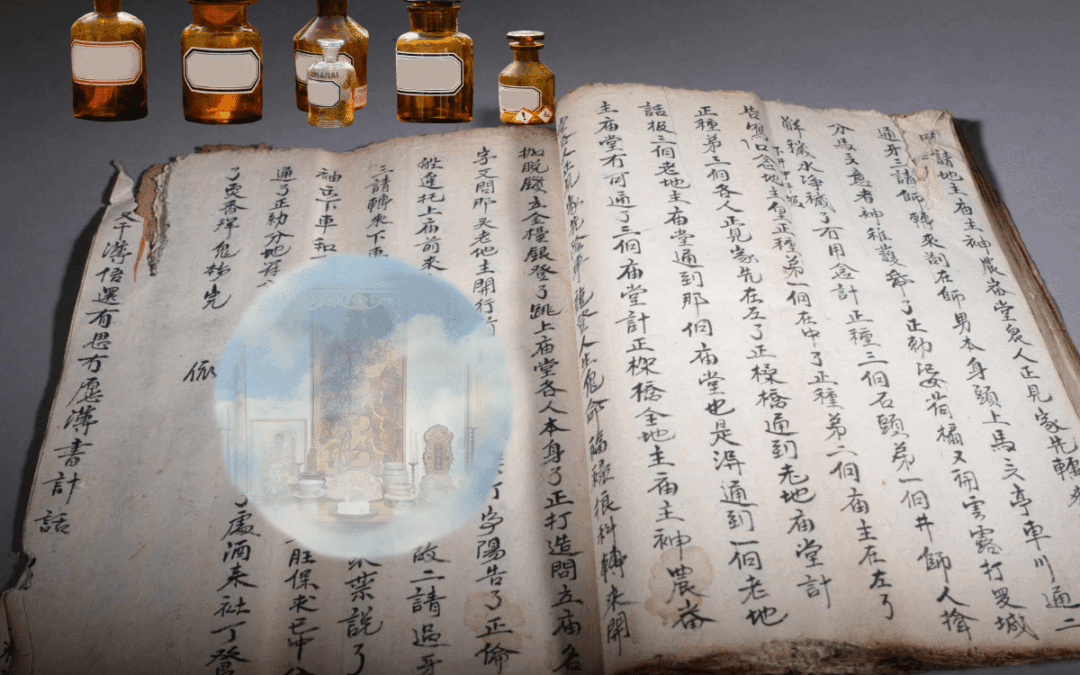
Foundational texts, such as the Shen Nong Ben Cao Jing (Shenn Nong’s Classic of Materia Medica, c. 200 BCE) and Zhang Zhongjing’s Shang Han Lun (2nd century CE), codified the properties of medicinal substances, their combinations, and their therapeutic applications. These works describe hundreds of remedies, primarily plant-based, but also animal and mineral. Each remedy is characterized by its nature (sì qì: cold, cool, warm, hot), its flavor (wǔ wèi: pungent, sweet, sour, bitter, salty), and its energetic tropism (meridians or target organs).

Chinese pharmacopoeia is not limited to the isolated use of substances. It relies on prescriptions (fāng) in which several ingredients act synergistically to treat complex imbalances of the mind and body. This systemic approach, which combines empirical observation and philosophical principles, aims to restore the harmonious circulation of qì, correct yin-yang imbalances and eliminate pathogenic factors (bìng xié).

A wide variety of natural substances

Chinese medicine therefore uses plant-based substances, as well as animal, mineral, fungal, and organic substances. Each is selected for its specific properties and its action on the meridians, organs, and energy flows.

These remedies work synergistically to treat the individual. Through this ancestral knowledge, Chinese medicine does not simply cure: it prevents, harmonizes, and balances the individual in their physical, emotional, and spiritual dimensions.

Plant Substances

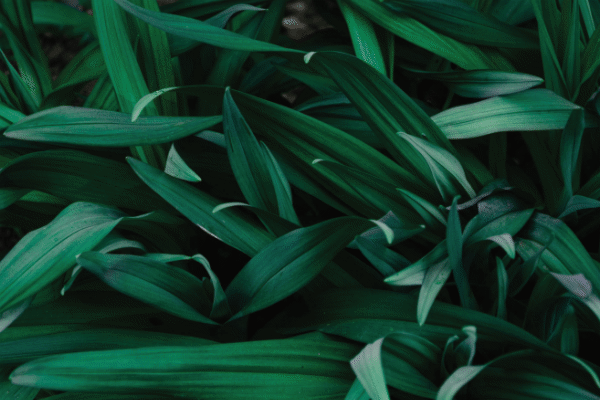
Plants dominate the Chinese pharmacopoeia; they represent approximately 80% of the substances. Different parts of plants are used (see below). For example, fruits (guǒ), such as Shān Zhā (Crataegus pinnatifida), facilitate the digestion of fats. Rhizomes, such as Huáng Lián (Coptis chinensis), drain fire from the Heart and Stomach and are used for mouth ulcers or irritability.

mon vegetal

Animal Substances

Animal substances, although less common, are essential in certain contexts. Lù Jiǎo (deer antler) tonifies Kidney Yang. It is indicated for sexual weakness or lower back pain. Mǔ Lì (oyster shell) grounds Yang and calms the mind. It is prescribed for insomnia or restlessness. Their use is strictly regulated to respect ethical principles and natural cycles.

Mineral Substances

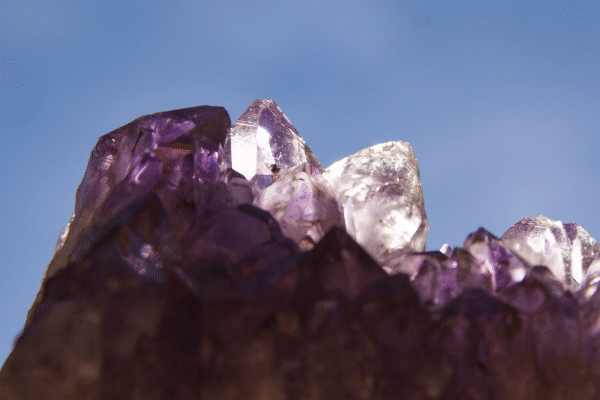
Minerals are also used in traditional remedies. For example, Shí Gāo (gypsum) soothes excessive heat in high-fever syndromes. Zhū Shā (cinnabar) calms the mind, but its use is limited due to its toxicity. Lóng Gǔ (fossilized dragon bone) grounds the mind and stabilizes emotions.

Fungal Substances

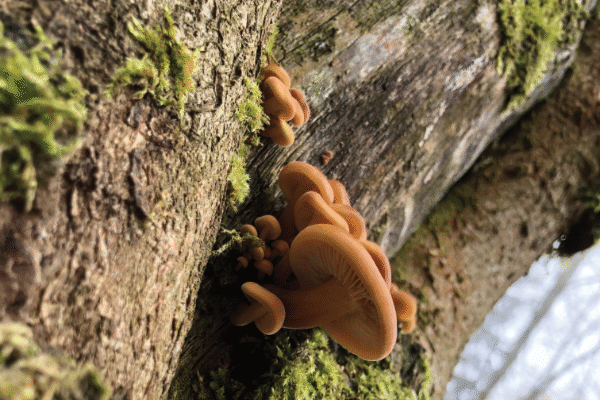
Fungal substances are also used. For example, Fú Líng (Poria cocos), a fungus, acts on dampness and the Spleen, promoting the elimination of pathogenic fluids. These substances are considered intermediaries between the plant and mineral realms; they embody the Earth element.

The different plant substances

In traditional Chinese medicine, the various parts of medicinal plants are utilized: roots, leaves, stems, flowers, bark, and seeds. Each part is used for its unique therapeutic properties.

Each part is associated with one of the five elements (Earth, Wood, Fire, Metal, Water). It plays a specific role in restoring the balance of qi, yin, and yang.

Roots, such as Dǎng Shēn or Huáng Qí, tonify and nourish, conveying the concept of Earth’s stability.

Leaves, such as Bò He, disperse wind and target the superficial layers, embodying the vitality of Wood. Stems, such as Pú Gōng Yīng, regulate energy flow. Flowers, such as Jú Huā, soothe emotions associated with Fire.

Finally, barks, such as Dù Zhòng—associated with Metal—protect and strengthen. And seeds, like Gǒu Qǐ Zǐ, concentrate the vital essence of Water.

Harvested at precise times to maximize their energy, these parts are combined in synergistic formulas, reflecting a holistic approach where each element contributes to harmonizing body and mind.

A closer look at plant substances

The roots (Gēn)

Roots (gēn) are among the most frequently used plant parts due to their high concentration of active ingredients, associated with the Earth element, a symbol of stability and nourishment.

They are harvested in autumn or winter, when the plant’s energy is concentrated underground. For example, Dǎng Shēn (Codonopsis pilosula) tonifies the Spleen and Stomach Qi. It is used in cases of chronic fatigue or digestive disorders.

Huáng Qí (Astragalus membranaceus), another tonifying root, strengthens defensive Qi (wèi qì) to support immunity and prevent infections. Roots like Shēng Dì Huáng (Rehmannia glutinosa) nourish Yin and are prescribed for Yin deficiency syndromes, such as thirst or hot flashes.

The Leaves (Yè)

The leaves (yè), associated with the Wood element, capture the energy of wind and movement. They are harvested in spring or summer, when their vitality is at its peak.

Sāng Yè (Morus alba) disperses wind-heat in lung ailments, such as dry coughs or mild fevers.

Bò He (Mentha haplocalyx), with its aromatic leaves, clears the surface (biǎo) by promoting sweating in cases of external attack syndromes. Their action is often ascending and dispersing, targeting the superficial layers of the body.

The Stems (Jīng)

The stems (jīng) regulate the movement of qi, whether ascending (shēng) or descending (jiàng). Harvested in spring, they embody the vigor of the sap.

Pú Gōng Yīng (Taraxacum mongolicum) drains damp-heat and is used for urinary tract infections and abscesses.

Húo Má Rén (Cannabis sativa, stem) acts on the intestines to lubricate and facilitate defecation in cases of constipation.

Flowers (Huā)

Flowers (huā), associated with the Fire element, are harvested at their peak bloom to capture their yang energy. They often influence emotional state and Liver function.

Jú Huā (Chrysanthemum morifolium) soothes the Liver, clarifies vision, and disperses wind-heat, and is indicated for headaches and eye irritations.

Jīn Yín Huā (Lonicera japonica) eliminates toxic heat in infections such as tonsillitis.

Bark (Pí)

Bark (pí), associated with the Metal element, is harvested in autumn or spring when the sap is abundant. It has protective and astringent properties.

Dù Zhòng (Eucommia ulmoides) strengthens the Kidneys and bones; it is used for lower back pain. Huáng Bǎi (Phellodendron amurense) drains damp-heat, particularly in genitourinary infections.

Seeds (Zǐ)

Seeds (zǐ), associated with the Water element, are harvested when ripe for their ability to store vital energy (jīng). Gǒu Qǐ Zǐ (Lycium barbarum) nourishes the yin of the Liver and Kidneys, improving vision and vitality. Sū Zǐ (Perilla frutescens) lowers pulmonary qi, relieving asthma or cough.

Preparation of plants and substances

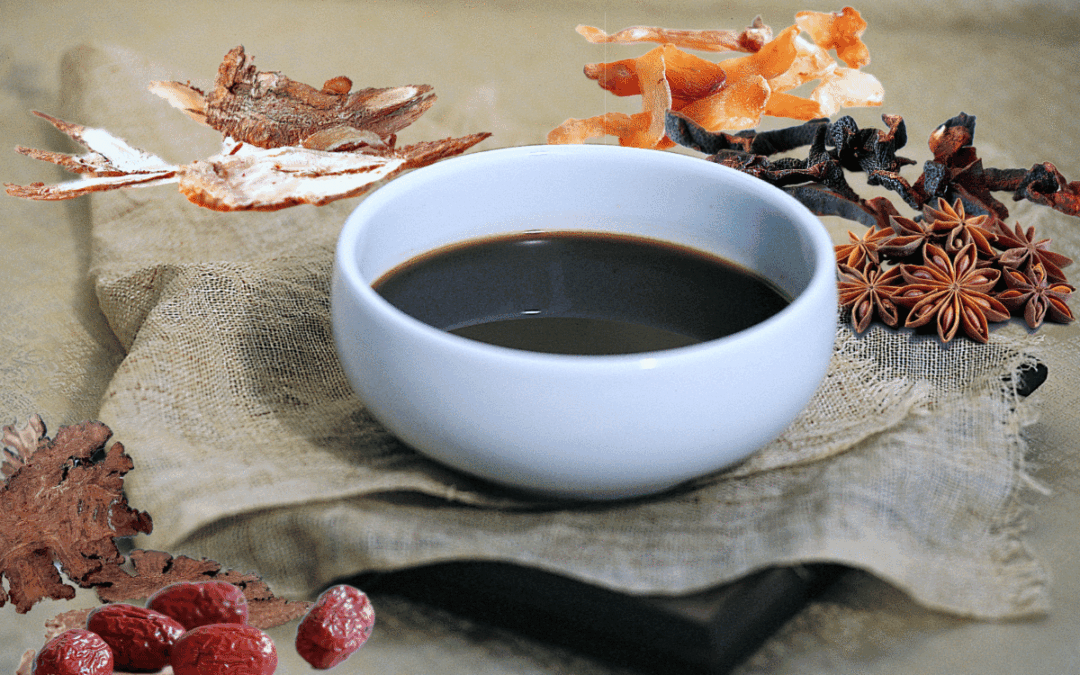
The preparation of traditional remedies, while sometimes simple (drying, cutting for decoctions), often requires specific techniques. These techniques serve precise purposes: facilitating absorption, ensuring preservation, reducing toxicity, modifying energetic properties, increasing efficacy, or eliminating undesirable constituents.

These processes, rigorously developed throughout the history of Chinese pharmacopoeia, remain strictly applied today to guarantee the reliability of the remedies.

Drying (Gān)

Drying (gān) is essential for preserving the substances. Plants like Bái Zhú (Atractylodes macrocephala) are sun-dried to enhance their tonic properties, while flowers like Jú Huā are shade-dried to preserve their essential oils. Sun-drying (shài gān) accentuates the yang properties, while shade-drying (yīn gān) preserves the yin.

Maceration (Jìn)

Maceration (jìn) extracts the active ingredients by soaking the substances in water, wine (yào jiǔ), or oil. Dāng Guī (Angelica sinensis) macerated in wine strengthens blood circulation; it is used to relieve menstrual pain. Soaking in rice water (mǐ shuǐ) harmonizes digestive functions, as with Fú Líng.

Powder (Fěn)

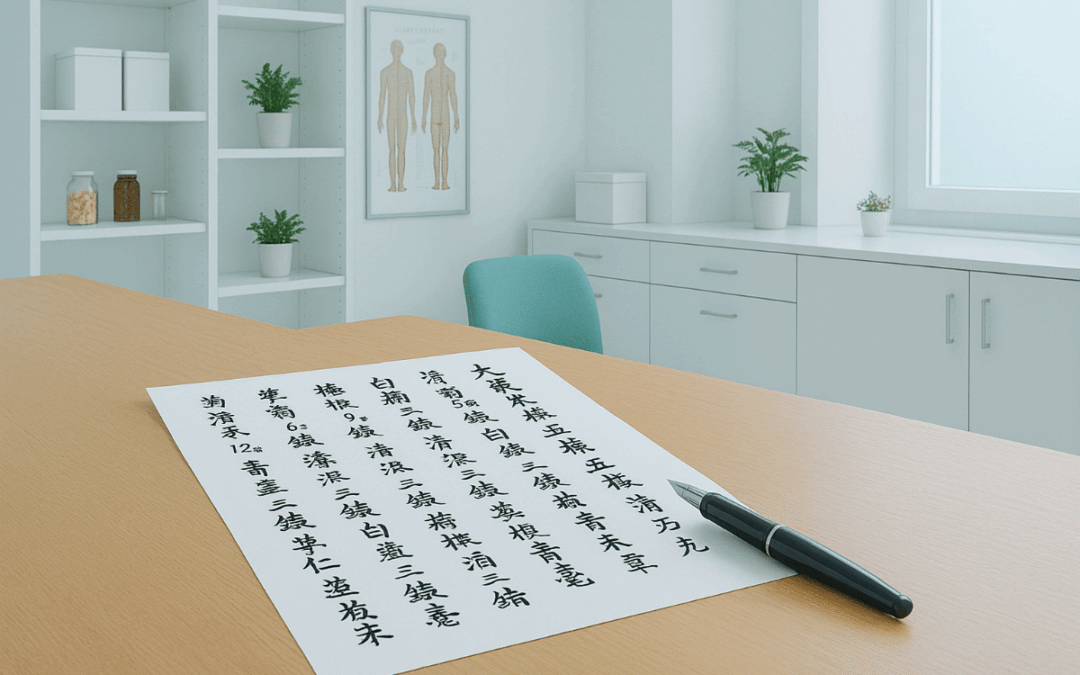
Powdering (fěn) facilitates administration and storage. Substances like Mǔ Lì are pulverized for pills or topical applications. Píng Wèi Sǎn powder combines Cāng Zhú, Hòu Pò, and Gān Cǎo to eliminate dampness and relieve nausea.

Burning (Huǒ Zhì)

Burning (huǒ zhì) alters the energetic properties. Gān Jiāng (dried Zingiber officinale) is heated to warm Stomach Cold, unlike raw ginger (shēng jiāng), which disperses Wind-Cold. Roasting (chǎo) enhances the tonic effects, as with Bái Zhú Chǎo.

Burning Under Ashes (Wèi)

Burning under ashes (wèi) involves wrapping substances in damp paper or rice paste and heating them under hot ashes. This method reduces volatile oils (essential oils) to avoid side effects. For example, Mù Xiāng (Saussurea lappa) prepared using this method (wèi mù xiāng) is used to regulate Stomach qi without causing irritation.

Calcination (Duàn)

Calcination (duàn) involves burning substances at high temperatures to reduce them to ash, eliminating impurities and altering their nature. Calcined Mǔ Lì (duàn mǔ lì) becomes more astringent; It is used to stop spontaneous sweating or seminal loss. This method is common for mineral substances such as Lóng Gǔ.

Fermentation (Fā Xiào)

Fermentation (fā xiào) activates the biological properties of substances. For example, Shén Qū (Massa medicata fermentata), obtained by fermenting grains, aids digestion and treats food stagnation.

Pharmacopoeia and Cosmology

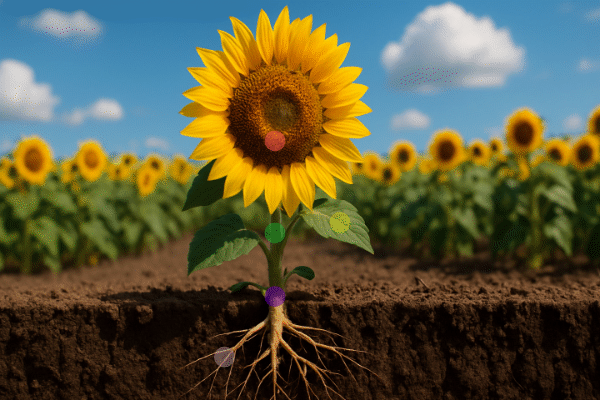
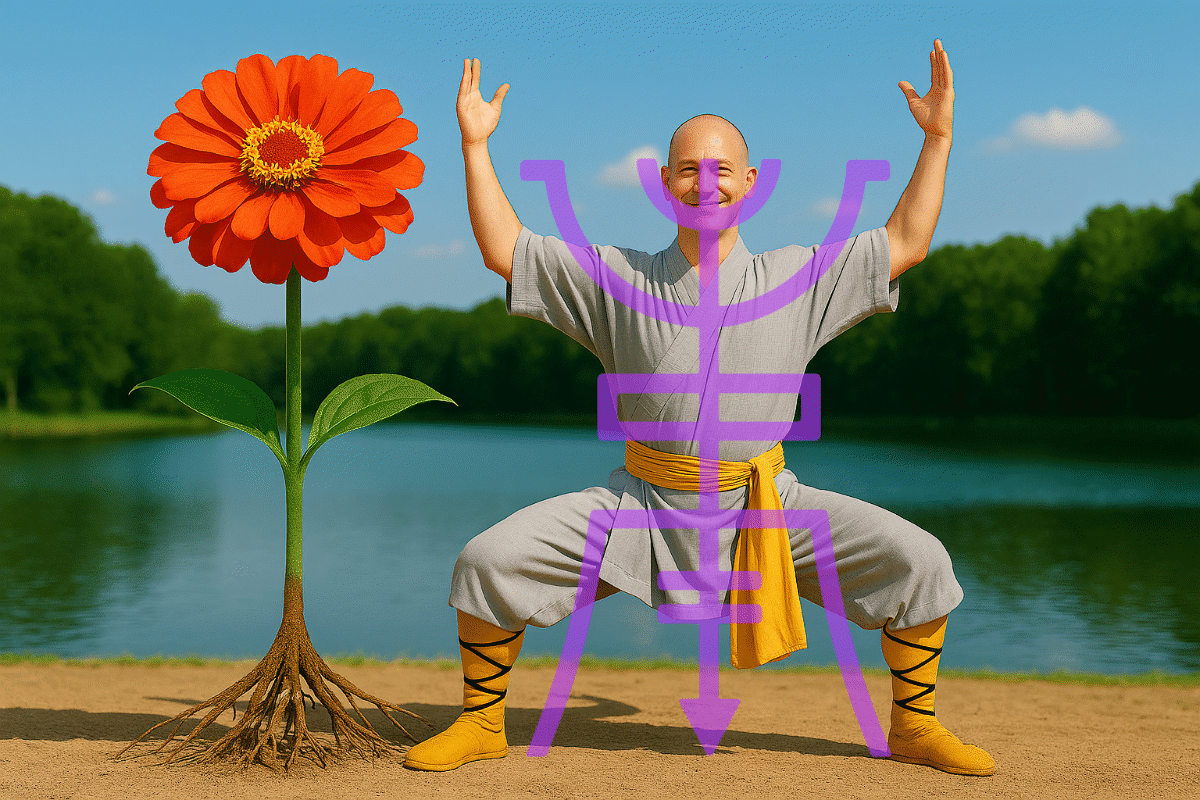
In traditional Chinese thought, humankind stands between Heaven (天) and Earth (地), as symbolized by the diagram inherited from Mengzi: a vertical axis where Man (人) embodies the link between celestial laws and earthly manifestations.

This cosmological framework guides all of Chinese medicine, particularly its pharmacopoeia. Each remedy is more than just a substance: it is a vehicle for harmonizing cosmic and bodily forces.

Plants, minerals, animals, and fungi are chosen not only for their physiological effects. They are also selected for their ability to rectify the flow of energy (qi), balance yin and yang, and resonate with the organs according to the five elements.

Roots, anchored in the Earth, nourish stability; flowers, close to Heaven, uplift and disperse. Thus, each remedy participates in a subtle dialogue between above and below, between the invisible and the tangible.

The diagram reminds us that health is not simply the absence of disease. It is first an alignment between our deepest nature, our environment, and the laws of Heaven. And the pharmacopoeia is the precise instrument of this restoration.

Mencius

Mencius

Mencius, the philosopher of the human heart

In the tumultuous Warring States period of China (475-221 BCE), where kingdoms relentlessly vied for supremacy, one man rose up to defend an idea as simple as it was profound:

human nature is fundamentally good.

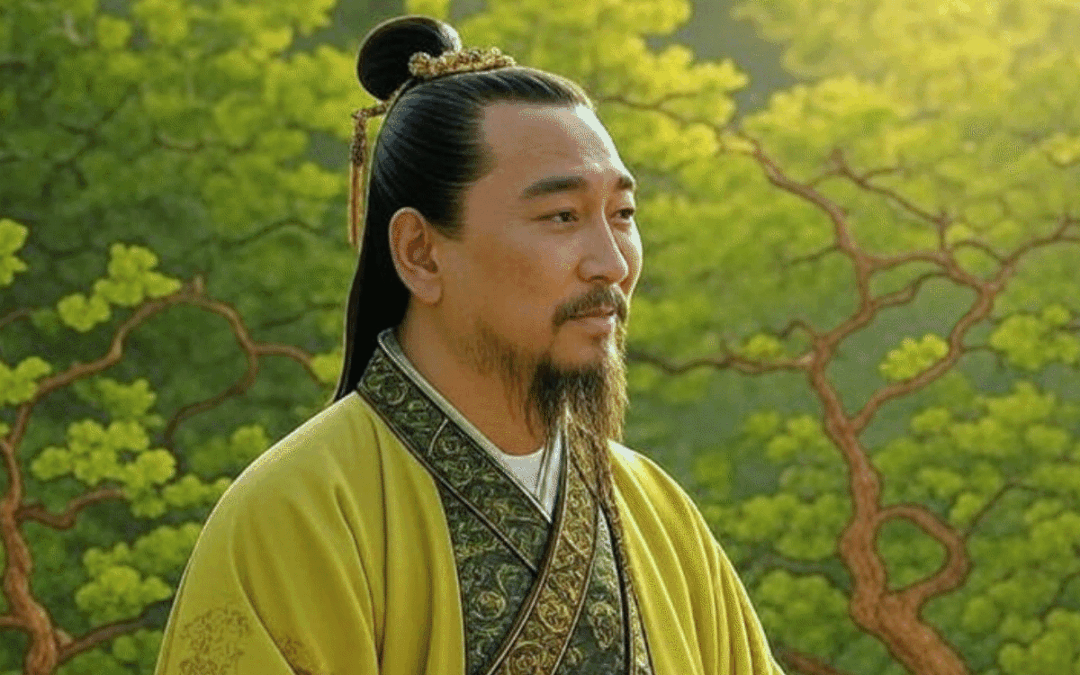
This man was Mencius, or Mengzi (372-289 BCE), considered the second great thinker of Confucianism after Confucius himself. His work, recorded in the ‘Mencius,’ one of the Four Books of the Confucian canon, continues to inspire generations with its belief in the innate goodness of humankind and its vision of a harmonious society founded on virtue.

A heir of Confucius

Born in the state of Zou, not far from Confucius’s birthplace, Mencius grew up in the spiritual shadow of the great master. It is said that he studied under a disciple of Zi Si, Confucius’s grandson, absorbing Confucian teachings which he then sought to defend and adapt to the realities of his time. At a time when China was torn apart by wars and rivalries, Mencius embarked on a journey through the kingdoms, searching for an enlightened ruler, a “wise king” capable of embodying the ideals of justice and benevolence. His dialogues with princes, full of wisdom and sometimes audacity, are recorded in the Mencius, a collection of seven books named after his principal interlocutors.

Unlike Confucius, whose teachings were often austere and focused on ritual, Mencius approached philosophy with a warm humanity, emphasizing the human heart. He believed that kindness was a seed present in every individual, ready to germinate if the conditions were right. This conviction set him apart from other thinkers of his time, such as the followers of Mozi, who advocated universal love without distinction, or those of Yang Zhu, who prioritized individualism. Mencius, for his part, defended a Confucianism rooted in social hierarchies and moral virtues.

A childhood shaped by virtue

The story of Mencius is also that of his mother, a legendary figure in Chinese tradition. Determined to provide her son with an environment conducive to his development, she moved three times to escape harmful influences. In a neighborhood of gravediggers, young Mencius played at digging miniature graves; near the slaughterhouses, he imitated the butchers. Finally, she settled near a school, where the child found a favorable environment for his education.

Another famous story highlights this mother’s wisdom. One day, seeing Mencius return home early from school, she cut in two a piece of fabric she had been carefully weaving. Seeing her son’s astonishment, she explained, “By abandoning your studies, you are doing exactly as I am: destroying precious work.” Moved by this lesson, Mencius returned to his studies with fervor, laying the foundations for his future greatness.

The goodness in the heart of Man

At the heart of Mencius’s philosophy lies a revolutionary idea for his time: that humans are born with an innate moral sense. To illustrate this principle, he evokes a universal scene: if someone sees a child about to fall into a well, their first reflex will be to panic and want to save them, not out of self-interest or fear of judgment, but out of pure compassion. This spontaneous reaction, according to Mencius, reveals humanity’s natural goodness. “Without a compassionate heart, one is not human,” he asserted, making compassion, shame, humility, and discernment the four pillars of humanity.

For Mencius, morality distinguishes humans from animals. But this innate goodness can be stifled by a poor environment or adverse circumstances. Education, therefore, does not consist of imposing strict rules, but of cultivating these natural virtues, like a gardener tending a plant without forcing it to grow. He illustrates this idea with the parable of the Song dynasty man, who, impatient to see his shoots grow, pulled them upwards and destroyed them. To force human nature is to destroy it; education must be patient and respectful of each individual’s pace.

A humanist political vision

Mencius was not content with merely reflecting on the individual; he wanted to transform society. In an era marked by wars and the selfishness of rulers, he advocated for a benevolent government, guided by virtue.

According to him, a sovereign derives his legitimacy from the “Mandate of Heaven,” but this mandate is manifested through the support of the people. A king who neglects the well-being of his subjects loses this legitimacy, and the people have the right to revolt, even to overthrow him.

This audacious, almost revolutionary idea made Mencius a strikingly modern political thinker.

He urged rulers to govern by example, cultivating virtue and educating their people. A prosperous state, he believed, rests on morally educated citizens, capable of compassion and integrity.

Unfortunately, the princes he encountered, more preoccupied with war than with peace, remained deaf to his appeals. Disappointed, Mencius withdrew to devote himself to teaching, training disciples in a private school where he transmitted his ideals.

A timeless legacy

Mencius

“He who goes to the very depths of his heart knows his human nature. To know one’s human nature is then to know heaven.”

The Mencius, with its lively dialogues and accessible anecdotes, remains a major work of Chinese thought.

Translated into French by scholars such as Guillaume Pauthier and André Lévy, it continues to inspire through its faith in human goodness and its call for a just society. In Korea, where it is called “Maeng-ja,” and in Japan, where it is known as “Mǒshi,” its influence endures in education and culture.

Mencius reminds us that morality is not an external constraint, but an inner strength that simply needs to flourish.

In a world often chaotic, its message still resonates: believing in the goodness of humankind paves the way for a better future. Like a well-cultivated plant, humanity can flourish if given the love, patience, and care it deserves.

Obstruction syndromes

Obstruction syndromes

Bi or painful obstruction syndromes

Bi syndromes, or painful obstruction syndromes, are frequently encountered clinical syndromes. They result from the obstruction of meridians by the combination of the “three demons” (Wind-Cold-Dampness) according to Traditional Chinese Medicine (TCM). These syndromes correspond to numerous pathologies in Western medicine, such as osteoarthritis, arthritis, and fibromyalgia, among many others.

Let’s explore these Bi syndromes through the story of Koffi.

The morning everything went wrong

Koffi isn’t a hero, a sage, or seriously ill. He’s just an ordinary man. A 36-year-old freelance graphic designer, he lives in a small apartment surrounded by his plants and his cat, Noodle. Two or three times a week, he runs a few kilometers. He’s gotten used to the aches and pains he regularly feels when he wakes up: “I must have slept awkwardly.”

But one morning, as he put his foot on the floor, a sharp pain shot through his hip. Not violent enough to make him scream, but too precise to ignore. He stretches, shakes his leg, but nothing helps. And Koffi thinks to himself: “It’s official. I’m getting old.” But this pain bothers him; he doesn’t understand its cause. He spends the day limping, searching the internet: “right hip pain upon waking for no reason,” exploring forums, but without success.

That evening, a friend told him about a Chinese doctor who had set up practice nearby, in a small, discreet courtyard. Driven to the limit by fatigue, pain, and no doubt a touch of curiosity, Koffi made an appointment.

At Dr. Shen’s

check syndromes-obstruction

The Chinese doctor is a small, thin man with disconcertingly sharp eyes. His name is Shen. He gestures for Koffi to sit down, then, without a word, takes his wrist and delicately places three fingers on the radial artery. The contact is light, almost imperceptible. Yet Koffi senses something—a kind of intense focus. Dr. Shen closes his eyes.

After a moment, in a calm voice, Shen says, “The Qi isn’t flowing. There’s an invasion of Wind-Dampness.” Koffi, a little embarrassed, coughs, “An invasion… by what exactly? Bacteria? A virus?”

Shen opens his eyes and tilts his head. “No. Perverse energies. External winds. Wind, Cold, Dampness. They’ve entered. Your body has opened the door.” Koffi is a little disconcerted by this explanation, but he feels he can trust this unusual doctor. Shen continues: “You have pain when you wake up, but less when you move?” Koffi nods. “A feeling of heaviness in your leg? The pain moving a little?” Koffi nods again.

Bi syndrome

“Bi Syndrome,” Shen concluded. “A blockage of Qi and Blood in the meridians.” He paused, then said, “We’re going to get it flowing. You’ll see.”

He took out his acupuncture needles and began the treatment. Shen handled them like a calligrapher, with quiet, almost affectionate concentration. He inserted one into Koffi’s leg, just below the knee. Another into the ankle. Then another, near the hip. “You’ll feel like a thread is being pulled taut,” he said calmly. “That’s the Qi. It responds… It comes back.”

Koffi did indeed feel something, a kind of deep tingling. He wanted to know more about this Bi and questioned Shen.
Shen sat up straight: “‘Bi’ means ‘obstruction.’ It’s when something blocks the flow of Qi and Blood. When the body becomes like a city with traffic jams: the streets are there, but nothing moves.” And he explains to him that there are different types of Bi, each with its own personality (see box).

Then he continues: “Those pains we ignore, those little aches and pains that ‘will go away,’ sometimes they’re signs of Bi. And if we let them take hold, they become chronic. They seep in. They eat away at you. And one day, you can no longer lift your arm. Or walk. Or sleep.”

Pain: a signal to be taken seriously

Looking intently into Koffi’s eyes, he said, “It’s not urgent because it’s serious. It’s urgent because it’s minor.” Koffi blinked. “You mean… the more subtle it is, the more attention you need to pay?” Shen smiled for the first time. “Exactly. The body speaks softly at first. Then it cries out. And sometimes it’s silent… but it’s damaging itself.”

Koffi began to understand that Shen’s medicine wasn’t “alternative.” It was an ancient, precise, demanding, yet profoundly human understanding of life.

The treatment finished, Dr. Shen removed the needles and said again, “Pain isn’t the enemy. It’s an alarm bell. It’s your body warning you that there’s an imbalance, that something isn’t circulating properly, or not enough. And that you’ve pushed yourself beyond your limits without listening.” He explains to him that where Qi flows freely, there is no pain. Conversely, where Qi stagnates, pain appears. Pain is Qi knocking at the door because it can no longer pass through.

If this signal is ignored, the pain takes hold, even changing form. And in the long run, if the imbalance persists, illness sets in. ‘Pain,’ Shen concludes, ‘is the body asking for a return to harmony. Don’t silence it. Learn its language. And it will thank you.’”

Leaving the office, Koffi is not “cured.” Not yet.

But he walks differently. Slower. More upright. Like someone who no longer runs from his pain, but listens to it. He is beginning to perceive its hidden meaning.

Key points to remember

According to Traditional Chinese Medicine (TCM), the term Bi means “obstruction.” It refers to a disruption of the harmonious flow of Qi (vital energy) and Blood. This imbalance is often caused by the invasion of external pathogenic factors, called Xie Qi: Wind, Cold, Dampness, and sometimes Heat.

Each type of Bi has specific characteristics:

  • Wind Bi: Migratory, variable pain.
  • Cold Bi: Fixed, deep pain, aggravated by cold.
  • Dampness Bi: Sensations of heaviness, swelling, and numbness.
  • Heat Bi: Intense pain, redness, and inflammation.

Here are some situations that can generate Bi:

  • Irregular sleep and wake schedules, or overwork, injure Qi and Blood, weaken the meridians, and compromise the body’s defenses. This allows external pathogens to penetrate the body.
  • A cold or damp environment, or a profession that exposes one to cold, wind, and dampness, creates conditions conducive to the penetration of Wind-Cold-Damp pathogens into the body.
  • Alcohol abuse, or a diet that is too rich or insufficient, injures the Spleen Qi, leading to the internal production of Phlegm and Dampness, which then circulates in the meridians.
  • Excessive eating injures Jing and Blood. Yin deficiency leads to an excess of Fire, and the Blood is no longer able to nourish the tendons.
  • Stagnation of the Seven Emotions (Anger, Joy, Emotional Shock, Worry, Sadness, Overthinking, and Fear), and Blood stasis in the meridians, are also contributing factors. Bruising or Blood stagnation following external trauma can also occur.

Stagnation

Stagnation

When energy freezes

In the subtle vision of Traditional Chinese Medicine (TCM), life is movement. Qi, Blood, and Body Fluids must circulate freely, like breath through branches, like a stream flowing between stones. This vital flow sustains health, mental clarity, and peace of mind. But sometimes, this current slows down. It swirls without moving forward, becomes murky, thickens… and eventually stagnates.

This phenomenon is called stagnation. It is not a static state, but a gradual, often insidious imbalance that can give rise to most modern chronic ailments. When energy ceases to flow, life becomes heavier, more strained… sometimes painful. This stagnation is at the root of many pathologies.

Repressed emotions

Stagnation can affect different levels. The most frequent is Qi stagnation, particularly in the Liver, the organ that governs the free flow of energy throughout the body. This imbalance is directly linked to repressed, unexpressed emotions, stress, frustration, and even suppressed anger. Modern humans are saturated with it. The signs are often subtle but revealing: tension in the sides, frequent sighing, fluctuating moods, chest tightness, menstrual irregularities, and even depression.

When stagnation persists, it deepens. The Blood, in turn, can cease to circulate harmoniously. This is known as Blood stasis. This type of stagnation is denser and more deeply rooted. It manifests as fixed, localized pain, often nocturnal, and sometimes intense. It is the root cause of many gynecological disorders—endometriosis, fibroids, painful periods—as well as lumps, nodules, and abnormal scarring.

On another level, stagnation can affect bodily fluids, leading to an accumulation of moisture or mucus. This creates a state of physical and mental heaviness: slow digestion, sticky fatigue, a coated tongue, heavy limbs, phlegm, and mental confusion. This is a gentle, slow, invisible—but persistent—stagnation.

When inflammation sets in

Sometimes, the nature of this stagnation evolves further. Excessively stagnant Qi generates heat through friction. This phenomenon is feared in Traditional Chinese Medicine (TCM): the stagnation then transforms into heat. This internal fire can manifest as inflammation, irritability, redness, a sensation of localized heat, or even bleeding or skin disorders. This marks a turning point in the imbalance: at this stage, the blockage is no longer simply trying to release itself—it is attacking.

This stagnant fire can take root in the tissues and develop into complex pathological forms. This is referred to as “phlegm-heat” (Tan Re), a form of pathogenic accumulation that infiltrates the deep organs, forming hard, hot, painful masses. Thus, from the perspective of Traditional Chinese Medicine (TCM), certain degenerative processes such as cysts, nodules, or even tumors can take root not through external aggression, but through unresolved internal accumulation.

This imbalance affects all ages and all social classes. Women are often more susceptible due to the cyclical nature of their blood and their deep connection to the Liver and Uterus. However, men, children, the elderly, and those with sedentary or hyperactive lifestyles are also at risk.

Signs of stagnation

Because stagnation doesn’t arise directly from a lack of physical movement; it primarily stems from emotional imbalances.

  • The Liver governs anger and emotional flexibility. Its stagnation hinders adaptation and mental fluidity.
  • The Heart governs the spirit (Shen); persistent stagnation disrupts the Shen.
  • The Spleen, weakened by excessive rumination or worry, can produce Phlegm that blocks the mind.
  • The Kidneys, in cases of deficiency, can deprive the Heart and Liver of their Yin or Yang foundation.

It’s possible to experience this stagnation before it becomes pathological. Heavy digestion, a slightly purplish tongue, diffuse aches and pains, disturbed sleep, and an irregular menstrual cycle are signs of stagnation. Similarly, a constant need to sigh, and a feeling of blockage in the throat or solar plexus are also signs.

A suitable diet

In Traditional Chinese Medicine (TCM), stagnation is treated with herbal medicine, acupuncture, and, of course, diet. What we eat is not only matter but also information. A suitable diet can prevent stagnation or dissipate existing stagnation.

When Liver Qi is blocked, a light, ascending spring diet is recommended. This promotes free circulation. Green vegetables, sprouts, aromatic herbs such as mint, white radish, celery, citrus fruits, and light green tea are powerful allies. Conversely, excess fats, red meat, refined sugar, or alcohol worsen internal pressure.

When Blood stagnates, a blood-vitalizing diet is recommended. Red foods, which are nourishing and blood-thinning, are most suitable: beets, black rice, quail eggs, goji berries, carrots, and a touch of natural red wine. Anything cold, processed, or too salty should be avoided.

A personalized treatment

To combat dampness stagnation, often linked to a weakened Spleen, a drying and warming diet is preferred. Red beans, lotus seeds, pearl barley, dried ginger, white pepper, and steamed root vegetables are recommended. Dairy products, bananas, cold raw vegetables, and sugary juices are the main culprits in this process.

And when stagnation has already transformed into heat, it is necessary to soothe while simultaneously draining: lotus, chrysanthemum, white peony root, cooked cucumber, celery, bitter melon, and clear soups made with light legumes can then complement a more comprehensive strategy of gentle detoxification. Fire is not fought with cold, but with cool, orderly dampness.

However, the best results will be obtained by combining the various tools of Traditional Chinese Medicine (TCM), with a personalized diagnosis and treatment plan. It will often be valuable to add emotional support and physical exercise, or even qi gong.

Cultivate a calm mind

Emotions therefore play a major role in the development of stagnation. Depending on the emotion involved, it will manifest in the organ to which it is connected.

Thus, excessive joy—or excitement—leads to stagnation of qi in the heart. The heart may begin to beat irregularly or too rapidly. This can also lead to hypertension, insomnia, a restless mind, etc.

Anger leads to stagnation of Liver qi, the main organ responsible for the free flow of qi throughout the body. This can lead to vision problems, diarrhea, dry and brittle nails, tinnitus, dizziness, and headaches. This stagnation—or overpressure of Liver qi—is also the cause of premenstrual syndrome or depression. According to the Yellow Emperor’s Classic of Internal Medicine, pain in the body is a direct result of anger interfering with the flow of Qi in the Liver.

Persistent thoughts or mental rumination can lead to stagnation of Qi in the Spleen and a loss of its vitality. This can result in decreased appetite, bloating, mental fog, and an inability to solve problems.

To remedy this, it is therefore important to be aware of our emotions, to be conscious of them, and not to let them control us. By cultivating a calm mind daily, we can limit the risk of emotional outbursts and, consequently, stagnation.

Diagnosis in TCM

Diagnosis in TCM

An ancient and subtle art

In a small consultation room bathed in subdued light, Maître Liang, an elderly practitioner of traditional Chinese medicine (TCM), is carefully observing his patient. Not a word has yet been exchanged, but already many clues are revealing themselves before his trained eyes. Because in TCM, diagnosis is an art as subtle as it is profound, going far beyond the apparent symptoms.

A legacy of Chinese wisdom

Traditional Chinese medicine does not simply identify an illness; it seeks to understand the individual as a whole. Every pain, every sensation, every bodily change is perceived as a message from the body, revealing a deeper imbalance.

Qi, the vital energy that circulates through the meridians, blood and body fluids, must flow harmoniously.

When an imbalance arises, the body speaks… You just have to know how to listen

magnétiseur

Observation (望诊, Wàng zhěn)

First of all, without saying a word, Maître Liang observes every detail:

  • The complexion and colour of his patient’s face, which mirrors his internal state.
  • The tongue, a veritable map of the organs, whose colour, shape and coating reveal any imbalances.
  • The eyes, skin and nails, which provide information about vitality and the state of the Blood.

    Auscultation (闻诊, Wén zhěn)

    Experience has also taught him to listen and feel. For example, the voice will be weak when there is a deficiency of Qi. It will be hoarse or loud if there is too much fluid.

    He observes whether breathing is fluid or, on the contrary, jerky or wheezy.

    Similarly, strong body odour is a sign of excessive heat or digestive problems.

    Palpation (切诊, Qiè zhěn)

    magnétiseur

    Next comes palpation. This includes :

    • Taking the pulse (脉诊, Mài zhěn), which reveals the state of the organs by assessing the depth, rhythm and strength of the beats.
    • Palpation of acupuncture points, whose sensitivity reflects energy blockages.
    • Palpation of the body. The temperature and texture of the skin reveal the state of Yin and Yang.

    Palpation (切诊, Qiè zhěn)

    Next comes palpation. This includes :

    • Taking the pulse (脉诊, Mài zhěn), which reveals the state of the organs by assessing the depth, rhythm and strength of the beats.
    • Palpation of acupuncture points, whose sensitivity reflects energy blockages.
    • Palpation of the body. The temperature and texture of the skin reveal the state of Yin and Yang.
      magnétiseur

      Interview (问诊, Wèn zhěn)

      Now that he has a general idea of the situation, Master Liang asks his patient a few questions about :


      • His medical and emotional history.
      • Lifestyle: diet, sleep, sources of stress, etc.
      • Body sensations: pain, shivering, digestion, elimination.

      A personalised diagnosis

      Finally, Master Liang closes his eyes for a moment and thinks… he analyses:

      • The general nature of the imbalance: Yin or Yang.
      • The extent of the imbalance: Superficial or Profound.
      • The presence of excess heat or cold. It may be the opposite, in fact; we speak of lack, emptiness or insufficiency. The same applies to energy.

      Each diagnosis is unique. The same symptom can have several origins, and only a careful look can identify the root cause.

      Tailor-made treatment

      By cross-referencing the information gathered through these different stages, Maître Liang makes his diagnosis and puts in place a treatment strategy to restore harmony:

      • Acupuncture will unblock the meridians and restore the circulation of Qi.
      • Chinese pharmacopoeia will prescribe plants and minerals to restore balance.
      • Therapeutic nutrition will adjust the diet to strengthen deficient organs.
      • Qi Gong and Tai Chi will help to get the energy flowing.

        The Pulse Melody

        Among all these methods, pulse-taking (see box) takes pride of place. Three positions and two levels (superficial and deep) are analysed on each wrist, providing invaluable information about the organs and meridians.

        Like a musician tuning his instrument, he listens to the melody of the beats, looking for the discordant note.

        As you will have gathered, for Maître Liang, diagnosis is much more than a simple clinical examination; it’s an in-depth reading of the body, an interpretation of the signs that the body is constantly sending out. Every patient is an enigma, every consultation a journey through the body’s energy flows.

        By understanding these subtleties, we realise that Chinese medicine is an art, an art of listening, observing and seeking harmony in all its complexity.

        Pulse diagnosis


        Hipocrate

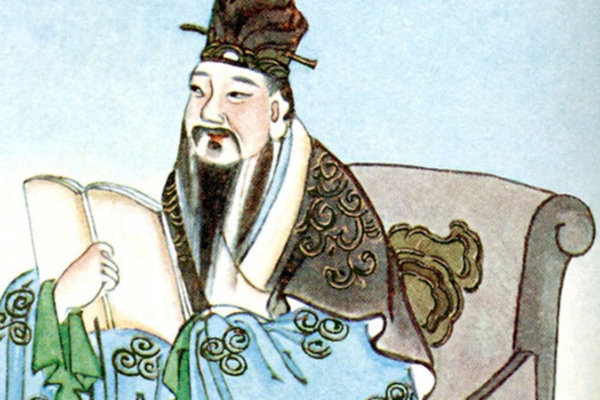
        Chinese pulse diagnosis, or mai zhen (脈診), is a fundamental diagnostic method in traditional Chinese medicine (TCM). Its origins date back thousands of years, with ancient texts such as the Huangdi Neijing (黃帝內經) describing its principles.

        This technique developed during the Han Dynasty (206 BC–23 AD) at a time when respect and modesty required doctors to have minimal physical contact (especially with the Empress!).

        Using six pairs of points spread over three areas of each wrist and on two levels (superficial and deep), the practitioner listens to the harmony and quality of the pulse, much like a musician checks that an instrument is in tune.

        The practitioner feels the radial artery at the wrist in three positions (cun, guan, chi) corresponding to different organs. They assess the depth, rhythm, strength, shape, and other characteristics of the pulse, which provide information about energy imbalances and the possible presence of pathogenic factors.

        There are 28 pulse shapes (slippery, rough, tense, etc.) classified into four categories: deep or superficial; fast or slow; long or short; thin or wide.

        Pulse diagnosis is used in conjunction with other diagnostic methods (observation, questioning, palpation) to establish a complete energy assessment.

        It is particularly useful for evaluating the functions of internal organs and the state of Qi, blood, and body fluids.

        Taking the pulse is a complex skill, a subtle art that requires a lot of practice and keen listening.