Body fluids, or Jīn yè

Body fluids, or Jīn yè

Functions of body fluids according to TCM

Organic fluids, or Jīn yè, are, like qi and blood, an essential and omnipresent substance in the body. Their role is to maintain all of the body’s physiological activities.

According to Traditional Chinese Medicine (TCM), the sources of organic fluids are food and drink. These are digested by the stomach; the small intestine separates the pure from the impure. The spleen transforms and distributes these fluids. The more ethereal or vaporized part of these fluids rises to the lungs, which diffuse them. Some will be diffused through the skin (sweat). Another part of these liquids (more dense) will descend to the Kidneys and Large Intestine, which will carry out other separation processes for elimination (urine for the kidneys and stool for the large intestine).

The process of separating the pure from the impure is carried out through various processes:

  • the digestive and absorption capacities of the stomach,
  • the separation process of the small intestine,
  • the transformation and distribution function of the spleen.

The spleen transports organic fluids to the lungs, which regulate and control the “passage of water.” Thanks to their dispersal function, the lungs distribute fluids throughout the body, providing nourishment and hydration.

The lungs also eliminate some of the fluids in the body through respiration. In the “water metabolism,” it is the kidneys that play the decisive role. The functions of the lungs, stomach, spleen, small intestine, and three heaters depend entirely on the boosting effect of kidney qi.

Two types of bodily fluids: Jīn and yè

In addition, organic fluids are governed by the Kidneys due to the transformation and vaporization of qi, so that the clear parts are reused, while the cloudy parts are transformed and excreted in the urine.

There are two types of fluids or organic liquids: Jīn (such as sweat) and yè liquids (which are denser).

  • Jīn, which are very clear and fluid, are used to nourish and moisturize the skin and muscles. They give shine to hair and body hair. They are controlled by the Lungs. They circulate with Qi (called protective qi here).
  • Yè, which are thicker and more viscous, are much richer and directed towards the deep organs. They nourish the bones, marrow, viscera, brain, etc. They lubricate the joints and moisturize the inside of the body. They are controlled by the middle warmer and circulate with nourishing Qi.

The condition of organic fluids (Jīn yè) is essential. They play a role in moisturizing, nourishing, neutralizing toxins, and regulating body heat.

From the perspective of Chinese medicine, fluid metabolism consists of various repeated processes of separating pure and impure liquids.

Our body seeks to guide or eliminate pure fractions upwards and outwards and to bring impure fractions (cloudy matter not essential to the body) downwards for elimination.

In summary, we can say that the trio of the lungs, spleen, and kidneys forms the basis for the transport, transformation, and excretion of organic fluids.

Thus, edema, skin conditions, perspiration disorders, joint and bone damage, etc. are directly related to the malfunctioning of these processes.

Maintaining a good overall balance of Qi

In TCM, diagnosis does not directly concern organic fluids, but rather the study of the quality of Qi. When organic fluids are not produced correctly, there is a lack of blood or stagnation of Qi. There is also heat invasion, profuse sweating, or repeated vomiting.

This leads to the appearance of pathogenic phenomena (the first symptoms of a disease) such as:

  • Dry skin, eyes, nose, or mouth,
  • Constipation,
  • Invasion of dampness (edema, water retention, etc.) or even phlegm (sputum, etc.).

In principle, if the Qi and organs are functioning properly, bodily fluids regulate themselves. In the event of any dysfunction, treatment of the spleen, stomach, and kidneys is always recommended.

By paying attention to our lifestyle, we can maintain strong defensive Qi. This involves a healthy diet, exercise, adequate rest, a peaceful, stress-free environment, and therefore good management of our emotions, practicing an art, etc.

In Chinese medicine, there are six energies (Liù Qì; 六气) that are part of human life. This is because humans are in constant contact with them. These energies can only become harmful if they are in excess. The six energies are:

  • Wind (fēng; 风)
  • Cold (hán; 寒)
  • Heat (rè; 热, which can become: huǒ; 火 = fire)
  • Humidity (shī; 湿)
  • Dryness (zào; 燥 or hàn; 旱)
  • Heatwave (kùshǔ 酷暑 or shǔ; 暑)

When one of these six energies is in excess, it will undoubtedly have harmful effects on our body. To preserve our defensive balance, we use a few acupuncture sessions. Sometimes one is enough. For those who prefer it, we prescribe pharmacopoeia recipes tailored to each individual according to the balance to be restored.

Organs and their role in this process

  • STOMACH:
    The source of body fluids.
  • SPLEEN:
    Transforms and transports.
  • LUNGS:
    Regulates the “passage of water.”
  • KIDNEY:
    – Provides the spleen with the heat needed to transform fluids.
    – Assists the small intestine in its fluid separation function.
  • BLADDER:
    Separation of pure/impure fluids; urinary excretion.

The kidneys, the root of life

The kidneys, the root of life

An essential role in longevity

In Chinese medicine, the kidneys have an essential place. Indeed, these two precious organs manage and generate our vital energies.

In traditional Chinese medicine (TCM), the function of the kidneys is referred to as Yáng energy. The organ itself is referred to as yin. The Kidneys as a system are the major source of the overall vital energy (yin and Yáng) of the whole body. When the energy of the kidneys is totally depleted, death occurs.

The kidneys store the essence responsible for the development of the embryo, birth, growth and fertility. The quality of this essence will impact the fundamental energy balance of the individual. The Kidneys are therefore our foundation.

In TCM, the essence of the Kidneys is called the Jing.  The term “Jing” refers to an ethereal, purified substance, an essence. The term refers to extraction, but also to the perfect, the excellent, the subtle. Jing is the quintessence of vital energy (Qi). The Jing associated with the original Qi plays a catalytic role in the formation of blood and marrow. This quintessence is a vital force received before birth and concentrated, preserved and stored in the kidneys.

Jing comes from two sources:

  1. The prenatal essence, which is the Jing inherited from the parents (innate Jing)
  2. The postnatal essence, which is the Jing drawn from food and air (acquired Jing).

The innate Jing, which comes from the sexual essences of the father and mother, is present from the moment of fertilisation. It conditions the child’s vitality, development, health and immunity.

Mìng mén: the gate of life, or gate of destiny

Acquired Jing comes from the subtle essences extracted from food by the spleen and stomach, and from the air by the lungs. When the postnatal Jing is abundant, it is stored in the Kidneys and maintains and nourishes the prenatal Jing.

The essence of the Kidneys conditions the whole of a person’s life: from growth in childhood to maturity in adulthood, but also later on, when illnesses may occur, and until death. More generally, it can be said that vitality and longevity depend on the quality of this essence.

Mìng mén or “Gate of Life” is also called the gate of destiny (命门). Mìng mén is a place materialized by an acupuncture point located at the 3rd and 4th lumbar vertebrae. This is where the innate Jing, the foundation of Life, is stored. It is the root of the original Qi (Yuan Qi) and the source of the fire minister xiāng huǒ ( 相火). To put it simply, we will say that the ministerial fire belongs to the San Jiao or three foci (lower, middle and upper), and in particular to the lower focus. This is the seat of the ministering fire which acts on the maintenance of the viscera’s functionality. It warms the lower focus, maintains the sexual functions, helps the kidneys in their function of controlling the reception of Qi.

Mìng mén is also considered the Palace of Water and Fire. These two notions are assimilated to the Yin and Yáng aspects of the Kidneys. If the Fire of the Gate of Life is insufficient, the Original Qi cannot flourish, resulting in a general vacuum of Qi and Blood.

The kidneys govern the waterway

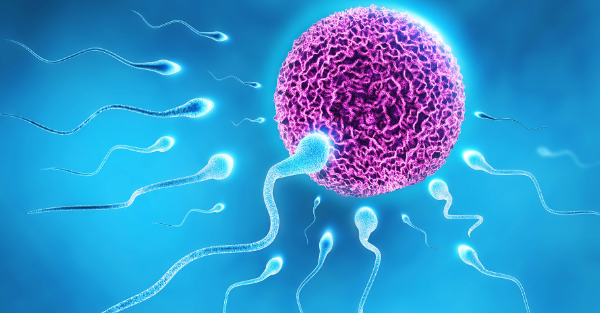
The Mìng mén is where the sperm and egg reserves reside, referring to the genital, sexual, and reproductive functions of the kidneys. Here we find the concept of a gate, as the fertile essence exits the man to enter the woman.

In TCM, the kidneys govern the waterway. They regulate urination and supply energy (Qi) to the bladder so that it can excrete urine.

The kidneys, through their function of governing the waterway, regulate the separation of pure and turbid in the small intestine, large intestine, and bladder. The kidneys support these three organs in their filtering role. This is why excessive medications such as antibiotics ultimately damage and weaken the essence stored by the kidneys.

By warming fluids, the Yang of the kidneys circulates them and helps prevent edema, which is a buildup of water. In addition to their role as regulator and filter, the kidneys control the heart, since water controls fire in the theory of the 5 elements.

Repeated physical exertion, overwork, old age, sexual excess in men, and closely spaced pregnancies in women weaken the kidneys. Added to this may be other imbalances such as blood or energy stagnation, as well as exposure to external pathogens: humidity, cold, and heat. It is necessary to establish an energy balance based on each person’s symptoms.

Pain may appear in the lumbosacral area, sometimes radiating to the lower limbs (knees). In TCM, the lower back is the roof of the kidneys; thus, kidney deficiency is the root of all lower back pain.

Sexual Dysfunction and Kidney Energy

The kidneys control the sphincters, controlling their opening and closing.
If kidney energy is weak, retention is difficult. It is said that kidney energy is not strong. This can lead to symptoms of urinary or fecal incontinence, frequent and nocturnal urination, and dribbling after urination.

Urinary incontinence results in uncontrollable and involuntary loss of urine, which occurs day or night. Urinary incontinence is more common with age. But it can have other causes, such as a weakened perineum, prostate problems, or chronic health issues.

Today, sexual dysfunction and desire disorders are common. They affect everyone and occur at any age. These can be explained in particular by an inadequate lifestyle (constant stress, frustration, emotional disturbances, and/or an unhealthy diet).

The main forms of male sexual dysfunction are:

  • Erectile dysfunction
  • Lower sexual desire
  • Premature ejaculation

    However, here again, certain health problems such as diabetes, high blood pressure, depression, and certain medications can cause sexual dysfunction.

    As a reminder, Kidney Yang’s function is to warm the essence. It therefore promotes sexual function. It is Kidney Yang that provides the energy for erection and is partly responsible for desire. Cases of general or sexual overwork lead to a deficiency of essence, which in turn leads to a deficiency of Kidney Yang.

    Sexual function is also linked to the Heart. When Kidney Yin is deficient, the Heart is not refreshed by the Yin, and the Heart Fire no longer descends. This can also cause sexual dysfunction.

    Taking care of kidney energy

    In Traditional Chinese Medicine (TCM), the kidneys are associated with winter. It is therefore particularly important to support kidney energy in winter. Moreover, as we have seen, the kidneys are the reservoir of our vital energy, our internal battery.

    It is therefore important to take the greatest care of them. Winter is a season when it is important to take care of yourself, including resting and sleeping more than during the rest of the year.

    It is advisable to eat and drink warmer foods, particularly in countries where winters are cold, and to protect your lower back from the cold.

    This being the most yin season, it encourages you to stay indoors and engage in calmer, more internal activities.

    The main foods that will tone kidney Qi are oilseeds (especially walnuts), red beans and azuki beans, and black sesame (which can be sprinkled on all dishes or incorporated into desserts as a paste).

    You can also consume cinnamon, which has a very warming effect. Ginger is also beneficial, as it warms and aids digestion.

    In TCM, the kidneys are associated with the emotion of fear. Therefore, to take deep care of your kidneys, it’s important to distance yourself from this feeling of fear. For this, activities requiring strong self-control, such as rock climbing, martial arts, etc., are highly recommended. They all have the ability to build self-confidence. Thus, you gradually learn to distance yourself from your emotions.

    Impact of emotions

    Impact of emotions

    Taming our emotions

    In a recent article, we explained how emotions can affect our health and be an obstacle to our full health. So, what can we do to avoid this? We will see how to tame our emotions so that they become our life partners and stop harming us.

    How to regulate emotions

    Ancient texts recommended regulating emotions by pursuing activities that soothe the mind. They also advised finding constructive outlets for emotions, especially anger. Finally, they emphasized the importance of developing a fulfilling life, one that allows for both contentment and compassion. This advice is still relevant today, and we will explore it in more detail.

    Controlling and regulating emotions requires first being aware of them. This seems obvious, but experience shows that many people are not. This is particularly true with the emotion of anger, the expression of which is increasingly taboo in our society. It has long been taboo in Asia. So, instead of recognizing and expressing this emotion, we hold it back. It becomes then unconscious and is projected onto those around us. Therefore bringing emotions back to consciousness is a major step on the road to healing.

    Maintaining Peace of Mind


    According to ancient Chinese medicine texts, a healthy mind is considered the foundation of health and longevity. The mind acts as the rudder of life and therefore controls all physiological functions.

    TCM identifies two types of mental activity: emotional and mental. Thus, caring for the mind means calming one’s thoughts and regulating one’s emotions.

    A tranquil mind is believed to be peaceful, free from excessive desires and distracting thoughts. It is unaffected by external changes.

    Taishang Laojun’s ancient book Health-Preservation Skills identifies “six harmful elements”, namely:

    fame and profit, the desire for which should be suppressed;

    sexual desire, which one should not allow oneself to be controlled by;

    wealth, for which one should not be greedy;

    rich food, which one should not eat in excess;

    unrealistic fantasies, which must be eliminated because they distract thoughts from reality and are harmful to the mind;

    jealousy, or envy, which should also be eliminated;

    laziness, against which we must “wag war.”


    A healthy lifestyle

    The Canon of Medicine (Nei Jing), a major classic of TCM, advises: “Do not let yourself be weighed down by perplexed thoughts; strive to be calm and optimistic; be complacent (calm in the face of situations that may cause anger); and keep the sound in body and mind. In this way, one can live to the age of 100.” Let us recall here the basic principles of a healthy lifestyle:

    • Eat at the right time (regular mealtimes);
    • Eat appropriate foods (balanced diet, quality and quantity);
    • Drink regularly, enough but not too much;
    • Engage in regular intense exercise;
    • Retain a good balance between activity, leisure, and rest.

    Indeed, this healthy lifestyle will help maintain good vitality and a smooth circulation of blood and therefore qi. This will thus promote the balanced functioning of our organs. Because of the relationship between organs and emotions, the more balanced our physical body is, the more stable our mind and emotions tend to be.

    Healing tools

    Emotional imbalance is not inevitable. As soon as we become aware of recurring emotional excess, we can take action to rebalance it. Here are some effective tools for treating emotional disorders and stabilizing the mind.

    Medical help

      • Chinese medicine: acupuncture, herbs, dietetics;
      • Psychological help. When the roots of excessive emotion are deep or unconscious, psychological work may be necessary.

    Healing activities

      • Qi gong, taiji chuan, martial arts;
      • meditation;
      • yoga (becoming a yogi, not a yoga practitioner);

    A healthy daily attitude

      • These tools will be more effective if we take care of our behavior in our daily lives. This means developing awareness and cultivating a positive mindset. Indeed, it’s no coincidence that “positive thinking” and “law of attraction” techniques are fashionable these days. They adapt to our needs in this society.
      • “Be kind and compassionate” is what the ancient Chinese masters recommended. Kindness and compassion nourish the heart, the emperor of organs. Thus, a “good heart” is a factor of stability and health.

    Achieve a fulfilling life

    To have a peaceful mind, we must therefore find our path to a fulfilling life. This means nourishing all areas of our lives, through:


    •  an activity we love (professional or not);
    • practicing activities that uplift the spirit and bring joy (music, dance, qigong, tai chi, yoga, or any other type of art), various games;
    • spending time in nature, gardening, or caring for animals;
    • developing harmonious relationships, including a fulfilling sexuality.

    The challenges of our life

    More and more of us are facing a major challenge: “I am frustrated in my work. I don’t feel good there. Is there any way I can improve my work environment to feel better? Or should I leave it as soon as possible, risking financial insecurity.” This challenge often comes down to this crucial choice: health or money?

    There are others, related to our environment and lifestyle, that rob us of full fulfillment:

    • Frustration and dissatisfaction. These frustrations can be found not only in our work but also in our family life, in our relationship with our children. Excessive pressure & lack of time do not favor a harmonious life.
    • Urban life. Many of us live in big cities. Therefore we are disconnected from nature, which is however a major source of balance, resourcefulness and peace.
    • The rhythm of life. It is mainly based on work and the need to earn money. It ignores the biological and natural needs of the human being and thus goes against his blooming.
    • Lack of spirituality. The spiritual aspiration, which is part of our natural balance, is neglected nowadays.

    To face these constraints sometimes subjects us to real emotional storms. It will then prove necessary to seriously question our way of life.