The emotions

The emotions

A major role in our health

The human being is a fundamentally emotional being. Our environment, our relationships, the difficulties we go through condition our mood. Our emotions, if they overwhelm us, can make life difficult for us. What is less known is that they have a direct impact on our health.

Chinese medicine has always included emotions in its diagnosis and therapy. Because our health also depends on our emotional balance. Therefore, any chronic emotional imbalance is a factor of disease. Today, there are countless disorders caused by emotional disorders.

We are sensitive beings. Through our five senses, we are connected to our environment and interact with it constantly. We are affected by what we see, hear, smell or touch… Scents, images, sounds are all vectors of information. This information will generate feelings, emotions. Hearing a car alarm breaking our ears will trigger irritation, while a melodious bird song will make us happy.

The way we react to these external factors depends on our own filters, which are themselves linked to our personality and our history. For example, a love song will stimulate joy in someone who has danced to it with a loved one. But it may awaken sadness in another person who listened to that song on the day a loved one left.

A perpetual bath of emotions

How we react to these external factors depends on our own filters, which are themselves linked to our personality and our history. For example, a love song will stimulate joy in someone who danced to it with a loved one. But it could awaken sadness in someone who was listening to the song the day a loved one left them.

Moreover, we live in society and are also affected, whether we feel it or not, by the emotions of those around us. Let’s realize how contagious laughter is! This is true for joy, but it’s also true for fear, sadness, and of course, anger.

Chinese medicine identifies two main causes of illness: external and internal. The external cause includes social relationships, the weather, and the influence of pathogens, while the internal cause is attributed to emotions.

happy friends

Emotional imbalances

In TCM, each emotion is linked to an organ. Therefore, an emotion experienced excessively or for too long can create an imbalance in the functioning of the associated organ, and vice versa. A weakened organ will generate an emotional imbalance.

The pathologies caused by an emotional imbalance will therefore depend on the emotion in question.

Of course, it is natural, and even healthy, to feel and express the full range of emotions. An emotion only becomes a source of imbalance if it is:

  • experienced over a prolonged period,
  • or with particular intensity,
  • repressed.

TCM identifies five main emotions, each associated with an element and an organ. They are briefly described below (you can explore them in more detail by clicking on the link).

Anger

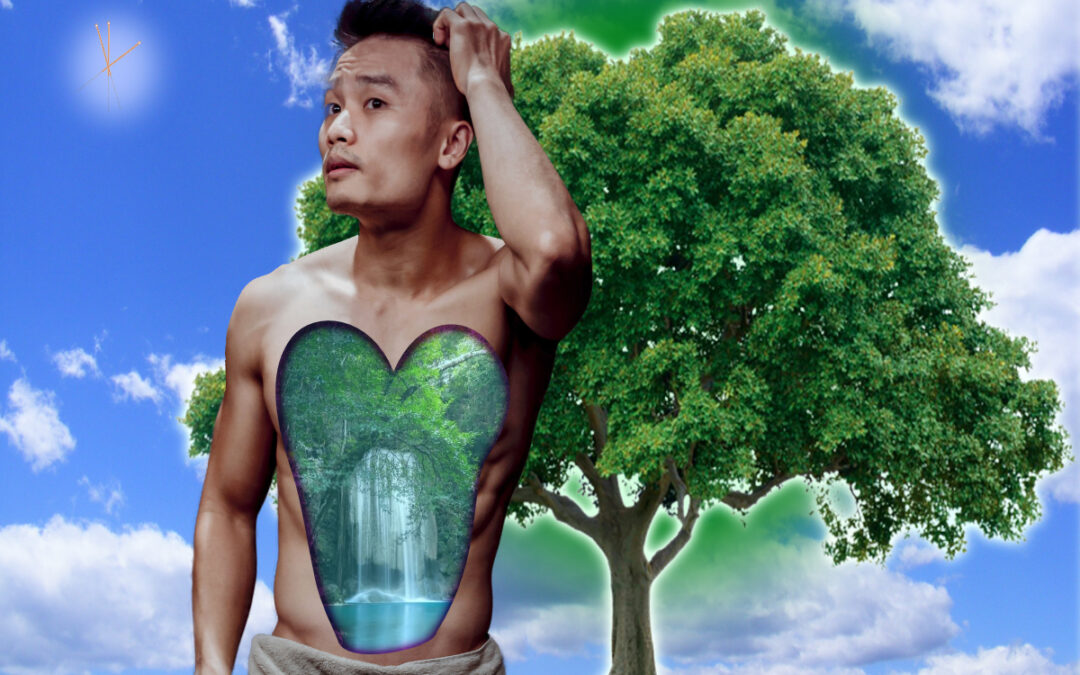
Anger is related to the wood element, and to the liver. It is a rising energy, powerful and explosive.

By its nature, anger causes a rise in energy (qi), which manifests itself as a red face. It should be noted that many people do not admit that they are angry. However, those around them will sense the anger emanating from them. Psychopaths as another example are very good at projecting their anger onto their victims and making them explode. Chinese medicine calls this energy surge “liver fire”. This often leads to headaches.

Joy

Joy is related to the element of fire, and to the heart. It is an energy that radiates, like the sun.

Joy does not cause trouble, but over-stimulation or over-excitement is a sign of a malfunctioning heart. Thus a person who only seeks pleasures in life (partying, overeating) may develop heart imbalances with palpitations, anxiety and insomnia because the heart is the seat of the mind (Shen). This may manifest itself in excessive or inappropriate laughter.

Anxiety

Anxiety or worry is associated with the earth element, and the spleen. Mental rumination, excessive worries or thoughts are signs of an imbalance of the earth element.
This can result in digestive disorders, sleep disorders, difficulties in concentrating or remembering, menstrual cycle disorders, and even chronic fatigue. This is one of the most common emotional imbalances, especially in this day and age when the intellect is overstretched.

Sadness

Sadness is associated with the metal element, and the lungs. It will therefore primarily affect the lungs, causing fatigue, shortness of breath, crying or depression.

Fear

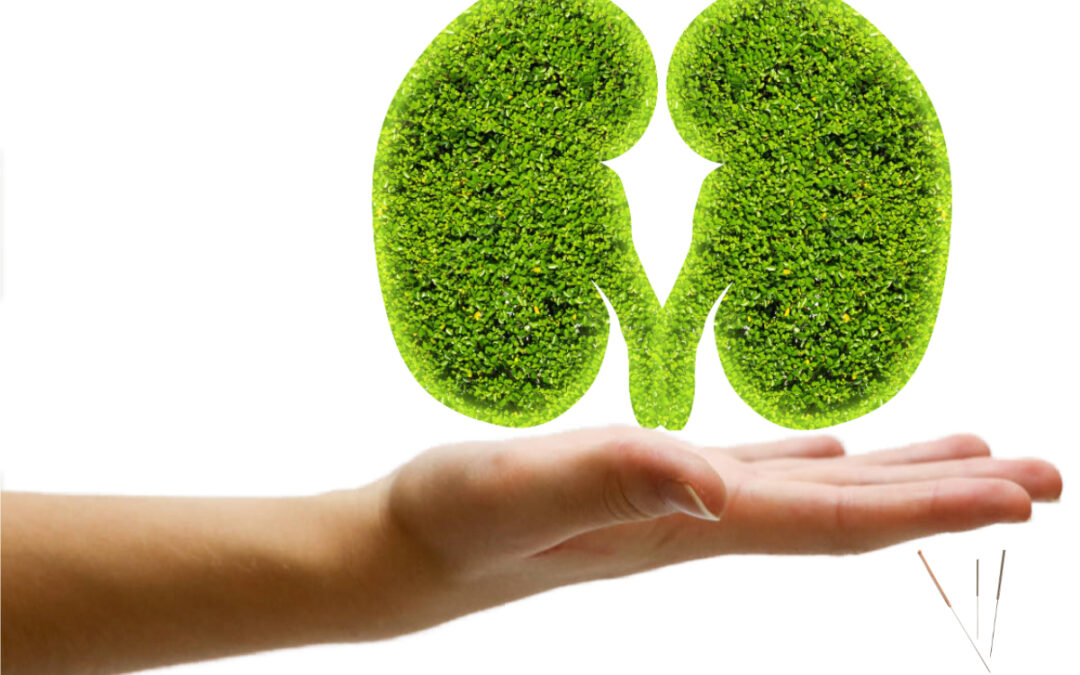
Fear is associated with the water element, and the kidneys. Chronic fear, which can be likened to anxiety, can eventually exhaust the kidneys. This leads to fatigue and back pain, two very common manifestations. Today, the media conveys fear en masse. As a result, many people are insecure about their professional or financial future.

Extreme fear can lead to uncontrolled urination. In children, this can also manifest itself as bedwetting, which is related to insecurity and anxiety.

Treatment

Chinese medicine will treat these imbalances by using one or more of its techniques: acupuncture, medicinal plants… This will have a beneficial impact on the patient’s emotional state.

However, if the patient is experiencing a situation that maintains the imbalance, it will be difficult to heal in the long term. He will then have to implement solutions to reduce the triggering factors and also learn to manage his emotions.

We will come back in detail on the solutions for a better emotional balance in a future article.

The emotional shock

choc émotionnel

Emotional shock results from a traumatic event that overwhelms the person affected. The person is directly affected emotionally. This trauma can cause significant after-effects in the more or less long term. It often encourages a slow slide into depression.

An emotional shock will be linked to an event: mourning, accident, family problem, disappointment in love… It will be expressed in different ways: either a psychic stupefaction, or a disordered agitation. The individual, under the shock, can also be subject to a psychic dissociation. He will then function in robot mode without any reflection.

Moreover, if the emotional shock can be forgotten in a few hours or days, it can be reactivated several months later, following a new triggering event. This is called post-traumatic stress disorder.

This shock, depending on the emotion generated, will profoundly affect the related organ.
In case of great fear, the kidneys will be affected. The kidneys are one of the most important organs because they are the basis of our vital energy. In case of sadness, the lungs will be affected first. As all the organs are interconnected, other organs will become unbalanced and pathologies may appear.

For example, there will be lower back pain, even herniated discs or sciatica. For others, the respiratory system will be affected. Some people will feel suffocated in certain situations. Introverts may experience digestive system dysfunctions.

The anxiety

The anxiety

It is associated with the Spleen in TCM

Anxiety is related to the element Earth, and to the organ of the Spleen. It covers the following range of emotions: worries, obsessive thoughts, worry, mental rumination, intellectual overwork etc.

The Spleen is located in the left hypochondrium. In TCM, the Pancreas is attached to the function of the Spleen and forms an energetic couple with the Stomach, both belonging to the Earth element.

Anxiety, called “Jiao Lu” in Chinese medicine, is a state that everyone may experience occasionally when faced with a difficulty in life. However, if this state is persistent and repeated, it can seriously affect daily life. At this point, we speak of neurosis or psychological disorders.

Apart from the phenomenon of unjustified intense fear, in pathological anxiety states various symptoms are observed such as difficulty in concentrating, memory loss, sleep disorders, irritability, sweating, palpitations, shortness of breath, discomfort in the chest, etc. People with anxiety are no longer able to solve their problems themselves.

Excessive intellectual work, for example in students, as well as excessive worry, often causes a dysfunction of the Spleen/Pancreas by tying up the Qi. Conversely, a Spleen/Pancreas imbalance will tend to make the person anxious.

The spleen houses the Thought (Yì 意)

Indeed, TCM considers that the Spleen houses Thought (or Yi). It is thanks to it that we can concentrate, memorize, and reflect. If the Qi of the Spleen is weak, these functions become difficult. Reflection can turn into mental rumination. When the Yi is correct, the brain understands and analyzes with ease, it memorizes easily. If the Yi is deficient, memory will be weak and conceptualization difficult. Finally, a disturbed Yi can generate melancholy, a dwelling on the past.

The main symptoms of an emptiness of the Spleen Qi are:

  • Mental weariness,
  • Rumination of thoughts (looping),
  • Worrying,
  • Mental confusion,
  • Physical fatigue,
  • Difficulty falling asleep,
  • Loose stools,
  • Lack of appetite.
Femme épuisée

Functions of the spleen

The spleen transports and distributes nutrients throughout the body. It extracts qì from food to extract pure qì, brings it up to the lung to form, together with qì extracted from the air breathed, the complex qì zōng qì (宗气) usable by the body. From the chest, the zōng qì is divided into yíng qì (营气, nutritive qì) and wèi qì (卫气, defensive qì), which are then distributed to the rest of the body.

Having separated the pure from the impure from the substances received from the stomach, the Spleen thus brings up the pure, and down the impure parts to the small intestine, then the large intestine and the bladder for elimination. This is why it is called the “patron saint of digestion and appetite”.

The Spleen also has the function of controlling the blood and keeping it in the vessels. If the energy of the Spleen is low, there will be a tendency to hematoma, or hemorrhage. The Spleen plays an important role in balancing menstruation for women. If the Spleen is empty of qi, it will not produce enough blood, so the Liver will not store enough blood or the uterus will lack blood. Menstruation will be absent or scanty. If the Spleen Yang is weak, this will lead to heavy or bleeding menses, as the Spleen lacks the strength to keep the blood in the vessels.

Spleen and muscular tonus

The Spleen holds the organs in place, thanks to the rise of the Spleen qi. If this qi collapses, there may be organ descent which may affect the stomach, uterus, intestines, kidneys, bladder, vagina, anus or rectal veins with the appearance of hemorrhoids.

The Spleen is in charge of flesh and muscle tissue. A deficiency in the energy of the Spleen can lead to flaccidity of the flesh, lack of tone, especially of the limbs. This is what the person feels and expresses it by “My legs are cut”, or “I have no strength in my arms”.

Finally, the Spleen “opens at the mouth” and manifests through the lips. Thus, observing the tongue and lips allows one to diagnose the state of the Spleen’s energy.

If the lips are pink, plump, and free of cracks, the Spleen’s energy is healthy.

If the Spleen’s blood is insufficient, the lips are dry. In TCM, dampness is detrimental to the Spleen.

People living in a humid environment will tend to have dysfunctions at this level.

Similarly, a spleen void can predispose the individual to invasions by humidity.

Cold, by injuring the yang of the Kidney, can also generate a void in the yang of the Spleen, by preventing the Kidney (article on fear) from warming the Spleen.

Clinical case

Lucy – 26 years old

Lucy came to see us just after she moved to Cambodia. During her first consultation, she explains her situation and the conditions that cause her anxiety. She had just arrived from her hometown (San Francisco) and this was the first time she had been separated from her twin sister. She is a very sensitive person and suffers from anxiety. This change of life has caused her anxiety to increase. She doesn’t sleep well and sometimes feels frightened at night. We started the acupuncture treatment. Five days later, she returned for a second session. She feels much better already. Five more days, after two acupuncture sessions, she is sleeping well and feels emotionally stable.

We continue to treat her with acupuncture once or twice a week.

At her last session with us, a month after her first visit, she still has ups and downs which are usually due to stressful external situations. But her anxiety has decreased considerably. She can now manage it. She usually sleeps well.

Foods that harm the Spleen

boissons glaçées
  • eating too many moistening foods: industrial dishes, cold cuts, milk, fried foods…
  • drinking or eating too cold
  • drinking too much alcohol
  • eating too many raw vegetables
  • eating too much sugar and sweet foods
  • eating too many meals and too late at night
  • eating at irregular hours

If you suffer from anxiety, you will find here 10 natural solutions to treat it.

The anger

The anger

Anger is associated with the Liver

Anger expressed

The anger is related to the energy of wood, and therefore to the organ of the Liver. It is a rising energy, powerful and explosive. Think of the power it takes for a seed to sprout and become a tree! In TCM, anger is therefore an energy of movement and creativity.

This energy will become pathological when anger is expressed excessively, over a long period of time, or repeatedly, or conversely if it is repressed. The unspoken is a source of imbalance of the liver.

Anger in the broadest sense encompasses many emotions such as irritability, aggressiveness, impatience, resentment, irritation, bitterness, hatred, resentment, rage…

Anger causes a rise in qi, which manifests itself as a red face. In TCM, this rise in energy is called “Liver fire”. This can sometimes generate headaches.

Repressed anger

Conversely, repressed anger or frustration leads to another type of imbalance, “liver qi stagnation.”

Symptoms of frustration, irritability, anxiety, chest fullness, menstrual problems, and indigestion can then occur. Over time, these symptoms develop into premenstrual syndrome, depression, chronic fatigue, and, in some cases, hepatitis.

Anger or frustration can therefore lead to liver imbalance, and conversely, liver imbalance can produce symptoms of anger or frustration.

Pathologies

The liver manages energy and ensures its harmonious distribution in the body. According to the control (or attack) cycle, if the wood element is out of balance, it can attack the earth element. This will affect the functions of the spleen and stomach. Over time, if this imbalance continues, it can spill over to the water element and create weakness in the kidneys. And so we…

Repressed anger generates a stagnation or an emptying of the liver energy, which is accompanied by digestive problems (bloating, constipation, gas…), mood swings, fatigue and even depression. It can also generate menstrual disorders in women.

The Liver Qi rises and the Lung Qi falls. If they are both in harmony, the Qi flows freely and smoothly. However, sometimes the Liver Qi does not rise and does not diffuse; this is one of the main causes of Qi stagnation.

This can occur in various parts of the body, such as the hypochondria, epigastrium, abdomen, uterus, throat and head. It can affect the Lung, altering the descent function of the Lung Qi, (which results in a feeling of distension in the chest, depression, coughing and shortness of breath.

The rise of Liver Qi can also become “rebellious” (rise of Liver Yang), reach the head and cause headache and irritability; it can also disturb the descent of Lung Qi and cause coughing, shortness of breath, and headache. Liver Fire can have the same effects, plus redness of the eyes.

All the pathological conditions described above can be found in the Five Elements theory under the term “The Liver Outrages the Lungs.”

The descent of Lung Qi causes Qi and fluids to descend to the Kidneys and Bladder. If Lung Qi cannot descend, it will stagnate in the chest and cause coughs and asthma.

The Liver is also associated with the eyes. Any imbalance in the liver can therefore cause vision problems. It is also associated with muscles and tendons. An imbalanced liver can therefore affect muscles and tendons.

Treatment

If the liver is out of balance, Chinese medicine can treat the organ with a proper diet, herbs and acupuncture. But if the patient lives in a situation that regularly triggers anger and leaves him or her feeling angry all the time – whether or not this anger is conscious or expressed – the liver will continue to be damaged.

In this case, outside medical help may not be enough to bring it back into balance, and the patient will also have to reduce the factors that trigger anger, and also learn to manage this anger. Breathing exercises, relaxation, techniques like yoga, meditation, qi gong will be beneficial.

Foods that are harmful to the liver

Junk food

A good diet is essential for liver health. Liver and gallbladder diseases are often caused by excessive, indigestible, and unhealthy diets. The liver’s main enemies are: Sugar (and alcohol)

Sugar (and alcohol)

One of the liver’s main enemies in our diet is sugar, particularly refined (white) sugar. It is, of course, consumed in excess (4 times too much on average). Glucose is a vital fuel for our body, but in very small quantities. Any excess will lead to liver imbalance.

Processed Foods

The food industry offers us a whole range of processed foods containing colorings, flavor enhancers (flavorings, sugar and salt, vanilla), and preservatives. These synthetic substances contain a large number of chemical molecules that overload our liver. They should ideally be eliminated from our diet.

Stimulant Drinks

To boost our physical and/or mental abilities, we consume alcohol, tobacco, tea, chocolate, and coffee, which are certainly stimulants but also toxic. Their active ingredients (theine, caffeine, and theobromine in chocolate) are part of the alkaloid family, which are poisonous to our liver.

It seems that the “boost” felt after consuming these “foods” is actually our body’s reaction to the stress caused by these toxic molecules, which it seeks to eliminate. Furthermore, these substances block digestion and promote fermentation.