Breastfeeding

Breastfeeding

A sacred bond between mother and child

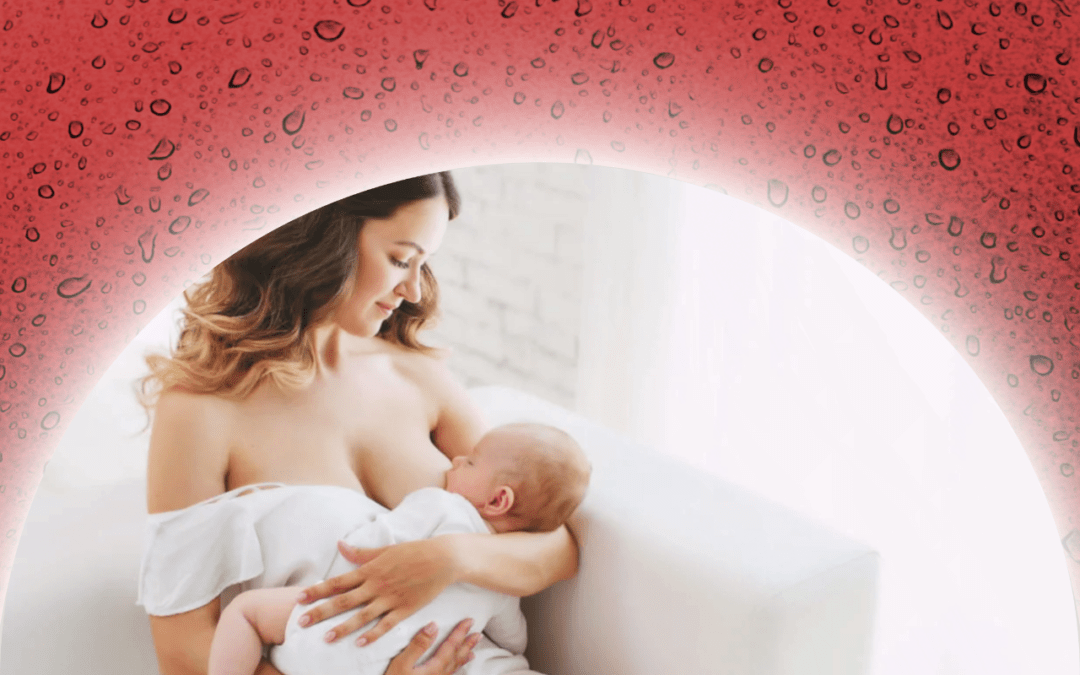
Breastfeeding forges a powerful bond between mother and child. This bond transcends cultures and eras. In Traditional Chinese Medicine, breastfeeding goes beyond nutrition. It is a vital transmission of energy, a profound exchange through Qi and Blood.

Yet another story about energy

In Traditional Chinese Medicine (TCM), breast milk (rǔzhī 乳汁) is more than just food. It prolongs the mother’s Blood and Qi. The Huangdi Neijing, the foundational text of TCM, describes milk as a transformation of Qi and Blood.

Milk is produced through the transformation of Qi and Blood, a process governed by the Spleen and Stomach. Thus, the Spleen plays a central role in its creation, transforming food into vital essences.

Furthermore, the Huangdi Neijing, an ancient text, links breastfeeding to overall balance. A smooth lactation relies on circulating Qi and abundant Blood.

In ancient imperial China, breastfeeding united the community. For example, wet nurses (rǔmǔ 乳母) assisted the elite. Meanwhile, peasant women breastfed their children until they were three years old, in harmony with nature.

However, today, TCM is adapting to urban challenges: stress, pollution, and accelerated pace of life. Consequently, consultations for breastfeeding problems are increasing.

A universal act with varied perceptions

Breastfeeding is common to all humanity. Yet, each culture interprets it differently. For example, in sub-Saharan Africa, in Mali, it often lasts two years. Thus, it forges an unbreakable bond between mother and child.

In contrast, in Europe, the figures are alarming. Only 25% of French women are exclusively breastfeeding at six months (WHO, 2023). Indeed, the early return to work hinders this.

Furthermore, in Vietnam, Traditional Chinese Medicine (TCM) still holds sway. Mothers drink invigorating broths, which boost Qi. Everywhere, this act nourishes both body and soul. However, when obstacles arise, a TCM practitioner can be helpful in continuing the breastfeeding experience.

femme africaine allaitant

The challenges of breastfeeding

Mothers often face obstacles such as stress, fatigue, and anxiety. These can hinder lactation.

In Traditional Chinese Medicine (TCM), emotions affect the Liver, the regulator of Qi. A mother’s anxiety stagnates her energy, causing milk production to drop. A 2020 study (International Breastfeeding Journal) confirms this: chronic stress lowers oxytocin, an essential hormone that facilitates maternal behavior and the bond between mother and baby.

Partners play a complementary role, providing emotional support and practical assistance. A 2022 study (Journal of Perinatal Psychology) reveals this. This support extends the duration of exclusive breastfeeding by 40%. In TCM, this support is said to strengthen family Qi and stabilize the mother. Family Qi is the vital energy we receive from our family, particularly from our ancestors.

The challenges mentioned above indicate internal imbalances and call for action. A Chinese medicine practitioner can make an accurate diagnosis to provide the appropriate treatment and prevent complications.

The first step: listen to your body.

The second step: consult a Traditional Chinese Medicine (TCM) practitioner. They will guide you toward harmony. Their role is crucial for diagnosis, treatment, and support.

How to rebalance our functions

  • Dietetics or food as a remedy

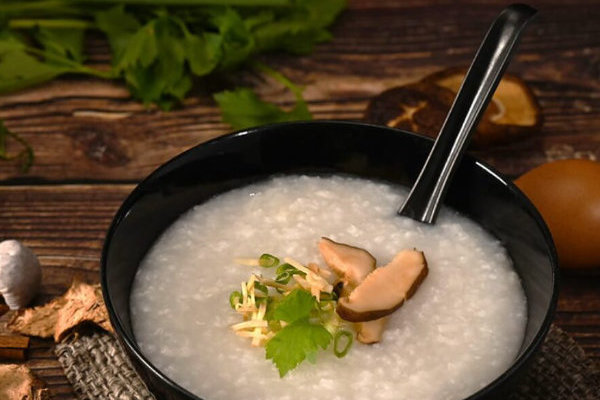
Traditional Chinese Medicine (TCM) advocates warming, nourishing foods; it particularly recommends galactagogues such as fennel, purple sweet potatoes, and chicken broth.

Raw vegetables—which are considered cold—and overly spicy foods (chili peppers) should be avoided. These disrupt the Spleen or amplify Heat.

acupuncture sur jeune femme
  • Acupuncture to release blockages

Acupuncture targets specific points. It tonifies or disperses energy.

  • It boosts vitality in cases of Qi/Blood deficiency. The goal is to support the Spleen, the organ of Blood production.
  • For Liver stagnation, Qi is fluidified and localized relief is provided.
  • In cases of mastitis, Damp-Heat is expelled.

A 2021 meta-analysis (Journal of Chinese Medicine) confirms an 89% success rate for acupuncture combined with herbal medicine in supporting lactation.

  • Herbal medicine to nourish from within

The doctor prescribes a formula tailored to the syndrome in order to:

  • Tonify the Blood
  • Harmonize the Liver against stress
  • Drain Heat-Dampness in cases of mastitis.

    The emergence of a new consciousness

    More and more companies are replacing human labor with robots. This new context is leading more and more people to take control of their lives and reassess their priorities. Many are returning to the countryside to rediscover a more human rhythm and a healthier lifestyle. In doing so, they are giving themselves the best chance of having children who are physically, emotionally, and spiritually healthy.

    It is worth noting that lactation rooms are becoming increasingly common in companies. The WHO also promotes extended breastfeeding (2024).

    Indeed, for children, breast milk is an immune shield. Rich in antibodies, it reduces respiratory infections by 50%. For mothers, breastfeeding reduces the risk of breast cancer by 20% (Breast Cancer Research).

    Supporting breastfeeding is an investment in future good health.

    In this context, the role of men is crucial. Educated men are moving from observers to active participants. They implement a variety of strategies. They allow mothers time to nourish their children. These strategies include:

    • Preparing “Qi-boost” meals (soups, hot dishes).
    • Offering emotional support, reducing the mother’s stress.
    • Participating in the baby’s care, freeing up time for mothers to recharge.

    Among the Maori, fathers sing to soothe the child. This strengthens family bonds. This discreet role is vital. It harmonizes lactation and strengthens the family’s Qi. And if challenges persist? The TCM practitioner complements this support. They guide the family toward lasting balance.

    Common disorders

    femme qui dort

    Breastfeeding is an act of love and the transmission of energy. The challenges it presents—hypogalactia, mastitis, stress—are invitations to restore inner harmony. Beyond remedies, breastfeeding reminds us of a simple truth:

    Breastfeeding is about weaving a sacred bond that must be supported by family and society.

    Hypogalactia: When milk is lacking

    Hypogalactia (quē rǔ 缺乳) affects 30% of postpartum mothers (Jiangsu TCM College study, 2021). In Traditional Chinese Medicine (TCM), the key causes are:

    • Qi and Blood Deficiency: After strenuous childbirth or bleeding. A pale tongue and weak pulse are signs of this.
    • Liver Qi Stagnation: Stress or frustration. Red-edged tongue and a taut pulse are signs of this.

    Consult a TCM practitioner as soon as possible. They will help you regain balance and avoid unnecessary frustration.

    Mastitis: Inflammation of the breast tissue.

    Acute mastitis (rǔ yōng 乳痈) arises from Qi stagnation combined with Damp-Heat. Pain, redness, and fever appear.

    Each symptom tells a story. Lack of milk: energy depletion, physical or emotional exhaustion.

    Mastitis: repressed anger, mental overload. These signals encourage you to slow down and reconnect with your body.

    It is important not to underestimate the significance of these symptoms. Consult your Traditional Chinese Medicine (TCM) doctor without delay. By intervening quickly, they can prevent abscesses or stop them early.

    A reminder for mothers:

    • To consume: Chicken broth, fennel seeds, red dates.
    • To avoid: Alcohol, fried foods, raw foods.
    • Tip: Rest, surround yourself with support.

    Pharmacopoeia – the prescription

    Pharmacopoeia – the prescription

    The art of the unique prescription

    In this third article dedicated to Chinese medicine, we discuss the prescription. Unlike Western medicine, TCM offers personalized prescriptions, tailored to each individual.

    Therefore, there are no standard treatments! Each prescription is crafted like a work of art, adapted to each person’s unique energy profile. It takes into account the specific energetic diagnosis for that patient at that moment. The practitioner may use a classic recipe as is, or modify it (change the doses, add/remove certain herbs) according to the patient’s unique symptoms.

    As explained in our previous article on the recipe, Chinese medicine combines several ingredients to optimize their effectiveness while targeting specific imbalances. Whether you suffer from fatigue, stress, or pain, your prescription will be as unique as your fingerprint.

    Discover how these remedies, rooted in millennia-old wisdom, restore harmony to the body and mind.

    Eight forms of absorption

    As with Western medicines, Chinese remedies take different forms depending on the needs and always with the goal of maximum effectiveness. Here are eight commonly used techniques for consuming remedies in the Chinese pharmacopoeia, based on traditional practices:

    Decoction (煎剂, Jiānjì):

    The most common method, consisting of boiling herbs in water to extract their active ingredients. The decoction is drunk hot or warm, often in several doses.

    Infusion (泡剂, Pàojì):

    Herbs are infused in hot water, without prolonged boiling, to preserve volatile compounds. Used for delicate or aromatic herbs.

    jeune femme buvant un thé
    Powder (散剂, Sǎnjì):

    The herbs are ground into a fine powder and consumed directly. This form allows for rapid administration and easy storage. It offers a practical compromise. Slower to act than decoctions but faster than tablets, it is suitable for moderate treatments.

    Pills or granules (丸剂, Wánjì):

    The herbs are processed into small pills or granules, often bound with honey, flour, or other excipients. Convenient for prolonged use or easy administration.

    Paste or jelly (膏剂, Gāojì):

    A concentrated preparation obtained by reducing a decoction, often mixed with honey or sugar. Used for long-term treatments, particularly for tonic purposes.

    Tincture or maceration (酊剂, Dǐngjì):

    Herbs are macerated in alcohol or another solvent to extract their active ingredients. This method is used for specific treatments or for long-term preservation.

    External application (外用, Wàiyòng):

    Herbs are applied to the skin as poultices, ointments, or compresses to treat local pain, inflammation, or injuries.

    Inhalation (熏剂, Xūnjì):

    Herbs are burned or heated to produce inhaled vapors, often to treat respiratory problems or for calming effects.

    These techniques are chosen according to the condition, the patient’s constitution, and the properties of the herbs.

    The seven main categories

    The Chinese pharmacopoeia contains over 100,000 remedies, which are classified into seven categories. These categories take into account their therapeutic purpose and complexity. Imagine your health as a river. Depending on the obstacles encountered, the doctor will choose the appropriate “hydraulic force,” in other words, they will prescribe according to the severity of the condition. Here are these seven categories.

    Major Ordinance (dà fāng)

    It is used for complex conditions requiring numerous ingredients (often 10 or more). For example, a prescription for a chronic illness with multiple imbalances (fatigue, pain, digestive issues) might include tonics, dispersants, and harmonizers. It’s like a large orchestra where each musician plays a key role.

    Minor Ordinance (xiǎo fāng)

    Simpler, with fewer ingredients (4 to 6), the minor prescription targets specific symptoms. For example, the Yín Qiào Sǎn recipe treats sore throats and fever associated with a cold. It’s like a small team focused on a specific task.

    Prescriptions According to Rhythm

    Slow Prescription (huǎn fāng)

    Designed for chronic illnesses, the slow prescription works gradually to strengthen the body without shocking it. For example, Bǔ Zhōng Yì Qì Tāng treats chronic fatigue by tonifying qi over the long term. Think of a gardener who regularly waters a plant to help it grow.

    Rapid Prescription (jifang)

    The rapid prescription is used for acute conditions, such as a sudden fever. Thus, Huang Lian Jiě Du Tang combines Huang Lian (Coptis chinensis), Huang Qín (Scutellaria baicalensis), Huang Bai (Phellodendron amurense), and Zhi Zi (Gardenia jasminoides) to disperse the fire in the Triple Burner. This is indicated for high fevers and restlessness. It is like a fire extinguisher that acts quickly to put out a fire.

    plantes médicinales chinoises

    Prescriptions according to complexity

    Odd prescription (qí fāng)

    An odd-numbered prescription is designed for a single etiology (cause). For example, a prescription for a wind-cold cough might focus solely on dispersing that pathogen. It’s like a sniper targeting a single target.

    Even prescription (ǒu fāng)

    The paired ordinance combines two sovereigns to treat two simultaneous causes. For example, an ordinance for blood stagnation and qi weakness might include Tao Ren (for blood) and Huang Qi (for qi). It’s like two leaders working together to solve two problems at the same time.

    Complex ordering (fù fāng)

    Complex prescriptions address multifactorial conditions with multiple causes and symptoms. For example, a prescription for a patient with chronic pain, insomnia, and digestive weakness might include herbs to calm the mind, tonify the spleen, and relieve pain. It’s like a puzzle where each piece fits together to form a complete picture.

    Twenty-two families of prescriptions

    In Traditional Chinese Medicine (TCM), remedies are also classified into 22 categories according to their primary action. Here are the most common:

    Tonic

    Strengthen energy (qi, blood, yin, yang) for those who are tired or recovering from illness.

    Biao Releasers

    Repel external aggressions such as colds.

    Harmonizers

    Rebalance the organs to soothe stress or emotional disturbances.

    Qi Regulators

    Unblock energy to relieve tension and pain.

    Blood Regulators

    Improve circulation to treat painful periods or hematomas.

    Emetics and Purgatives

    Eliminate toxins in cases of poisoning or severe constipation.

    Dispersants

    Expel the “six climatic pathogens” (wind, cold, heat, dampness, dryness, and extreme heat).

    Transforming

    Clear mucus or food stagnation.

    Astringent

    Control excessive sweating, diarrhea, or bleeding.

    Specialized

    Target specific needs (vision, parasites, gynecology, emergencies).

    Thus, each type of prescription is like a different tool in a toolbox. A hammer is perfect for driving a nail quickly, but to build a complex house you need a wide range of specific and complementary tools.

    Each prescription is a complex composition where several substances work synergistically to restore the patient’s overall harmony, as detailed in “Pharmacopoeia – The Recipe.”

    This mind-body approach, rooted in millennia of practice, illustrates the richness and depth of Traditional Chinese Medicine (TCM), where health results from a dynamic balance between the individual and their environment.

    Key takeaways

    Your prescription reflects a personalized energetic diagnosis. Its form (decoction, tablets, etc.) optimizes absorption according to your constitution and lifestyle. Its classification (major/minor, rapid/slow, etc.) reveals the chosen therapeutic strategy.

    Signs of a suitable prescription:

    • Progressive improvement in sleep and energy
    • Regulation of bodily functions (digestion, bowel movements, cycles)
    • Reduction of symptoms without bothersome side effects
    • Overall feeling of well-being

    Traditional Chinese Medicine (TCM) does not treat a disease but rebalances the individual. Your prescription is therefore unique, like your energetic fingerprint. It will evolve with you, becoming more refined over the course of consultations to perfectly match your current needs.

    In summary, the structure of prescriptions in Traditional Chinese Medicine is a methodical and balanced approach that reflects the holistic vision of TCM.

    Pharmacopoeia – the recipe

    Pharmacopoeia – the recipe

    The subtle art of synergy between ingredients

    Chinese pharmacopoeia, a cornerstone of Traditional Chinese Medicine (TCM), is based on a holistic approach. It aims to restore the body’s energy balance (qi, yin-yang, and the Five Elements) in the face of pathological imbalances. Unlike Western medicine, which focuses on eliminating a specific symptom, TCM treats the person as a whole. It takes into account the underlying causes, associated symptoms, and also emotional or environmental influences.

    Thus, the key to this approach lies in the meticulous construction of the remedies. These combine several ingredients to address the complexity of energy imbalances.

    This article is the second in a series of three. The first is devoted to the ingredients, the next to the prescription.

    Recipe structure

    In Chinese medicine, a recipe is much more than a simple list of ingredients. It is a strategic composition in which each substance plays a precise role. It is comparable to a team where each member has a specific task to achieve a common goal.

    These roles are inspired by the Chinese imperial hierarchy, making them intuitive to understand, even for a layperson. Here are the four main roles:

    The Sovereign (jūn)

    The Sovereign is the main ingredient. It directly addresses the root cause of the illness. It is the “leader” of the recipe, the one who defines the primary action.

    The Minister (chén)

    The Minister supports the action of the Sovereign or treats secondary symptoms related to the illness. It acts as a “second” that reinforces or complements the action of the leader.

    The Advisor (zuǒ)

    The Advisor adjusts the energetic properties of the prescription or treats associated symptoms that are not directly related to the primary cause. He acts as a “strategist,” refining the approach.

    The Ambassador (shǐ)

    The ambassador harmonizes the interactions between the ingredients or guides the prescription’s action toward a specific meridian or organ. He plays the role of a “diplomat,” ensuring the overall harmony.

    In Chinese medicine, a recipe is much more than a simple list of ingredients. It is a strategic composition in which each substance plays a precise role. It resembles a team where each member has a specific task to achieve a common goal.

    These roles are inspired by the Chinese imperial hierarchy, which makes them easier to understand, even for a uninitiated. Here are the four main roles.

    Balancing energies

    A fundamental principle of Chinese medicine is maintaining energetic balance. This prevents the use of remedies from creating new imbalances.

    Each substance possesses:

    • an energetic nature (sì qì: cold, cool, warm, hot)
    • a flavor (wǔ wèi: pungent, sweet, sour, bitter, salty)

    These characteristics influence its action on the body. For example, a warming herb like Gān Jiāng (dried ginger) warms the Stomach. However, if used alone in excess, it can cause excessive heat and symptoms such as thirst or irritability.

    To avoid this, secondary remedies—ministers, advisors, and ambassadors—adjust the properties of the sovereign.

    For example, a warming herb like Gān Jiāng (dried ginger) can be combined with a cooling herb like Huáng Lián (Chinese filodendron) to balance the thermal effects.

    In a prescription for abdominal pain due to internal cold, Gān Jiāng warms, but Huáng Lián can be added in small quantities to prevent overheating, which would worsen the patient’s condition.

    Another example is in Bái Hǔ Tāng – White Tiger Decoction, used to treat high fevers due to excessive heat in the body:

    Shí Gāo (gypsum) is the sovereign, with a very cold nature that eliminates intense heat. However, this coldness could damage the Stomach, which prefers a gentler energy.

    To balance the ingredients, Gān Cǎo (licorice) and Gěng Mǐ (rice) are added as adjuvants. These gentle ingredients protect the stomach and soften the harsh effect of Shí Gāo.

    In the box below, we will explain the recipe for the Ephedra decoction in detail.

    Synergies and incompatibilities

    Synergies (xiāng xū) are at the heart of the effectiveness of Chinese remedies. They occur when several substances work together to amplify their effects.

    For example, in Sì Jūn Zǐ Tāng – Four Gentlemen’s DecoctionRén Shēn (Panax ginseng) and Bái Zhú (Atractylodes macrocephala) work synergistically to tonify the Spleen’s qi. They strengthen vital energy and improve digestion. Together, they are more effective than when used separately.

    Conversely, certain combinations should be avoided. The “Eighteen Incompatible Herbs” (shí bā fǎn) can be ineffective or toxic. Similarly, the “Nineteen Fears” (shí jiǔ wèi) indicate pairs to be used with caution.

    In cooking, some flavors go well together – like lemon and honey – while others create an unpleasant mixture – like vinegar and milk. In medicine, these combinations are avoided to protect the patient.

    Thus, Chinese medicine is never limited to the use of a single plant, just as it does not treat the body independently of the mind. Each remedy is a complex composition in which several substances work together to restore the patient’s overall harmony.

    The roles of sovereign, minister, advisor, and ambassador ensure that imbalances are addressed in a multidimensional way, taking into account energetic interactions and the specific characteristics of each individual. This mind-body approach, rooted in millennia of practice, illustrates the richness and depth of Traditional Chinese Medicine (TCM), where health is a dynamic balance between the individual and their environment.

    The Má Huáng Tāng recipe (Ephedra Decoction)

    Ma Huang Tang – or Ephedra Decoction – is one of the oldest and most powerful remedies in classical Chinese medicine. It is used to treat a cold with chills but no sweating.

    1. Ma Huang (Ephedra) is the sovereign. This plant works by dispersing wind-cold (an external pathogenic factor) and inducing sweating to clear the body’s surface (biǎo).

    In simple terms, imagine Ma Huang as the general who gives the main order to fight the enemy (wind-cold).

    2. Guì Zhi (Cinnamon Branch) is the minister. It warms the meridians (energy channels) and mobilizes qi to amplify the effect of Ma Huang.

    Here, we should see the minister as an assistant who helps the general execute his plan while managing other aspects of the battle.

    3. Xìng Rén (Bitter Almond) is the advisor who helps lower pulmonary qi, thus relieving the cough or chest tightness often associated with a cold.

    The image is that of an expert who offers solutions for secondary problems, such as calming a cough while fighting the cold.

    4. Gān Cǎo (Licorice) is the ambassador; it harmonizes the effects of other herbs and reduces the risk of side effects.

    The ambassador is like a coordinator who ensures the team works together without conflict.

    Simple explanation of the recipe

    Imagine you have a cold with chills, but you’re not sweating, and you have a slight cough. Má Huáng (the sovereign) acts like a medicine that makes you sweat to expel the cold. Guì Zhī (the minister) adds warmth to support this process. Xìng Rén (the advisor) takes care of the cough so you can breathe more easily. Finally, Gān Cǎo (the ambassador) ensures that all these herbs work together without irritating your stomach or causing other discomfort.