The menstrual cycle

The menstrual cycle

Getting rid of premenstrual syndrome

Menstruation is a sign of fertility and good health. Every woman’s menstrual cycle is unique.

According to traditional Chinese medicine (TCM), the way the menstrual cycle unfolds provides valuable information about the body’s energy balance. All women should have a regular cycle that is light and painless, lasting 3 to 7 days.

However, few women meet all of the above criteria perfectly. Emotional stress, climate, and lifestyle can disrupt hormonal balance and cause cycle irregularities. Let’s consider the TCM perspective to understand this phenomenon and its irregularities.

The menstrual cycle is influenced by the quality and quantity of Qi (vital energy) and blood. It also depends on yin and yang energies and the proper functioning of the spleen, liver, kidneys, and heart.

Blockages in the circulation of Qi and blood flow, or stagnation, cause women pain and swelling in the abdomen; this leads to disturbances in the menstrual cycle such as dysmenorrhea or even amenorrhea.

The central organ for menstruation, reproduction, and pregnancy is the uterus. According to TCM, the uterus is closely linked to the kidneys. It is a hollow organ like the yang organs, but it performs yin functions (producing, transforming). When the term uterus is used in TCM, it includes the fallopian tubes and ovaries.

Menstruation is a sign of fertility and good health. Every woman’s menstrual cycle is unique.

According to Traditional Chinese Medicine (TCM), the way in which it occurs

The uterus needs to be properly supplied with blood to ensure menstruation, pregnancy, and childbirth. Qi and blood are interdependent.

The energetic influence of the cycle on women

The week of the period is a yin week, that is to say an energy of withdrawal. It is the winter of the cycle, a time of introspection, of silent self-presence. It is a week to listen to your dreams, develop your intuitions and let go. By eliminating blood, the kidneys can generate fear. We waste a lot of energy trying to understand everything that happens to us. This is precisely the role of emotions.

Once the period is over, the woman enters a Yáng energy. Turning towards the outside, she finds a more sustained rhythm, gets back into movement, in a Yáng (masculine) dynamic. The action of the liver allows her to come out of the winter. It is for the woman the moment to express her true self.

Still in this Yáng energy of opening towards the outside comes the week of ovulation; the woman is more connected to unconditional love. She feels a sense of fulfillment, a supreme joy with a broader consciousness and a sense of new humanity. Radiant, even irresistible, she needs a great deal of energy.

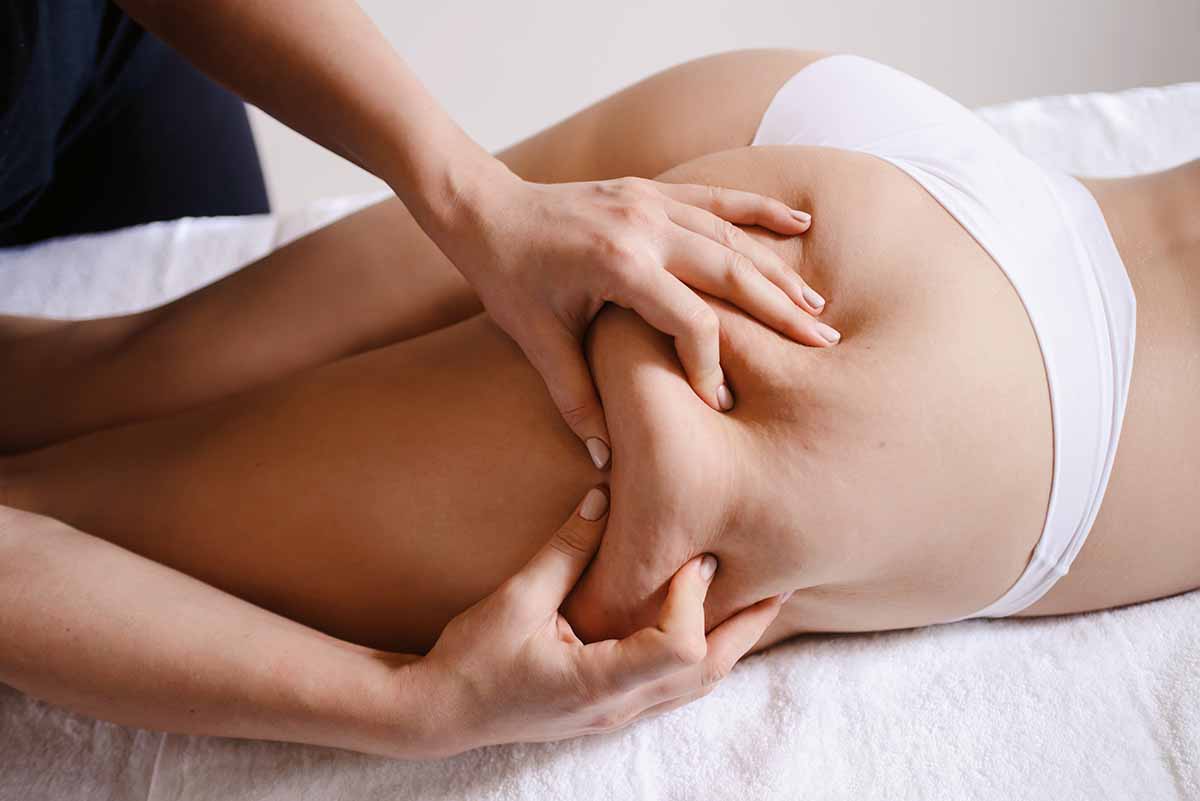
After a fortnight or so of being outwardly focused in a Yáng energy, the woman turns inward again in a Yin movement. The rhythm slows down. There is no need to keep a high rhythm, otherwise tension and pain will be created. For some women, premenstrual symptoms can reach hysteria. It is therefore time to take time for yourself, and to do yourself good by taking care of your skin, hair or simply by massaging.

The origin of menstrual disorders

During menstruation, we learn about the quantity and quality of blood. A lack of blood causes early menstruation, pale blood, and pain before the flow begins.

Heat in the blood causes bright red blood, early menstruation, and very heavy and painful periods. Blocked qi leads to irritability, anger, headaches, insomnia, breast tenderness, and pain and tension in the lower abdomen.

The liver stores blood and regulates its volume. A deficiency of blood in the liver can lead to very light periods or even an absence of periods. Fertility can even be compromised if the liver does not supply enough blood to the uterus.

Blocked liver qi leads to blood stasis, with black clots and pain before and during menstruation. Conversely, liver fire accelerates blood flow, causing bleeding outside the cycle or very heavy periods.

Pain-free periods thanks to TCM

As the menstrual cycle is influenced by the quality of the Qi (vital energy) and the quantity of blood, it is important to rebalance the related organs. We will focus on the balance of Yin and Yang energies. We will also focus on the proper functioning of certain organs such as the spleen, liver, kidneys and heart. This work will also have an impact on emotional tensions, and will restore hormonal balance. Thus, to unblock the circulation of Qi and blood flow, in order to reduce pain, Chinese medicine proposes the following solutions:

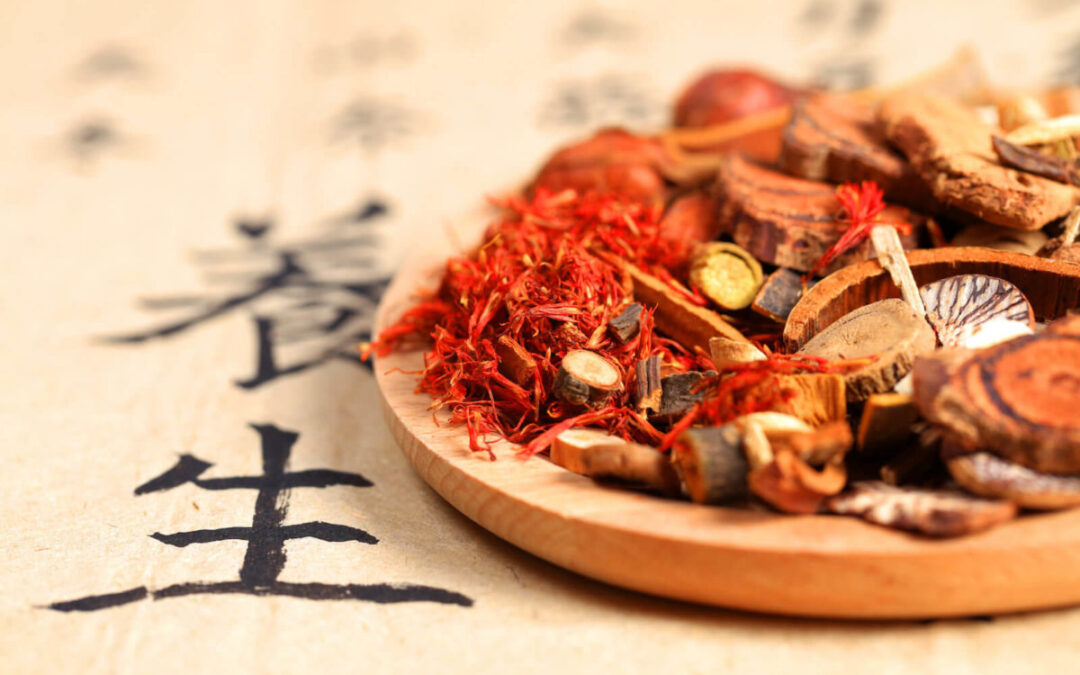
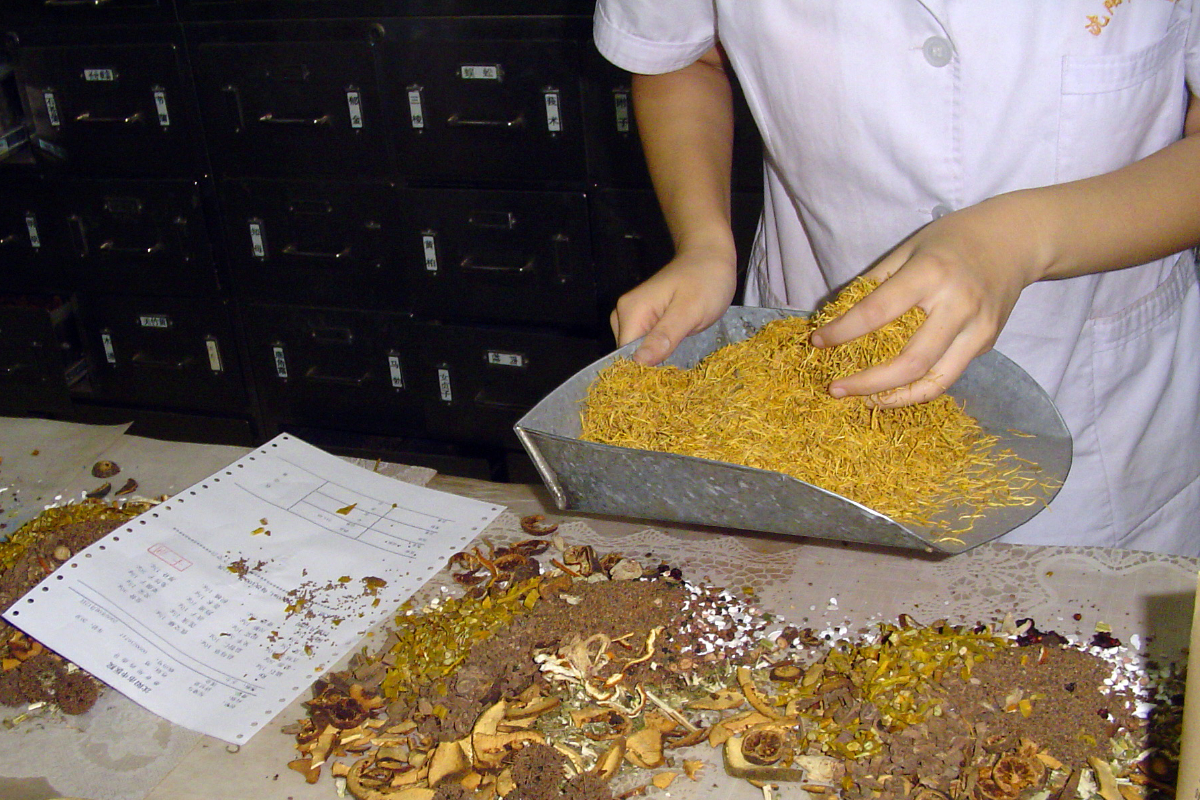
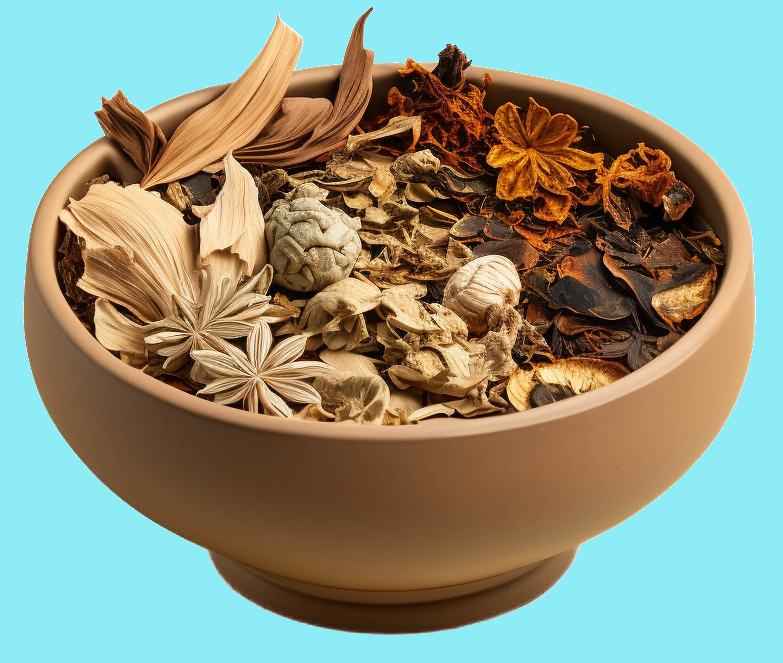
A formula of plants adapted to each case;
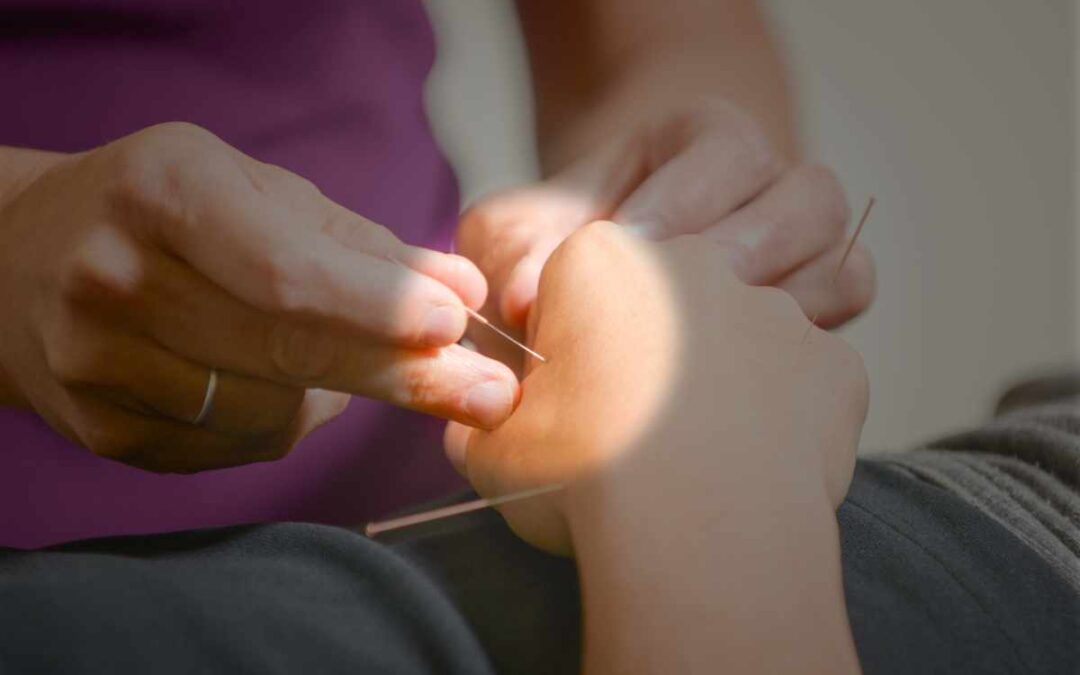
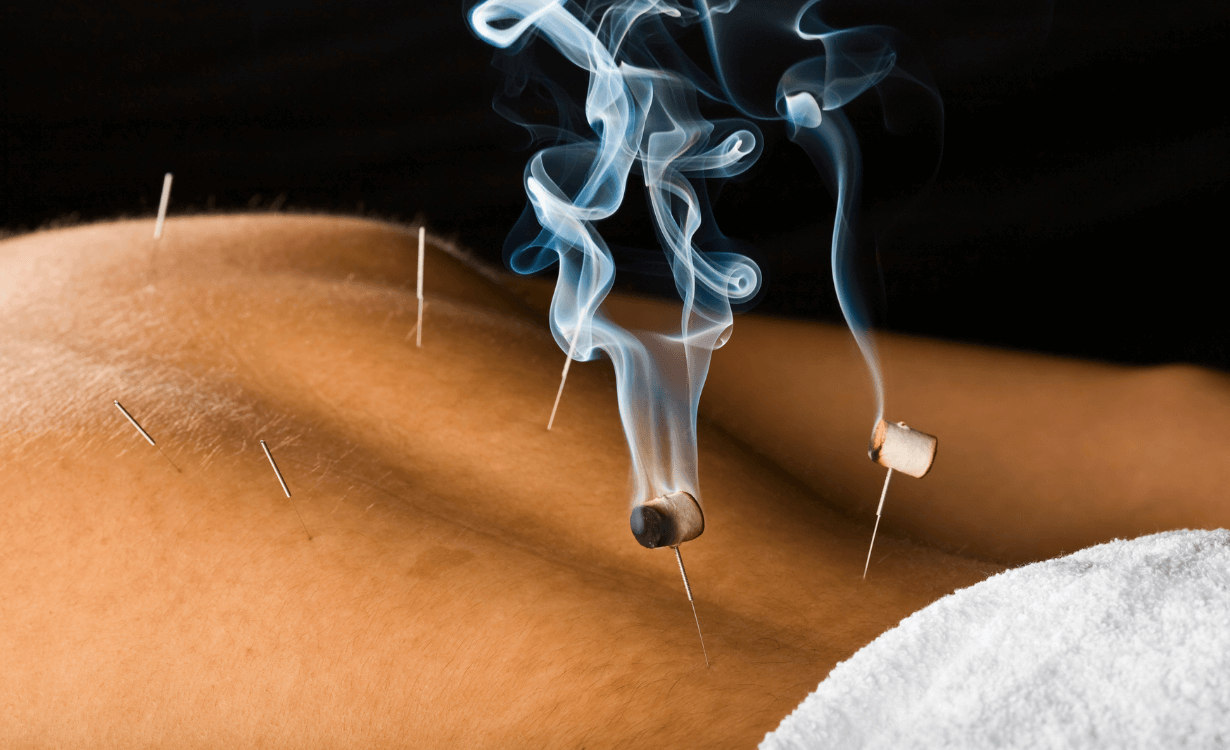
Acupuncture that alleviates or even eliminates physical and emotional symptoms related to PMS: lower back pain, cramps, acne, sensitive breasts, mood swings, irritation, nervous fatigue, etc. Our patients generally start to feel an improvement after one to three sessions on average.
In order to reduce the symptoms, we also recommend that you review your diet and encourage rest and sleep. These factors have a considerable impact on hormonal balance.
Finally, we recommend regular practice of Qi Gong in order to re-establish a good circulation of blood and Qi. This helps to relieve pain and various other symptoms related to menstruation.

    New disorders affecting women’s cycles

    Since the waves of vaccination against “Covid 19”, we are witnessing a multiplication of new symptoms related to the menstrual cycle and fertility.

    We receive many women in treatment who complain of extreme fatigue and disturbances of their cycles. Some complain of not having their periods for several months, or of having very irregular cycles, one month with, one month without…

    Finally, we receive patients who complain of excessive menstruation, which generates, in addition to a major discomfort, an extreme weakness due to lack of blood.

    We also observe at the diagnostic level a generalization of the phenomena of stagnation of blood and qi, which implies a major increase of blood clots in the periods.

    Finally, we have seen an increase in miscarriages which are naturally linked to a lack of energy in the Kidneys and the Spleen, and even in the Heart, and to poor blood circulation.

    We have been able to treat these new disturbances effectively, even if it takes longer to rebalance the energies in vaccinated people.

    Body fluids, or Jīn yè

    Body fluids, or Jīn yè

    Functions of body fluids according to TCM

    Organic fluids, or Jīn yè, are, like qi and blood, an essential and omnipresent substance in the body. Their role is to maintain all of the body’s physiological activities.

    According to Traditional Chinese Medicine (TCM), the sources of organic fluids are food and drink. These are digested by the stomach; the small intestine separates the pure from the impure. The spleen transforms and distributes these fluids. The more ethereal or vaporized part of these fluids rises to the lungs, which diffuse them. Some will be diffused through the skin (sweat). Another part of these liquids (more dense) will descend to the Kidneys and Large Intestine, which will carry out other separation processes for elimination (urine for the kidneys and stool for the large intestine).

    The process of separating the pure from the impure is carried out through various processes:

    • the digestive and absorption capacities of the stomach,
    • the separation process of the small intestine,
    • the transformation and distribution function of the spleen.

    The spleen transports organic fluids to the lungs, which regulate and control the “passage of water.” Thanks to their dispersal function, the lungs distribute fluids throughout the body, providing nourishment and hydration.

    The lungs also eliminate some of the fluids in the body through respiration. In the “water metabolism,” it is the kidneys that play the decisive role. The functions of the lungs, stomach, spleen, small intestine, and three heaters depend entirely on the boosting effect of kidney qi.

    Two types of bodily fluids: Jīn and yè

    In addition, organic fluids are governed by the Kidneys due to the transformation and vaporization of qi, so that the clear parts are reused, while the cloudy parts are transformed and excreted in the urine.

    There are two types of fluids or organic liquids: Jīn (such as sweat) and yè liquids (which are denser).

    • Jīn, which are very clear and fluid, are used to nourish and moisturize the skin and muscles. They give shine to hair and body hair. They are controlled by the Lungs. They circulate with Qi (called protective qi here).
    • Yè, which are thicker and more viscous, are much richer and directed towards the deep organs. They nourish the bones, marrow, viscera, brain, etc. They lubricate the joints and moisturize the inside of the body. They are controlled by the middle warmer and circulate with nourishing Qi.

    The condition of organic fluids (Jīn yè) is essential. They play a role in moisturizing, nourishing, neutralizing toxins, and regulating body heat.

    From the perspective of Chinese medicine, fluid metabolism consists of various repeated processes of separating pure and impure liquids.

    Our body seeks to guide or eliminate pure fractions upwards and outwards and to bring impure fractions (cloudy matter not essential to the body) downwards for elimination.

    In summary, we can say that the trio of the lungs, spleen, and kidneys forms the basis for the transport, transformation, and excretion of organic fluids.

    Thus, edema, skin conditions, perspiration disorders, joint and bone damage, etc. are directly related to the malfunctioning of these processes.

    Maintaining a good overall balance of Qi

    In TCM, diagnosis does not directly concern organic fluids, but rather the study of the quality of Qi. When organic fluids are not produced correctly, there is a lack of blood or stagnation of Qi. There is also heat invasion, profuse sweating, or repeated vomiting.

    This leads to the appearance of pathogenic phenomena (the first symptoms of a disease) such as:

    • Dry skin, eyes, nose, or mouth,
    • Constipation,
    • Invasion of dampness (edema, water retention, etc.) or even phlegm (sputum, etc.).

    In principle, if the Qi and organs are functioning properly, bodily fluids regulate themselves. In the event of any dysfunction, treatment of the spleen, stomach, and kidneys is always recommended.

    By paying attention to our lifestyle, we can maintain strong defensive Qi. This involves a healthy diet, exercise, adequate rest, a peaceful, stress-free environment, and therefore good management of our emotions, practicing an art, etc.

    In Chinese medicine, there are six energies (Liù Qì; 六气) that are part of human life. This is because humans are in constant contact with them. These energies can only become harmful if they are in excess. The six energies are:

    • Wind (fēng; 风)
    • Cold (hán; 寒)
    • Heat (rè; 热, which can become: huǒ; 火 = fire)
    • Humidity (shī; 湿)
    • Dryness (zào; 燥 or hàn; 旱)
    • Heatwave (kùshǔ 酷暑 or shǔ; 暑)

    When one of these six energies is in excess, it will undoubtedly have harmful effects on our body. To preserve our defensive balance, we use a few acupuncture sessions. Sometimes one is enough. For those who prefer it, we prescribe pharmacopoeia recipes tailored to each individual according to the balance to be restored.

    Organs and their role in this process

    • STOMACH:
      The source of body fluids.
    • SPLEEN:
      Transforms and transports.
    • LUNGS:
      Regulates the “passage of water.”
    • KIDNEY:
      – Provides the spleen with the heat needed to transform fluids.
      – Assists the small intestine in its fluid separation function.
    • BLADDER:
      Separation of pure/impure fluids; urinary excretion.

    Wuji, or « the summit of nothingness »

    Wuji, or « the summit of nothingness »

    A powerful healing tool

    Wuji is both a Taoist principle and a Qi gong posture. It is the latter that we will be particularly interested in here. Wuji is indeed a practice of great apparent simplicity, and yet of infinite richness for those who wish to cultivate a healthy mind in a healthy body.

    Wuji is the first posture of Qi Gong called Wu Dang. It is a posture that is practiced standing still. “Wuji” means “without extremes”. This term, originating from Taoist philosophy, refers to the state of undifferentiated chaos that precedes creation. It is therefore the origin of Taiji, the yin and yang movement. We can therefore say that Taiji is born from Wuji.

    Wuji is the creative void in the sense of “creative mind”; it is a void full of consciousness.

    The posture is practiced with the feet together or shoulder-width apart. The knees and elbows are relaxed, therefore not locked. The trunk is straight. The breathing is ample and natural. The gaze is distant. The practitioner observes his thoughts, without intervening in their flow, his mind is empty.

    By emptiness, the Taoists do not mean nothingness, but rather a state of total potentiality, not yet manifested but containing all the possibilities of creation. The state of Wuji precedes manifestation, and therefore action.

    For Taoists, the ultimate nature of our mind is absolute emptiness, in other words, absolute potential. Thus, consciousness in its ultimate nature of absolute potentiality, becomes absolute awakening. To fully embody Wuji, one must unify, reach the unity between body and mind (the ONE).

    Develop your vital energy

    By relaxing and emptying himself, the practitioner makes himself available. Like an antenna erected between the Earth (material world) and Heaven (spiritual world), he places himself in a state of receptivity. He becomes ready for everything and nothing at the same time. The practice of Wuji is therefore an invitation to enter into contact with the field of all possibilities in order to gradually order oneself internally, in total harmony with Nature.

    With time, a few weeks or months of practice, the practitioner settles into this state of coherence and harmony. Practising the Wuji posture, in a prolonged and regular manner, increases awareness and presence to oneself.

    The practice of Wuji allows the cultivation and development of the root energy of man, his vital energy, the Jing. It promotes the free flow of energy (Qi) and allows the participant to know the true nature of his or her mind.

    Listening to the body increases vital energy and strengthens “mindfulness”; it develops compassion towards other beings, a quality that is essential for health.

    What one feels in this practice is a sensation of calmness, which reaches the body and then gradually the mind. This calmness, with time, brings a feeling of serenity. The practice of Wuji is a form of standing meditation which allows us to cultivate our vital energy (our Jing); it therefore has a healing effect and increases longevity.

    Moreover, we will notice in the practice that the more attentive we are to the surrounding perceptions, as well as to the internal sensations, the less active the mind is and the more energized we feel.

    The prolonged practice of Wuji contributes to the deconditioning of the mind (ego) in its tendency to bring everything back to itself, to comment or judge everything, or to wander from one idea to another.

    A stronger mind in a healthier body

    Ainsi la pratique régulière de Wuji :

    • évite que l’on soit l’objet de ses émotions au gré de leurs caprices. Elle permet de s’en distancer ;
    • contribue à stabiliser l’esprit agité et améliore la capacité de concentration dans sa qualité et sa durée ;
    • procure une sorte de sérénité et de joie qui se prolonge au-delà de la pratique dans la vie quotidienne. C’est le début d’une mutation qui nous invite à changer notre regard sur les évènements de notre vie, nos relations, les autres, nos structures de pensées et nos émotions. Ce regard se fait plus détendu, plus ouvert, avec une capacité d’adaptation accrue.

    Cette posture immobile permet donc de renforcer et de cultiver l’énergie vitale Jing ; elle améliore la circulation de l’énergie (Qi) dans les méridiens en la rendant plus fluide. Cela a pour effet de dénouer les blocages énergétiques.

    Qui plus est, la pratique de Wuji, à l’instar de toute pratique de Qi Gong, contribue à fortifier notre Esprit et à améliorer la qualité de nos états de conscience. Enfin elle développe en nous un sens de plus en plus affuté d’éveil.

    Thus the regular practice of Wuji :

    • prevents one from being the object of one’s emotions according to their whims. It allows you to distance yourself from them;
    • helps to stabilize the agitated mind and improves the quality and duration of concentration;
    • provides a kind of serenity and joy that extends beyond the practice into daily life. It is the beginning of a mutation that invites us to change our view of events in our lives, our relationships, others, our thought structures and our emotions. This gaze becomes more relaxed, more open, with an increased capacity to adapt.

    This motionless posture therefore strengthens and cultivates the vital energy Jing; it improves the circulation of energy (Qi) in the meridians by making it more fluid. This has the effect of releasing energy blockages.

    Moreover, the practice of Wuji, like all Qi Gong practices, contributes to strengthening our Spirit and improving the quality of our states of consciousness. Finally, it develops in us an increasingly sharp sense of awareness.

    Wuji is therefore infinitely beneficial when it is practised with respect for its principles (correct posture, relaxation, breathing), as well as with regularity and constancy. Do not be deceived by its apparent simplicity. Because before reaching serenity, you may experience pain while tensions are being released, impatience, or even disturbing emotions.

    Like many of these Chinese practices, the practice of Wuji requires real work, a commitment in the moment and over time. It is only at this price that it delivers all its treasures. And that we discover its wonderful healing power.

    Some tips for your practice

    posture wuji

    Listen to your body: what is happening in your joints, your tensions, your breath. Observe, without judging, and constantly adjust your posture to achieve total relaxation. Relaxation is indeed the key.

    Your posture, although relaxed, is straight. Make sure your back is straight. The weight of your body rests heavily on your feet. The upper body is light and as if suspended by a rope from the sky. This way the spine is completely free.

    Slow down the cycle of your breathing and gradually increase its amplitude. This breathing is abdominal. By concentrating on your breathing, your body will gradually calm down, and nervous movements or impulsive reactions will cease during the practice.

    However, it is important to remain joyful. Maintain a state of well-being and a benevolent outlook. Cultivate your inner smile and allow a feeling of fullness, and love, to flow through your body. Embrace these sensations with tenderness and gentleness.

    For beginners it is recommended to be accompanied by a Qi gong or Tai chi master.

    The kidneys, the root of life

    The kidneys, the root of life

    An essential role in longevity

    In Chinese medicine, the kidneys have an essential place. Indeed, these two precious organs manage and generate our vital energies.

    In traditional Chinese medicine (TCM), the function of the kidneys is referred to as Yáng energy. The organ itself is referred to as yin. The Kidneys as a system are the major source of the overall vital energy (yin and Yáng) of the whole body. When the energy of the kidneys is totally depleted, death occurs.

    The kidneys store the essence responsible for the development of the embryo, birth, growth and fertility. The quality of this essence will impact the fundamental energy balance of the individual. The Kidneys are therefore our foundation.

    In TCM, the essence of the Kidneys is called the Jing.  The term “Jing” refers to an ethereal, purified substance, an essence. The term refers to extraction, but also to the perfect, the excellent, the subtle. Jing is the quintessence of vital energy (Qi). The Jing associated with the original Qi plays a catalytic role in the formation of blood and marrow. This quintessence is a vital force received before birth and concentrated, preserved and stored in the kidneys.

    Jing comes from two sources:

    1. The prenatal essence, which is the Jing inherited from the parents (innate Jing)
    2. The postnatal essence, which is the Jing drawn from food and air (acquired Jing).

    The innate Jing, which comes from the sexual essences of the father and mother, is present from the moment of fertilisation. It conditions the child’s vitality, development, health and immunity.

    Mìng mén: the gate of life, or gate of destiny

    Acquired Jing comes from the subtle essences extracted from food by the spleen and stomach, and from the air by the lungs. When the postnatal Jing is abundant, it is stored in the Kidneys and maintains and nourishes the prenatal Jing.

    The essence of the Kidneys conditions the whole of a person’s life: from growth in childhood to maturity in adulthood, but also later on, when illnesses may occur, and until death. More generally, it can be said that vitality and longevity depend on the quality of this essence.

    Mìng mén or “Gate of Life” is also called the gate of destiny (命门). Mìng mén is a place materialized by an acupuncture point located at the 3rd and 4th lumbar vertebrae. This is where the innate Jing, the foundation of Life, is stored. It is the root of the original Qi (Yuan Qi) and the source of the fire minister xiāng huǒ ( 相火). To put it simply, we will say that the ministerial fire belongs to the San Jiao or three foci (lower, middle and upper), and in particular to the lower focus. This is the seat of the ministering fire which acts on the maintenance of the viscera’s functionality. It warms the lower focus, maintains the sexual functions, helps the kidneys in their function of controlling the reception of Qi.

    Mìng mén is also considered the Palace of Water and Fire. These two notions are assimilated to the Yin and Yáng aspects of the Kidneys. If the Fire of the Gate of Life is insufficient, the Original Qi cannot flourish, resulting in a general vacuum of Qi and Blood.

    The kidneys govern the waterway

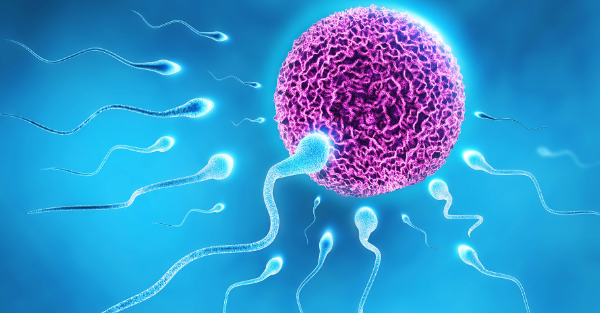
    The Mìng mén is where the sperm and egg reserves reside, referring to the genital, sexual, and reproductive functions of the kidneys. Here we find the concept of a gate, as the fertile essence exits the man to enter the woman.

    In TCM, the kidneys govern the waterway. They regulate urination and supply energy (Qi) to the bladder so that it can excrete urine.

    The kidneys, through their function of governing the waterway, regulate the separation of pure and turbid in the small intestine, large intestine, and bladder. The kidneys support these three organs in their filtering role. This is why excessive medications such as antibiotics ultimately damage and weaken the essence stored by the kidneys.

    By warming fluids, the Yang of the kidneys circulates them and helps prevent edema, which is a buildup of water. In addition to their role as regulator and filter, the kidneys control the heart, since water controls fire in the theory of the 5 elements.

    Repeated physical exertion, overwork, old age, sexual excess in men, and closely spaced pregnancies in women weaken the kidneys. Added to this may be other imbalances such as blood or energy stagnation, as well as exposure to external pathogens: humidity, cold, and heat. It is necessary to establish an energy balance based on each person’s symptoms.

    Pain may appear in the lumbosacral area, sometimes radiating to the lower limbs (knees). In TCM, the lower back is the roof of the kidneys; thus, kidney deficiency is the root of all lower back pain.

    Sexual Dysfunction and Kidney Energy

    The kidneys control the sphincters, controlling their opening and closing.
    If kidney energy is weak, retention is difficult. It is said that kidney energy is not strong. This can lead to symptoms of urinary or fecal incontinence, frequent and nocturnal urination, and dribbling after urination.

    Urinary incontinence results in uncontrollable and involuntary loss of urine, which occurs day or night. Urinary incontinence is more common with age. But it can have other causes, such as a weakened perineum, prostate problems, or chronic health issues.

    Today, sexual dysfunction and desire disorders are common. They affect everyone and occur at any age. These can be explained in particular by an inadequate lifestyle (constant stress, frustration, emotional disturbances, and/or an unhealthy diet).

    The main forms of male sexual dysfunction are:

    • Erectile dysfunction
    • Lower sexual desire
    • Premature ejaculation

      However, here again, certain health problems such as diabetes, high blood pressure, depression, and certain medications can cause sexual dysfunction.

      As a reminder, Kidney Yang’s function is to warm the essence. It therefore promotes sexual function. It is Kidney Yang that provides the energy for erection and is partly responsible for desire. Cases of general or sexual overwork lead to a deficiency of essence, which in turn leads to a deficiency of Kidney Yang.

      Sexual function is also linked to the Heart. When Kidney Yin is deficient, the Heart is not refreshed by the Yin, and the Heart Fire no longer descends. This can also cause sexual dysfunction.

      Taking care of kidney energy

      In Traditional Chinese Medicine (TCM), the kidneys are associated with winter. It is therefore particularly important to support kidney energy in winter. Moreover, as we have seen, the kidneys are the reservoir of our vital energy, our internal battery.

      It is therefore important to take the greatest care of them. Winter is a season when it is important to take care of yourself, including resting and sleeping more than during the rest of the year.

      It is advisable to eat and drink warmer foods, particularly in countries where winters are cold, and to protect your lower back from the cold.

      This being the most yin season, it encourages you to stay indoors and engage in calmer, more internal activities.

      The main foods that will tone kidney Qi are oilseeds (especially walnuts), red beans and azuki beans, and black sesame (which can be sprinkled on all dishes or incorporated into desserts as a paste).

      You can also consume cinnamon, which has a very warming effect. Ginger is also beneficial, as it warms and aids digestion.

      In TCM, the kidneys are associated with the emotion of fear. Therefore, to take deep care of your kidneys, it’s important to distance yourself from this feeling of fear. For this, activities requiring strong self-control, such as rock climbing, martial arts, etc., are highly recommended. They all have the ability to build self-confidence. Thus, you gradually learn to distance yourself from your emotions.

      Kindness is good for the health

      Kindness is good for the health

      Being kind and compassionate benefits the heart

      At a time when materialism and self-centeredness have undermined humanity, it is high time to reconnect with the values ​​that make us human. Among these, kindness and compassion are natural to humans; what’s more, practicing them has a positive impact on our health. So why deprive ourselves of them?

      Before exploring this hypothesis in more detail, let us take the time to study our emotions and more particularly the one that emanates from the heart: joy.

      According to Chinese Medicine (TCM) and its theory of the Five Elements, joy is the emotion associated with the heart. TCM has also identified the heart as the seat of Shen, “the transcendent light that shows itself to men”, which can be simply translated as spirit.

      The heart is the mirror of our psychological and emotional state. A man whose heart is strong is serene, frank in his outlook. He is clear in his speech and fair in his judgment. His complexion is luminous because the complexion is the reflection of the heart. Conversely, if the Shen is deficient or disturbed, the heart will be directly affected. In this case, any emotion experienced in excess can hurt the heart and lead to confusion or difficulty in expressing oneself clearly.

      Similarly, a person with a deficient Shen may not fulfil his or her potential due to lack of discernment and/or lack of joy.

      “The Heart is the vital centre, it symbolises the self, the spiritual sun in man. This centre is transcendent to man. That by which this transcendent centre will make itself known to man, the soul or ray emanating from the sun” according to ancient texts of the Chinese masters.

      The Heart is vulnerable to emotional excesses

      In fact, emotions systematically call upon the Liver and the Heart. The Hun (entity or consciousness of the Liver) is the shield of the organism, it governs through the Liver the decongestion and the drainage. It is thus in the front line to receive external disturbing emotions. Through its drainage function, it is there to facilitate the elimination of disordered feelings. Indeed, emotions are a form of refined Qi. As Qi and Blood are interdependent, if Heart Blood is sufficient, mental activity will be sharp and clear. If the Blood of the Liver is abundant, then the Shen will be calm.

      We therefore understand that the Shen, through the Heart, represents the synthesis of the psycho-affective life. It governs all the other organs in their spiritual dimension. Consequently, the heart is particularly vulnerable.

      It is therefore important to learn to manage the flow of our emotions to avoid excesses in order to protect our heart. Indeed, the heart is considered by Chinese medicine as the Emperor of the organs. We can also preserve our heart by nurturing good feelings towards ourselves and others. For kindness and compassion nourish the heart. And a “good heart” is a source of good health.

      “Be kind and compassionate” is therefore not a religious or philosophical precept, but a recommendation of the old Chinese masters to cultivate a quiet mind.

      Research gives us its results

      Alongside Chinese medicine, science has also regularly examined the links between altruistic feelings, generosity, or kindness, and human health. Here are some of the studies conducted on this topic.

      • In 2016, Dr. Katherine Nielson-Coffey demonstrated the impact of acts of kindness on our health. With her team, she studied the difference in effect between prosocial acts (picking up trash, offering coffee to a stranger, opening the door, etc.) and self-centered acts (taking a hot bath, doing something good for oneself). The first group, which practiced altruistic acts of kindness, experienced greater emotional well-being than the second group.
      • Another researcher, Dr. David Hamilton, who studies the effects of stress on cardiovascular health, observed that acts of kindness can cause an increase in oxytocin. This chemical, secreted in the hypothalamus, lowers blood pressure and reduces the impact of stress on the body.
      • Charles Darwin had already emphasized the importance of kindness in human beings. According to him, kindness is an instinct inherent in humans. Its function is to ensure the survival of all living beings. The human tendency toward sympathy is instinctive, not cultural, and even stronger than the instinct for self-preservation.

      A link between generosity and gray matter

      • In another study, psychologist Nancy Eisenberg discovered that children with strong vagal tone are more cooperative and inclined to give.

      • Just recently, a study conducted by Zurich researchers demonstrated a correlation between generosity and gray matter. Indeed, the volume of a certain region of the brain influences people’s willingness to be altruistic, explains Professor Ernst Fehr of the University of Zurich in the journal Neuro.

        By observing the brain activity of the study participants, the researchers observed that generous people had more gray matter than stingy ones.

      These studies demonstrate a link between altruistic acts, generosity, and kindness, and health and happiness. We’ve all experienced this at least once. So, even if we don’t do it out of altruism, why not practice kindness, generosity, or compassion more often? This practice of kindness will help us find our inner sunshine, joy, and improve our health.

      Practicing Kindness for Well-being

      Meditating while feeling compassion for others shifts resting brain activation to the left hemisphere, a region associated with happiness, and boosts immune function.

      Giving to others, rather than indulging in narcissistic desires, brings lasting well-being.
      Giving awakens the power of the heart and brings joy.

      Laughing and playing in the face of trauma or difficult situations improves resilience and adaptation. More and more people are participating in laughter yoga groups.