Acupuncture

Acupuncture

A therapy that stands the test of time

Acupuncture is part of traditional Chinese medicine, which dates back several thousand years. Its exact origins are shrouded in legend and myth. However, it is estimated that the medical practices that led to acupuncture began in China over 2,000 years ago.

According to legend, acupuncture was discovered by accident. A Chinese healer noticed that pain in certain parts of the body could be relieved by inserting needles into other parts of the body. This observation led to the development of acupuncture techniques for healing.

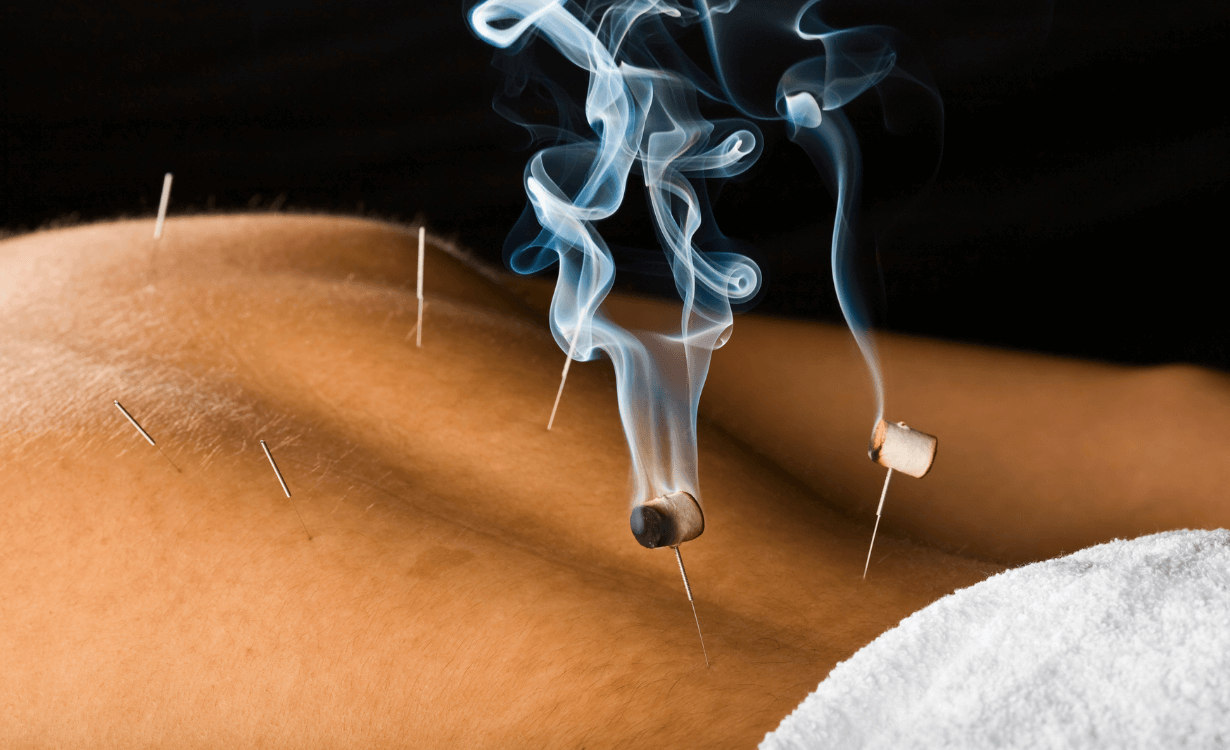
The use of acupuncture spread throughout China over the centuries. Practitioners developed complex systems of acupuncture points and specific techniques to treat different disorders. Acupuncture is often combined with other therapeutic techniques, such as moxibustion and cupping.

Over time, acupuncture spread to other parts of Asia and then gradually became popular around the world. The word acupuncture was coined by Jesuits in the 16th century when they discovered Chinese medicine; its real name is Zhēn Jiǔ, which means the art of metal needles and moxibustion.

A Taoist view of Man and the Universe

Acupuncture was introduced to Europe in the 17th century by Willem Ten Rhyne, a Dutch physician, but it really took off in the mid-20th century.

Scientific studies are regularly conducted to evaluate its effectiveness. The World Health Organization (WHO) has declared Traditional Chinese Medicine (TCM) to be “official medicine.” Acupuncture, which is an integral part of TCM, is therefore recognized as a medical technique.

According to UNESCO, “Traditional Acupuncture is a therapeutic art that bases its diagnostic and therapeutic reasoning on a Taoist energetic vision of Man and the Universe.”

Acupuncture is based on the concept of Qi (pronounced “chi”), which is considered to be a vital force present throughout the universe and within the human body.

According to Chinese medicine, when Qi flows freely and is balanced in the body, health is achieved; conversely, blockages or imbalances in Qi can lead to health problems.

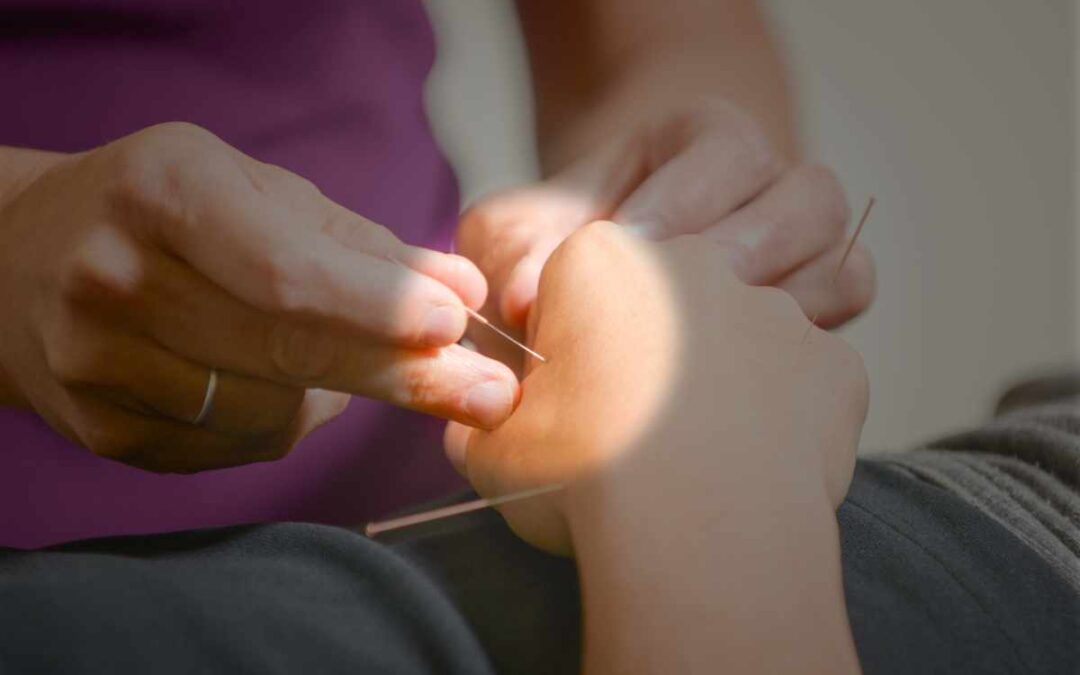
Acupuncture involves stimulating specific points on the body by inserting fine metal needles into the skin at varying depths.

The needle has a sleeve, often made of twisted copper alloy, which acts as an antenna to allow qi to enter and exit. These acupuncture points are located along energy channels called meridians, which are considered to be the pathways through which Qi circulates in the body.
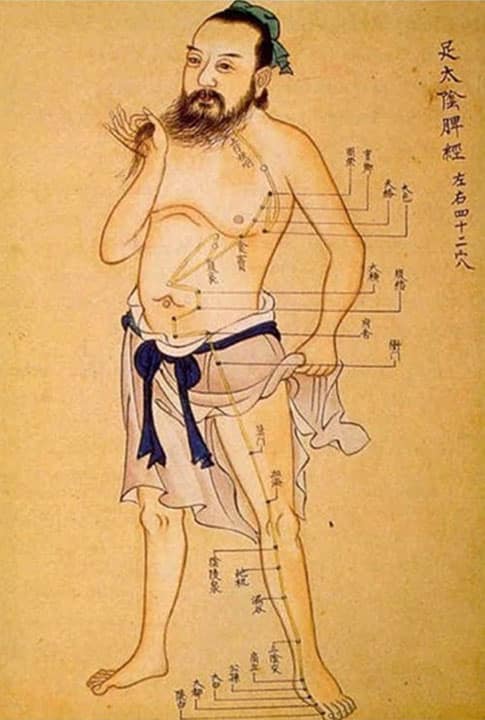
Acupuncture meridians

Acupuncture meridians, also known as energy channels, are pathways invisible to the naked eye through which Qi (vital energy) flows throughout the body according to TCM.

There is a complex network of meridians that connects different parts of the body, forming an interconnected energy system. According to TCM, these meridians carry vital energy called Qi throughout the body. There are 12 main meridians that are associated with specific organs and are named after those organs.
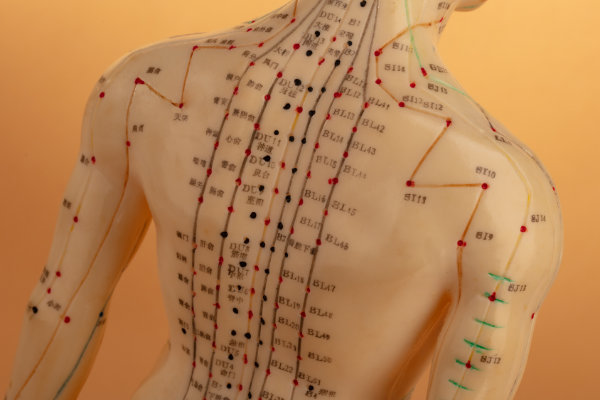
For example, the liver meridian is associated with liver function, the bladder meridian is associated with urinary function, and so on. Each meridian has a specific path through the body and passes through specific acupuncture points.

There are 361 commonly used points, but there are over 1,000 acupuncture points in the body. Each meridian is associated with a specific organ and physiological function.

Each meridian is associated with specific characteristics, such as times of day when its energy is most active, seasons of the year, emotions, and symptoms that may be related to its imbalance.

For example, the lung meridian is associated with autumn, sadness, and respiratory problems.

Freeing the flow of Qi

When Qi is blocked or unbalanced, the Chinese medicine practitioner looks to see which meridians are affected. They make a diagnosis, based on which they will define their therapeutic strategy. Inserting acupuncture needles into the points will restore energy balance by stimulating the flow of Qi and releasing energy blockages.

The needles are left in place for a certain amount of time (usually between 20 and 45 minutes) and can also be stimulated by various means (manual, electrical, moxibustion). Acupuncture allows for a global rebalancing of this energy network, which has an impact on organ function. Thus, over the course of acupuncture sessions, balance is restored and health is reestablished.

Sometimes acupuncture treatment may be combined with a prescription of Chinese herbal medicine. The number of sessions required will depend on each patient and how they respond to treatment. In general, the longer the illness or disorder has been present, the longer it will take (and therefore the more acupuncture sessions will be required) to overcome it. Conversely, an acute, mild, or recent disorder can be resolved in one or two sessions.

The many benefits of acupuncture

Acupuncture has many benefits. It can help relieve pain, reduce stress and anxiety, improve sleep quality, and strengthen the immune system.

It can also be used to treat menstrual disorders, fertility problems, and sleep disorders. This list is far from exhaustive…

In some very rare cases, there may be an overreaction after an acupuncture session, which may suggest a worsening of symptoms. There is no need to panic, as everything usually returns to normal after a few hours.

In some Asian countries, notably China and Vietnam, although allopathic medicine has taken on an important role, people still turn to their ancestral medicine when they do not get the desired results with so-called Western medicine.
The meridian network
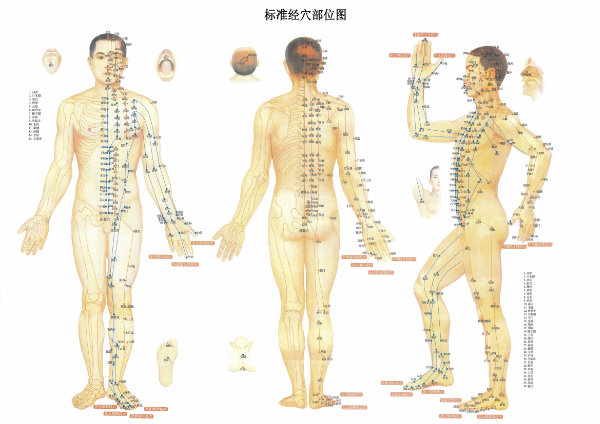
What has been translated as meridian is called in Chinese 经络 Jīng Luò, meaning “meridians and collaterals”. Jīng 经, before referring to “meridian”, means “to pass through”, or “channel”. Luò 络 translates as “entwined”, “continuous”. So the Jīng Luò constitute a network of intertwined, continuous channels that allow you to “pass through”.

The main channels all communicate with each other. This inter-connection is supported by other smaller, or secondary, channels called luò (collaterals). They are fundamental in connecting all parts of the body.

The existence of this vast network explains the holistic vision of TCM. This network extends throughout the entire body. Consequently, to act on one part is to act on the whole entity. Conversely, it is impossible to isolate a part without considering it as a whole. The network principle is fundamental to understanding how acupuncture works.

Channels and collaterals, like rivers, allow free circulation. This means the free circulation of the fundamental TCM substances qì (气), blood (血 xuè) and body fluids (浸液 Jìn yè). In classical texts, there are numerous images referring to the circulation of qì and blood in the body, likening them to rivers and seas. The names of many acupuncture points refer to this, such as Qū chí (LI11) the elbow basin, Chǐ zé (Po5) the ulnar swamp, Qì hǎi (Ren6) the qì sea, Fù liū (Rn7) restore the current, to name but a few. The term 经 Jīng itself can be translated as river.


Restored fertility

Restored fertility

Chinese medicine to the rescue of infertility

According to recent figures from the WHO, one in six people worldwide are affected by fertility problems, and these figures are continuing to rise. They affect men and women equally. Among these cases of infertility, 20% are due to both partners at the same time.

These fertility problems are a source of concern and even stress for many couples. And yet, solutions do exist!

According to Traditional Chinese Medicine (TCM), fertility problems are caused by energy imbalances. All that is needed is to restore this energy balance in the partner(s) concerned so that the organs involved in procreation have all the energy they need.

A study conducted in the gynaecology and obstetrics department of the maternal and child clinic in Gan Shu province, China, demonstrated the effectiveness of TCM in this area. Two groups received two different treatments. The first group was treated with Western medicine ovulation stimulants, while the other group was treated with acupuncture and moxibustion. The group treated with acupuncture had a 65% higher success rate than the group treated with chemical medication.

In addition, doctors observed a 35-45% higher chance of success for patients receiving IVF (in vitro fertilisation) while also being treated with acupuncture.

Causes of female infertility in TCM

Chinese medicine lists several causes that may contribute to fertility issues. These will be identified through a personalised diagnosis. Here are the main causes of infertility in women.

    • The accumulation of ‘Phlegm-Dampness’:
      Like Blood Stasis, the accumulation of ‘Phlegm’ can hinder fertilisation. This accumulation can also cause excess weight, abundant and viscous leucorrhoea, and even mucus in menstruation.
    • Kidney deficiency:
      The kidney belongs to the water element, which is also responsible for the reproductive organs. It is considered to be the body’s battery.

      Therefore, if the energy of the Kidney is low, the body will not allow pregnancy in order to avoid further energy loss. Or, if pregnancy does occur, it may be interrupted by a miscarriage. In the case of a weak Kidney, infrequent periods and a decrease in libido may be observed.

    fille verifiant son test de grossesse.
    • A deficiency of ‘Xue’ (Blood):

      Blood plays a role in the conception of the foetus. If there is a lack of Blood, pregnancy cannot occur. A deficiency of Blood results in a pale complexion, dizziness, lack of strength, weakness and general fatigue.

    • Blockage of Liver qi:

      The Liver’s function is to store and distribute Blood. When Liver qi is stagnant, it causes Blood stasis. This type of blockage is very common. It is caused in particular by anger, frustration, or stress. It is usually accompanied by premenstrual syndrome (breast pain, painful periods, light flow with dark blood, and sometimes blood clots).

    The cold womb

    • Cold accumulation in the uterus and blood stasis:

      A ‘cold uterus’ is very common. This means there is too much ‘cold in the abdomen and uterus’, which prevents fertilisation or implantation. The embryo needs warmth to implant itself.

    Un homme avec sa femme enceinte

    The majority of women who consult us for fertility issues have this syndrome. Cold weather also causes a slowdown that can create ‘blood stasis,’ preventing pregnancy.

    This stasis manifests itself in dark red periods, clots, and lower abdominal pain that worsens with palpation.

    • Blockage of the ‘Shen’ (spirit):

    In some cases, everything is working well and the conditions for procreation are in place, but the woman, even if she wants a child, suffers from unconscious fears. These fears may be related to work, family, financial situation, etc.

    In this case, the ‘Shen’ (spirit) is agitated, and the woman may unconsciously block fertilisation.

    A significant improvement in sperm quality

    Chinese medicine is equally effective in improving male fertility. It helps increase sperm production, improves sperm morphology and increases motility. Finally, it can resolve hormonal imbalances that can affect fertility. Here again, we focus on restoring overall energy balance, particularly in the kidneys, liver and spleen.

    A study was conducted by the College of Acupuncture and Moxibustion at Shanghai University of Traditional Chinese Medicine on sperm abnormalities. Patients were treated with acupuncture, and an improvement in sperm quantity and quality and sex hormones was observed in the following rates:

    • FSH (follicle-stimulating hormone): +33%
    • LH (luteinising hormone): +35.3%
    • Oestrogen: +57.1%
    • Testosterone: +65.1%

    Acupuncture, like Chinese herbs, increases blood flow in the pelvic cavity. This strengthens the kidneys and optimises the functioning of the sexual organs, while stimulating the body’s natural hormone production.

    The result is an increase in the quantity and quality of sperm.

    Of course, any fertility treatment must take into account environmental factors and the lifestyle of both partners.

    Stress caused by various factors, including difficulty conceiving, can only increase energy blockages. The couple can then become trapped in a vicious circle.

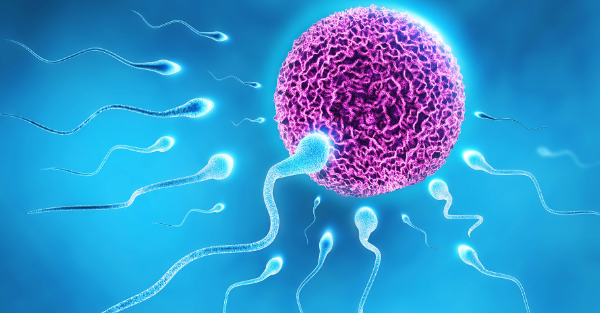
    gamète mâle et femelle

    Chinese medicine – acupuncture and herbal medicine – can also significantly improve stress management and help control disruptive emotions. This is an equally important factor in enabling couples to release pressure… and enter a state of serenity and openness conducive to procreation.

    Healthy lifestyle and fertility

    Beyond the energy imbalances mentioned above, certain environmental factors are harmful to fertility in both men and women. These include:

    • being overweight or underweight,
    • extreme working conditions such as prolonged exposure to heat or excessively long commutes,
    • stress,
    • lack of sleep,
    • the use of stimulants such as tobacco, alcohol, drugs, including excessive coffee consumption,
    • exposure to pesticides (endocrine disruptors),
    • exposure to other toxins (arsenic, lead, aluminium, mercury, parabens, Bisphenol A, etc.),
    • excessive exercise,
      prolonged exposure to mobile waves (Wi-Fi, 4G, Bluetooth, etc.).

    But above all, fertility requires both partners to take care of their well-being and agree to trust in nature. When they are in a good overall balance and their state of mind is calm and confident, then they are ready to welcome life… when the time is right. Because despite scientific progress, procreation remains a mystery and a blessing.

    Sleeping disorders

    Sleeping disorders

    Calming the shen for peaceful rest

    Between 10 and 30% of adults worldwide suffer from chronic insomnia. This disorder particularly affects women. However, it is also found in older people and those suffering from depression or post-traumatic stress disorder, among other conditions.

    The need for rest varies greatly from one person to another, but sleep is a vital need for every human being. Fatigue disrupts our internal balance and affects our mood and, consequently, our well-being.

    Yet most of us have experienced disturbed nights or simply difficulty falling asleep. The result is waking up in the morning feeling tired despite having rested.

    For some people, these problems can be very serious and persist over time. The list of sleep disorders is long. One of the main causes is stress, which is increasingly present and even pervasive in our daily lives. Exposure to screens also plays a part. As a result, few people experience the 3 to 5 90-minute sleep cycles that neuroscience tells us we should be getting.

    The perspective of Chinese medicine

    According to TCM, disturbed sleep can cause exhaustion that weakens our immune system. Sleep disorders stem from an energy imbalance. Normally, before going to bed, Yang decreases to make way for Yin. Yin corresponds to rest and stillness of the body and mind.

    Conversely, if there is an excess of Yang or a deficiency of Yin, the mind or ‘Shen’ cannot find calm and rest… Sleep is then disturbed.

    Certain factors are known to be detrimental to falling asleep or sleeping:

    • Intense physical activity at the end of the day or in the evening can disrupt sleep.
    • Eating meals that are too rich, especially in the evening, degrades the quality of our sleep.
    • Finally, emotional instability, stress, torment, overwork and nervousness heavily affect the Shen (the Spirit), which is sheltered by the Heart.

    A good night’s sleep to recharge your batteries

    As we have already explained in our articles, the kidneys are fundamental to vital energy. In addition to the ancestral energy instilled by our parents at the moment of conception, the kidneys store the energy we recover day after day through food, among other things. As you probably already know, ancestral energy is a fixed and limited resource that gradually diminishes over time.

    Fortunately, there is a way to avoid drawing on this ancestral capital and thus, in a sense, regenerate your kidneys: sleep.

    As we have already explained in our articles, the kidneys are fundamental to vital energy. In addition to the ancestral energy instilled by our parents at the moment of conception, the kidneys store the energy we recover day after day through food, among other things.

    As you probably already know, ancestral energy is a fixed and limited resource that gradually diminishes.

    Fortunately, there is a way to avoid drawing on this ancestral capital and thus, in a sense, regenerate your kidneys: sleep.

    It is often frowned upon socially to go to bed before midnight. And yet, it is between 10 p.m. and 4 a.m. that the kidneys are restored. Everyone must learn to recognise their own sleep needs.

    Some people need 6 hours, others 9 hours; some people need to go to bed early, others to get up later. Let’s not forget naps, which play a major role in energy recovery.

    Yǎngshēng and healthy living

    Traditional Chinese medicine recommends yǎngshēng as a way to avoid sleep disorders. Firstly, it encourages a light diet (easy to digest). It advises against heavy meals before bedtime, late dinners, and the consumption of stimulants (tea, coffee, fizzy drinks); strong flavours that may disturb the Heart and, by extension, the Shen are also discouraged.

    It is essential to take care of our emotional health. The heart must fall asleep first. We should make sure to meditate before going to sleep, especially if we feel a little excited. It is best to listen to music known for its relaxing properties. Finally, before bedtime, we should avoid heated or even confrontational discussions, which put a strain on our emotions. Finally, in the evening, we should choose the company of loving and compassionate people, or simply people who do not need psychological support.

    Chinese medicine solutions

    Acupuncture

    Acupuncture for people prone to sleep disorders helps restore good Qi circulation. It promotes the harmonisation of Yin and Yang as well as that of the body and mind, which are inseparable in the treatment of diseases.

    By stimulating specific points, we are able to treat the causes of these disorders and regulate energy flow to facilitate sleep.

    The frequency of sessions varies from person to person, but frequent sessions, around 2 to 3 times a week, generally produce very conclusive results.

    Plants as a natural alternative

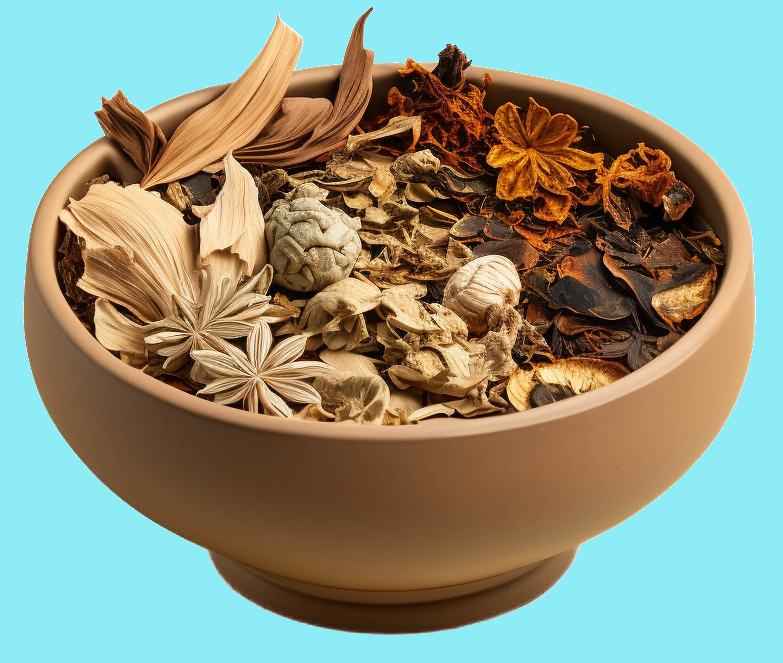
    The health benefits of plants promote relaxation of the body and mind and facilitate sleep, ensuring peaceful nights. We choose recipes with soothing and calming properties to prevent and relieve sleep disorders.

    Indeed, Chinese pharmacopoeia recommends natural herbal preparations to calm the Shen, nourish the Yin, and calm the excess Yang that causes sleep disturbances.

    Among other plants, we find:

    -Suan zao ren, which nourishes the Liver Blood, soothes the Heart and calms the Mind.

    – Ye jiao teng, which nourishes the Yin of the Heart and calms the Mind to restore tranquillity and deep, restorative sleep.

    – Mei gui hua for its calming and soothing properties on the nervous system, which promote sleep.

    Under no circumstances should these plants be consumed on their own, in herbal tea for example. They will, if necessary, be included in a recipe formulated according to a personalised diagnosis.

    For a complete and revitalising cycle

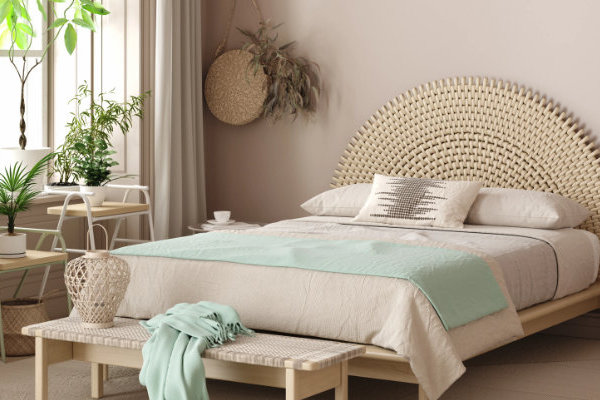
    sleeping room

    1. Exercise regularly to improve energy flow in the body.

    2. Avoid heavy meals, alcohol and caffeinated drinks before bedtime.

    3. Create a calm and relaxing atmosphere in the bedroom, avoiding bright lights and noise.

    4. Avoid working or using electronic screens before bedtime, so as not to overstimulate the brain.

    5. Maintain a regular sleep pattern by going to bed and getting up at similar times each day.

    6. Practise relaxation techniques such as meditation or deep breathing before bedtime to calm the mind.

    7. Avoid negative emotions such as anger, anxiety or stress, which can disrupt sleep by affecting the flow of energy in the body.

    Please do not hesitate to consult us if you have persistent sleep problems, so that we can provide you with an accurate diagnosis and appropriate treatment.