Spleen and hypertension

Spleen and hypertension

The role of the spleen in hypertension

Arterial hypertension (AH) corresponds to an abnormal increase in blood pressure on the artery walls. It is also defined by figures measured by a blood pressure meter: from…

In Traditional Chinese Medicine (TCM), hypertension is not considered a pathology, but a syndrome that alerts us to a dysfunction of certain internal organs. TCM diagnosis identifies the energy imbalances underlying these dysfunctions. These vary naturally from one individual to another.

Hypertension according to TCM

Chinese medicine is always interested in the causes of so-called diseases, and never stops at the symptoms alone. The factors that can lead to hypertension are extremely varied. It is generally accepted that they are closely linked to a healthy lifestyle. Among these, the psycho-emotional aspect plays a vital and recognized role in hypertension.

Excessive anxiety related to the difficulties of daily life, constant stress, and underlying depression can lead to high blood pressure.

While each organ can play a role in the development of hypertension, particularly the liver and kidneys, we have chosen to focus here on the role of the spleen in high blood pressure through the production of Tán.

Spleen functions

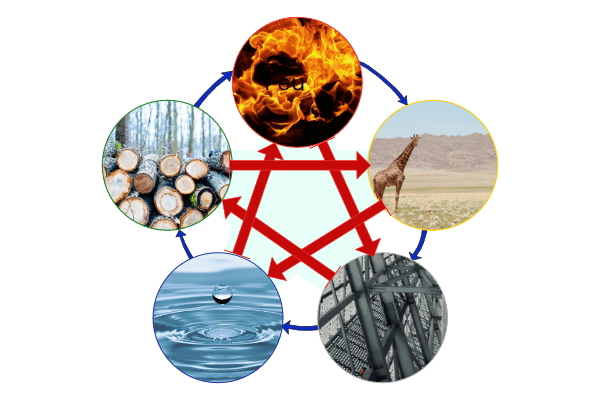
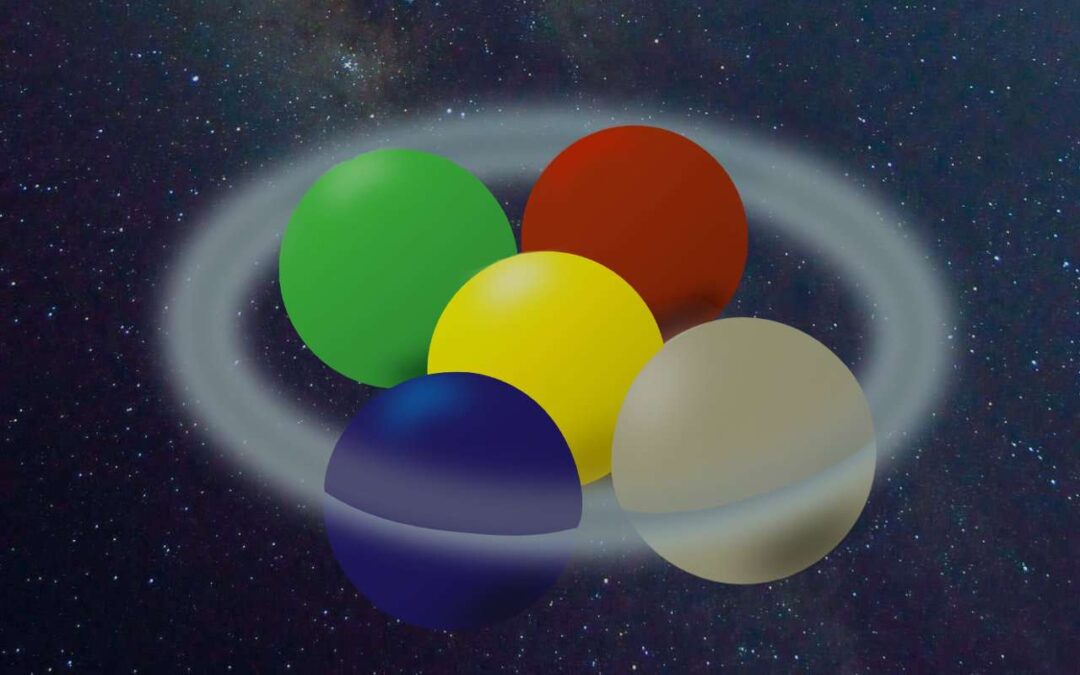
The Spleen is a very important organ in TCM. It belongs to the Earth in the Five Elements theory, and is linked to the emotion of anxiety. It is at the center of the body and has the property of “bringing up” and “bringing down” the essences it extracts from food.

The Spleen transforms food and drink into blood and qi. It also plays a role in sorting and eliminating waste through stool, urine and perspiration.

A high-quality diet is therefore essential for the proper energy balance of the spleen. However, our diet is often too rich, and we eat too much.

What’s more, we consume foods that provide a lot of moisture (sugars, fats), or foods that are too raw or too cold. In both cases, we damage the spleen.

If the spleen is weak, its transformation and elimination properties will be disrupted. The spleen will not be able to eliminate all the waste from the digestive tract, which will then turn into Tán, or phlegm. The Tán formed can be either cold or hot in nature, depending on the individual.

This Tán will settle in the most vulnerable areas of the body, particularly on the walls of the blood vessels, thus hindering the free circulation of blood.

It is through Tán that the spleen is linked to blood pressure. Tán obstructs the blood vessels, making them harder and less elastic. This particularly affects the heart.

L'angélique chinoise, trésor de la mtc

Tán and digestion

This explains the importance of a properly functioning spleen. It plays a decisive role in the quality of digestion. Thus, the same meal eaten by several people will not be digested in the same way by each person, depending on the state of their spleen and, more generally, their yin/yang balance. If the spleen is functioning properly, it can assist in the elimination of excess food.

As the role of the spleen is to transform nutrients into Qi and Blood, it is important that food is easy to digest. This limits the risk of stagnation of poorly digested food, which can generate Tán.

Finally, if the spleen is functioning properly, Tán, even if it is produced, can be easily eliminated and will not be deposited in the blood. Thus, Tán is always related to poor digestion or overeating.

Preventing the formation of Tán

Tán is not only one of the causes of high blood pressure, but it can also lodge in other parts of the body, particularly the lungs. This can lead to coughing, bronchitis, or asthma. Tán can also block the flow of qi, causing stagnation, poor blood circulation, and pain. Finally, Tán can also disturb the mind and cause mental confusion, anxiety, and depression.

As we have seen here, it is essential to maintain the spleen, and all of the organs in general, in a good state of energetic balance. Chinese medicine can restore the necessary balance through acupuncture or herbal prescriptions. However, patients must also take action to rebalance their lifestyle, particularly their diet (see below). They must also take care to manage their emotions better.

Diet and Tán production

Taking care of your diet is the best way to avoid Tán production. Here are the main foods to avoid:

  1. fried foods (French fries, doughnuts and breaded foods) oily and fatty foods, which are difficult to digest;
  2. Sugar and sweet foods, including sugary drinks (sodas, sweetened fruit juices, energy drinks, etc.) and alcohol;
  3. Dairy products (especially full-fat cheeses, whole milk, cream and yoghurts). These are humidifying and can therefore encourage the production of mucus;
  4. Cold foods and drinks. Cold or iced drinks, or food taken out of the fridge too cold, weaken the spleen. The same is true of too much raw food;
  5. Refined and processed foods from the food industry.

Care should also be taken with the cooking method. Some cooking methods are conducive to the production of mucus or Tán, such as :

  1. Frying, which increases the fat content of food;
  2. Grilling and roasting at very high temperatures;
  3. Cooking with a lot of oil.

On the contrary, we recommend :

  • Light cooking, such as steaming, which preserves the nutritional value of food while facilitating digestion;
  • Boiled or braised foods;
  • Hot, cooked foods such as soups and broths, which support spleen function;
  • Steamed, lightly sautéed or boiled vegetables;
  • Whole grains (brown rice, quinoa, oats, etc.);
  • Lean proteins (fish, chicken, legumes)

Understanding pain

Understanding pain

Tòng and bì syndromes

Pain is the number one reason for consultation, accounting for almost two-thirds of all medical consultations, particularly in Europe. It is therefore an essential and delicate element in patient care.

Generally speaking, pain is something unpleasant that happens in the body. But it is also, at the same time, a personal and therefore subjective mental experience.

The International Association for the Study of Pain (IASP) describes pain as “an unpleasant sensory or emotional experience associated with present or potential tissue damage.”

This means that pain, in addition to indicating physical damage (potential or present), is, like its opposite, pleasure, a subjective emotional attitude, which triggers and shapes behavior. Pain is therefore neither a simple perception nor a purely physical sensation. It is fundamentally a mental state.

An energy block

According to traditional Chinese medicine (TCM), pain is generally a sign of energy blockage. However, this varies depending on the location of the pain and its causes. TCM classifies pain according to:

  • whether it is permanent or intermittent;
  • whether it corresponds to painful numbness with swelling in the joints;
  • whether it is due to excess pressure, spasms, radiation, etc.

The problem is complex. Pain is treated by unblocking the meridians, expelling excess fluids or mucus, and releasing blood stagnation.

For long-term pain, acupuncture and/or Chinese herbal medicine are used to reduce the level of pain and provide relief. Moxibustion, massage, and cupping are also widely used to relieve pain. Pain rarely occurs on its own; it is usually symptomatic of an energy imbalance that will be detected by diagnosis.

According to TCM, the concept of pain can be divided into two main syndromes: tòng (emptiness) or bì (blockages).

Bì syndrome

Bì are painful obstructions of the meridians caused by a combination of three perversions, also known as “the three demons”: Wind, Cold, and Dampness.

Bì syndrome affects the skin, muscles, vessels, tendons, bones, and meridians.

Poor lifestyle choices and bad social or eating habits can hinder the circulation of Blood and Qi in the meridians, thereby promoting the onset of Bi-type diseases.

These include:

  • irregular sleeping patterns,
  • overwork,
  • a cold or damp home, exposing you to Cold, Wind, and Dampness,
  • alcohol abuse,
  • an overly rich or insufficient diet,
  • excessive eating that damages Jing and Blood,
  • intense emotions experienced in excess (Anger, Joy, Emotional Shock, Worry, Sadness, Overthinking, Fear)
  • bruising or blood stagnation after external trauma.

Tòng syndrome

Tong syndrome, on the other hand, most often stems from internal causes.

It occurs in the Five Organs and Six Entrails. It is also found in the “particular Entrails”: Brain, Marrow, Bones, Vessels, Gallbladder and Uterus. Here, we often diagnose a Yin vacuum, a Yang vacuum, a Qi vacuum or a Blood vacuum (or a combination of all four).

The functions of the human body, whether organic or psychic, are linked together in perpetual motion. Any slowing down or blockage (痹 – bì) of movement in any of the body’s functions can lead to pain.

Pain is therefore a vast subject insofar as it covers multiple realities. We must therefore distinguish :

  • where it occurs (outside or inside the body),
  • its origin: external (meridians) or internal (organs [qìguān] and viscera [zāngfǔ]),
  • its type: emptiness or fullness,
  • its nature: acute or chronic, etc.

Here too, the list is long, and taking an anti-inflammatory won’t solve the root of the problem. It’s essential to see pain as an alarm bell that should draw our attention to a change in our lifestyle.

Painful periods

respiration profonde

Many women experience pain before and/or during menstruation. According to a 2005 study, 50-70% of teenage girls experience permanent or occasional dysmenorrhea. For 15-20% of them, this pain even forces them to limit their activity or even go to bed. Worse still, many women experience these pains as normal, almost inevitable.

But there’s nothing normal about pain. These pains are signs of energy imbalances, and most often of blood and energy stagnation in TCM terms. By restoring the flow of energy through acupuncture and/or pharmacopoeia, Chinese medicine can put an end to these pains.

This involves mobilizing qi and blood, nourishing blood and toning qi. A personalized diagnosis will enable each patient to be treated appropriately according to the nature of the imbalances observed.

Thanks to these treatments, women can finally experience their cycles in comfort and serenity.

The large intestine

The large intestine

Elimination and letting go

In Chinese medicine, the large intestine (大肠 Dà cháng) is associated with the Metal element, the autumn season and the emotion of sadness. It is coupled with the Lung, yin organ of Metal.

The main function of the large intestine is to receive food ingested and transmitted by the small intestine. After absorbing part of the liquid, it excretes stool.

The Large Intestine, governed by Dryness, controls liquids. In other words, it absorbs the necessary quantity of liquids to ensure that it is neither too dry nor too moist. If it’s too dry, constipation ensues, and if it’s too wet, diarrhea.

Movement and routing

After receiving digested food from the small intestine, the large intestine transforms it into stool and ensures :

  • the stool circulates correctly,
  • that it is transported downwards.

In TCM, the Large Intestine is the minister in charge of circulation and transport. The movement of Qi from the large intestine is therefore clearly downward.

If this movement stops (stagnation), Qi then affects the Large Intestine and causes a disruption in downward movement. This then leads to abdominal distension and sometimes constipation.

Also, the Qi of the Spleen can collapse and then cause the collapse of the Qi of the Large Intestine, causing anal prolapse or blood in the stool.

It is the descending Qi of the Lung, the paired organ, that provides the Large Intestine with the Qi necessary for the effort required for defecation.

If the Lung Qi is insufficient, it cannot provide enough Qi to the Large Intestine for the function of defecation, resulting in constipation.

Conversely, if a person suffers from constipation, it can result in a disturbance of the descending function of the Lung, and therefore shortness of breath.

A waste disposal process

According to Chinese medicine, the organ pair Lung (yin) and Large Intestine (yang) is therefore associated with the autumn season and the emotion of sadness.

Autumn is the time when the energy cycle declines, and tree leaves fall and die. They are then decomposed by the rains. This process of death is essential, as it enables other forms of life to develop next spring.

This same process is at work in the human body. The large intestine helps us get rid of the old, of what we no longer need. This process involves eliminating not only waste from the digestive process, but also our mental and spiritual waste. After enjoying the harvest in body, mind and spirit, we must let go to make room for other life forms, for evolution.

Metal imbalances

Metal element disorders often affect the skin. Like the lungs, the skin is the only part of the body in direct contact with the outside air (the skin “breathes”). Like the large intestine, it eliminates toxins through perspiration. People with a Metal imbalance often have a history of dermatological problems: eczema, psoriasis, dermatitis, acne, etc. Or, more subtly, a history of skin problems. 

Lung and large intestine have an impact on the quality of our skin and our state of mind. According to Traditional Chinese Medicine, Metal, by extension, nourishes the skin, the throat, the sense of smell and the power of our voice.

The large intestine eliminates and evacuates the body’s waste products. Problems related to the large intestine are a sign of our fear of missing out, of making mistakes, of letting go.

Difficulties in letting go

If our Metal energy is weak, then our ability to let go will be unbalanced. Either we let go of things too soon, or we hold on to them for too long.

When a loved one dies, for example, it is normal to feel grief, which is a Metal emotion. If this loss does not affect us at all, or if, on the contrary, the sadness we feel lasts for years, this indicates that the Metal element is out of balance.

When we really can’t let go, every event, no matter how small, affects us greatly. We move forward in life looking back at the past.

A balanced Metal element creates in the individual an awareness of the divine spark within them. If this divine spark within us is cut off, it can lead to absolute resignation.

Nothing and no-one has any meaning or value. The individual sees no point in taking care of himself, let alone others. He’s always negative about everything he does, and falls into depression.

Others will try to compensate for this emptiness by displaying a perfect appearance. We’ll see people who take care of every detail of their appearance as well as their living space. In their home, everything is in its place, no thread sticking out, no wisp of dust making an appearance. They will seek to accumulate wealth and flaunt it in broad daylight in an attempt to create that impression of value through the eyes of others.

Rebalancing metal energy

respiration profonde

As we’ve seen, it’s important not to repress sadness, nor to cultivate it. Meditation and deep breathing can help us learn to accept our emotions without letting them overwhelm us. Keeping a diary can also help you let go of certain emotions.

This is particularly important in the case of sadness, which is linked to the lung and large intestine. Breathing deeply, consciously and for a long time can help cleanse any grief or sadness you may be holding inside.

Autumn, the season associated with metal, is the time to focus on root vegetables. It is advisable to slightly increase consumption of foods with an acidic taste, such as sourdough bread, lemons and limes, grapefruit, pickled and fermented foods, leeks, azuki beans, vinegar, rosehip tea, yoghurt, etc. White foods, such as onions, garlic, turnips, radishes, daikon, cabbage, pears, etc., are traditionally considered lung-protective.

People suffering from dryness (dry cough, dry throat, dry skin, etc.) may wish to consume moister foods, such as tofu, tempeh, spinach, barley, millet, pear, apple, persimmon, seaweed, almonds, pine nuts, sesame seeds.