Causes of illness

Causes of illness

Internal and external causes

Chinese medicine is known as traditional medicine. Like all traditional medicine, it seeks, through its diagnosis, to identify the cause(s) of a pathology.

According to Traditional Chinese Medicine (TCM), health is the result of a healthy overall energy balance. Illness occurs when this balance is disrupted. TCM then focuses on re-establishing this balance.

Its diagnosis therefore focuses on the balance between organ health (yin) and organ function (yang). It also determines energy imbalances according to the theory of the five elements, each organ being linked to one of these five elements, or five energies.

TCM classifies the causes of illness into two main categories:

  • internal causes,
  • external causes.

    Internal causes

    One of the main factors of internal origin is our emotional state. Emotions and the way we experience them affect our organs. In this way, emotions experienced excessively, for too long, or on the contrary totally repressed, will cause energy imbalances over time.

    Here’s an overview of how each emotion, linked in TCM to an organ and an element, impacts our health.

    La colere cause interne de maladie
    • Excessive anger, frustration, and repressed anger can damage the liver by hindering the free flow of energy in the body. This stagnation of energy can cause pain, muscle tension, headaches, or digestive problems.
    • Hysteria, excitement, elation, and excessive laughter can cause an imbalance in the heart and disrupt sleep and even speech.
    • Obsessive thoughts, mental rumination, and excessive intellectual work can unbalance the energy of the spleen. This can lead to digestive problems, dizziness, a feeling of mental fogginess, fatigue upon waking even after a long night’s sleep, and, for women, menstrual disorders.
    • Sadness, regret, depression, and melancholy affect the lungs and the diffusion of energy throughout the body, which can result in spontaneous sweating, dyspnea, and a weak voice.
    • Fear, phobias, apprehension, and paranoia will damage the kidneys and can cause chronic low back pain, incontinence, night sweats, and sometimes tinnitus.

    We will not go into further detail here about the internal causes of disease in order to focus on the external causes, which are the five climatic energies. There are, of course, other factors that can trigger disease apart from internal and external causes.

    External causes

    Everyone has heard of the five elements (or five energies), but few know that this is a model or template that can be applied to several areas. Thus, in TCM, the external causes of disease are linked to abnormal climatic variations, which are then perceived as pathogenic factors. These are likely to invade the body and disrupt the Yin/Yang balance, thus generating a large number of diseases.

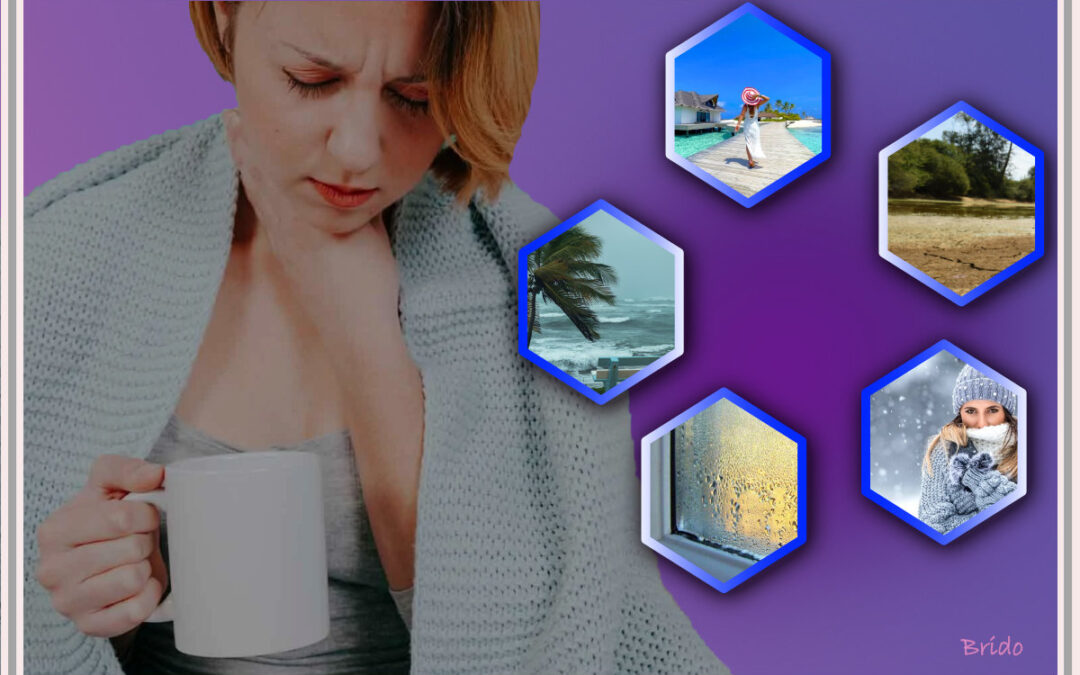
    These climatic anomalies, or climatic perversions, are classified according to the theory of the five elements into five climatic energies, each linked to an element according to the table below.

        • Wood: wind
        • Fire: heat wave
        • Earth: humidity
        • Metal: drought
        • Water: cold

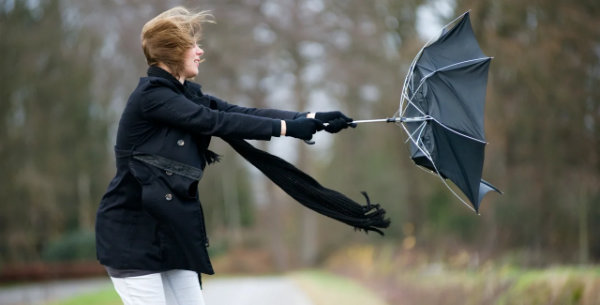
    Wind

    Wind is a pathogenic factor in itself; it is Yang. It induces movement and causes other climatic phenomena. It spreads and displaces pathogenic elements.

    The wind we are referring to here is, of course, the climatic factor, not the internal wind, which is a concept specific to TCM and will not be discussed here.
    Femme avec parapluie renversé par le vent

    Heatwave

    Heatstroke is Yang in nature. It is extremely penetrating. It causes fire and also dryness. It penetrates the body following prolonged exposure to intense heat (sauna, sun). It causes sweating, agitation, thirst, and fatigue. When it penetrates deeply, it can cause urinary tract infections. Heat waves cause sunstroke or heatstroke.

    When this heat comes from the transformation of pathogenic factors that stagnate in the body, it turns into fire. Fire is an aggravation of internal heat.

    Dryness

    Dryness is Yang in nature and damages the blood, drying up bodily fluids and causing dehydration. It is caused either by a dry climate or by dehydrating phenomena (diarrhea, heavy sweating, repeated vomiting).

    If the lungs are affected, a dry cough will develop. If the intestines are affected, some form of constipation will appear.

    Cold

    External cold penetrates the body following prolonged exposure to cold, either by staying in cold places for long periods of time or by frequently eating cold foods.

    When there is a lot of cold, Yin becomes abundant, and too much Yin tends to harm Yang. When cold blocks the dynamism of Yang, it can no longer perform its functions of managing Qi and providing warmth, leading to the onset of illnesses characterized by a decrease in the body’s activity: reduced vitality, exhaustion, and sensitivity to cold.

    This can lead to joint pain, muscle aches, back stiffness, intestinal pain, and diarrhea. Other symptoms include lumbago and stomach flu.

    Humidity

    TCM considers Dampness to be heavy and sticky. It tends to sink or stick close to the ground, and is difficult to get rid of. We readily associate it with something improper or murky… fungi, molds and algae thrive in damp environments. It is on the basis of these particular characteristics of Humidity that TCM qualifies different states of the organism.

    Humidity is of the Yin type, and therefore injures the body’s Yang energy. It is caused by exposure to a humid climate. Humidity hinders movement, slowing everything down.

    It causes a feeling of heaviness, general fatigue, joint pain with swelling, the sensation of a crowded head, abdominal distension and loose stools.

    Humidity often affects the lower part of the body and the pelvis (leucorrhoea may appear). In extreme cases, moisture in the body is transformed into mucus, which can cause cysts, tumors or circulatory disorders (excess cholesterol in the blood). The spleen is also affected. Moisture damages the spleen, which is no longer able to perform its transformative function properly.

    Resisting climate perverts

    Of course, these climatic perversions do not affect individuals in the same way. An individual’s ability to resist these perversions depends on his or her capacity to resist, and therefore on the strength of his or her Zheng Qi. Zheng Qi can be translated as Straight Qi or Correct Qi.

    Zheng Qi is thus the synthesis of the vital Qi that ensure the proper functioning of the organs, Qi and Blood, as well as the Yin/Yang balance and harmony between the body and its environment.

    This is why the strength of Zheng Qi will determine whether or not an individual falls ill. The climatic perverse is merely the triggering factor.

    Fatigue according to the 5 elements

    In TCM, the 5-element theory is applied in various fields. It also applies to fatigue. Before we reach the point of exhaustion or “burn-out”, let’s take a look at our state in terms of the 5 energies.

    Wood-type fatigue

    Physical signs: excessive sighing, premenstrual syndrome, irregular periods, lump in the throat, tendon tension…

    Emotional state: irritable, moody, impatient, too many expectations of self, perceived as “aggressive” OR as a doormat.

    Causes: constant stress, feeling trapped, tight schedules, frustration, agitating environmental factors (too much noise, frequent disagreements, etc.).

    Fire-type fatigue

    Physical signs: restless sleep, memory loss, flushed feeling, spontaneous sweating, heart palpitations.

    Emotional state: controlling, feelings of rage, excessive vulnerability, significant lack of joy.

    Causes: lack of intimacy with self, prolonged exposure to other people’s negativity.

    Earth-type fatigue

    Physical signs: tiredness after meals, loose stools, bloating, lazy legs

    Emotional state: unmet needs, feeling misunderstood, longing for things other than those already acquired, jealousy.

    Causes: overthinking, sitting too long or too often, poor diet.

    Metal-type fatigue

    Physical signs: tired after long talks, shortness of breath, sweats easily, tired after exercise, feels cold, gets sick easily, chronic cough, prone to allergies, chronic fatigue, eczema.

    Emotional state: overly critical, hard on self or others, demanding precision/overly perfectionist, “unfair”, sense of loss and grief, quickly cuts ties, holds grudges.

    Causes: very frequent use of voice (e.g. teachers), untreated grief, hereditary factors, lower gastrointestinal problems.

    Water-type fatigue

    Physical signs: adrenal fatigue, hair loss, low back pain, cold limbs, low libido, erectile dysfunction, fertility problems, urinary frequency.

    Emotional state: difficulty staying still, “too tired”, restless, anxious, fearful, worried about money, overly tolerant of risk OR frozen in fear.

    Causes: prolonged periods of overwork, persistent anxiety/fear.
    Cupping therapy

    Cupping therapy

    Relax and detoxify with cupping therapy

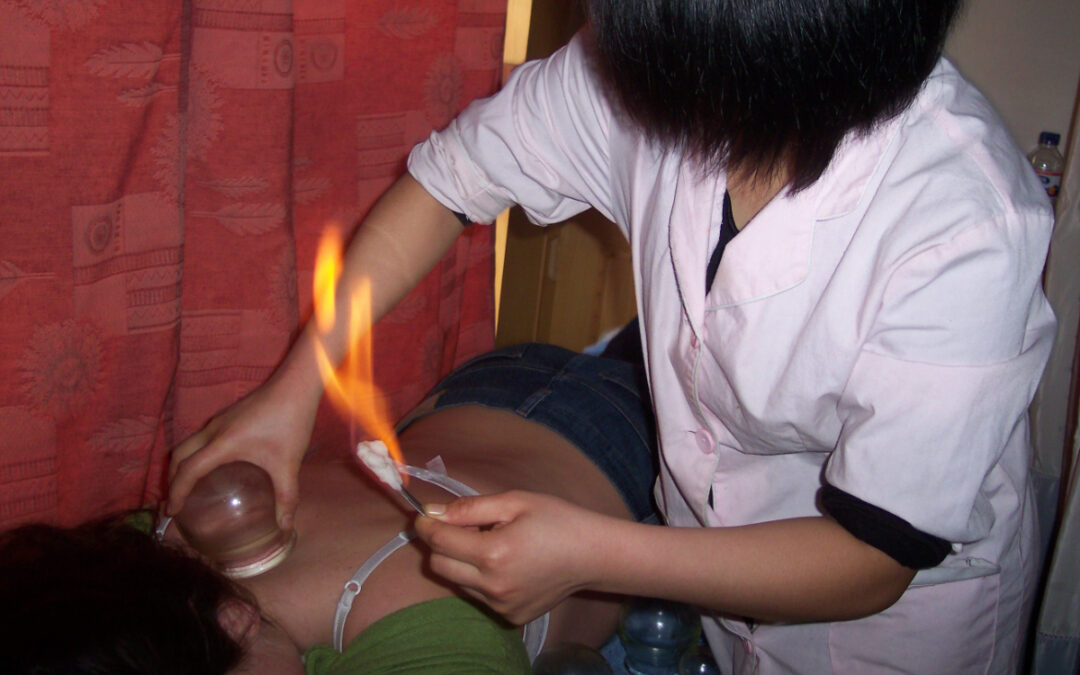
    Cupping therapy is an ancient technique adopted by the Egyptians, Greeks, Romans, and Chinese. Rediscovered and praised by Hippocrates, it was practiced by our grandmothers until the end of World War I, before the advent of antibiotics.

    Used in China as a healing method for thousands of years, this technique has evolved over time to become part of the arsenal used by Chinese doctors. Cupping therapy aims to balance the flow of vital energy (qi) in the body. Cupping is used to stimulate blood circulation, lymph, and energy in the body.

    The suction cup draws pathogenic factors such as wind, cold, and heat to the surface, thereby draining and eliminating them. This is what makes this technique effective for colds and bronchitis. By drawing blood to the surface, cupping also relieves pain associated with muscle tension or stiffness, as it releases the blood stasis that causes this pain.

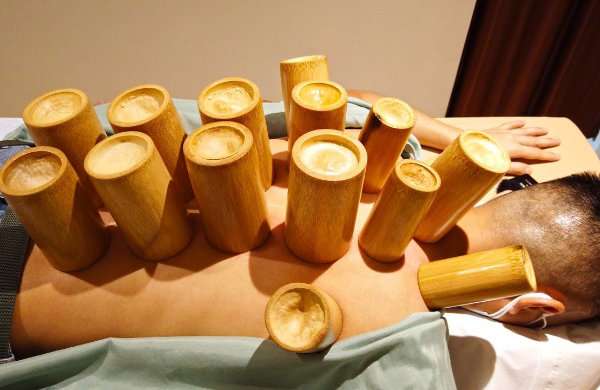
    Formerly made of cow horn or bamboo, cupping cups are now most often made of glass, plastic, or plexiglass.

    How does the suction cup work?

    According to the principles of Traditional Chinese Medicine (TCM), pain at an acupuncture point is a sign of dysfunction in the corresponding organ. Cupping is performed on the skin at acupuncture points along the meridians, specifically at points that are painful.

    Applying one or more cupping glasses releases blockages in the organ, helping to relax and relieve congestion.

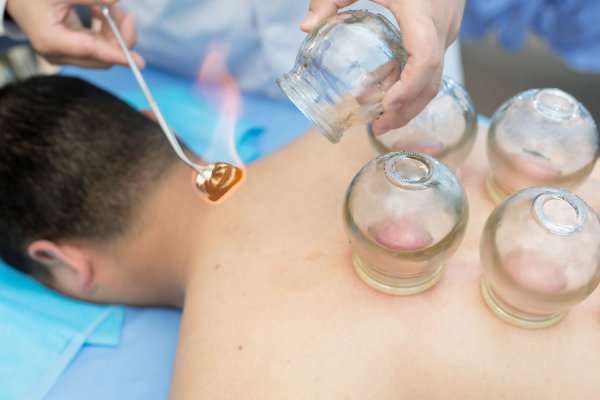
    The vacuum under the glass cup is created by burning oxygen with a flame, or in more modern versions, using a manual pump on plastic cups. The cups can be fixed on the body’s tension points, or moved around as a massage tool on oiled skin.

    Some patients like to receive cupping treatment once a week as a preventive measure.

    In cases of stress, joint or muscle pain, upon waking, before sleeping, before physical exertion, or after intense exercise, cupping will always be useful for providing relief and making our patients’ days more comfortable.

    Cupping causes blood to rise to the surface, which is generally a sign of many impurities. The bruise will be visible for 2 to 4 days. As the sessions progress, the bruise will fade.

    Cupping is an effective aid, complementing ongoing treatment, such as acupuncture. In cases of acute pain or crisis, it can be used more regularly.

    The different cupping techniques

    The techniques used for cupping vary depending on the suction method, suction power, area treated, other materials used with the cups, etc. The techniques include:

    • Dry cupping:
      A vacuum is created inside the cups using fire or a manual pump. Dry cupping is also known as static cupping.
    • Mobile (massage):
      Oil is applied to the skin and the cups are moved with low suction. Massage cups are also called dynamic cups, sliding cups, and mobile cups.
      Flash (or empty cups):
      The cups are applied for a short period of time, less than 30 seconds at a time. This is also known as empty cupping.
    • Wet:
      The skin is lightly pierced before applying the cups. This method is also known as blood cupping.
    • Herbal:
      The practitioner boils a herbal solution, dips bamboo cups into it, and applies the slightly cooled cups to the skin.

    It should be noted that techniques are evolving towards magnetic or electrical systems. As far as we are concerned, we are keen to maintain traditional techniques.

    The benefits of cupping

    In general, the influx of blood to the area where the cup is placed will drain toxins. The suction effect activates blood circulation where the cup is placed.

    This localized congestion reduces pain, releases blockages, accelerates the recovery of tired muscles, and improves tissue repair.

    Cupping therapy is known to relieve discomfort and improve quality of life. The following conditions may improve with this technique:

    • Low back pain. Cupping helps reduce pain and improve function in people with acute and chronic low back pain.
    • Fibromyalgia. Cupping therapy, alone or with acupuncture, helps relieve pain in patients with fibromyalgia.
        • Chronic neck pain. Cupping therapy helps relax the neck muscles and make them more flexible.
        • Heavy menstrual bleeding. Dry cupping helps reduce the amount of menstrual blood flow in women with menorrhagia.

        Cupping therapy also shows improvements in:

        •  digestive problems,
        • lung and respiratory tract diseases, including bronchitis, asthma, and pneumonia,
        • high blood pressure,
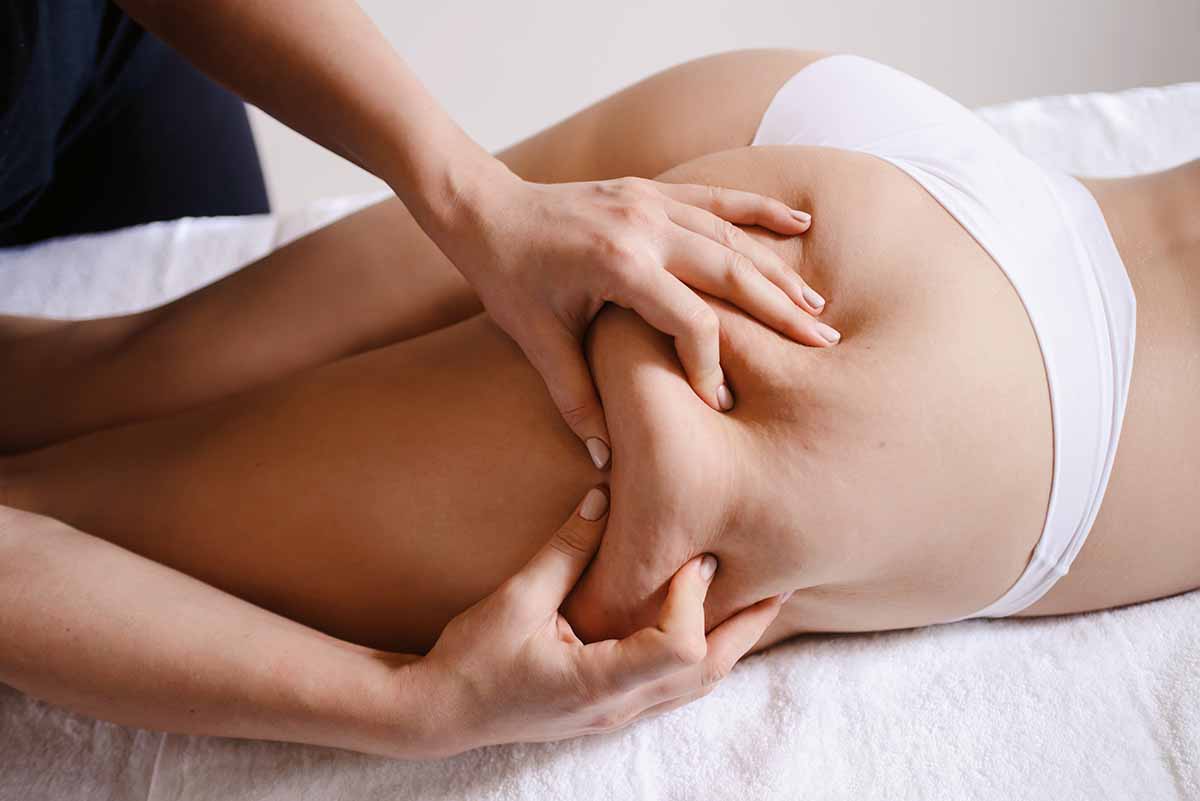
        • cellulite,
        • tendinitis,
        • sprains,
        • cramps,
        • sports recovery,
        • stress,
        • sleep disorders,
        • skin problems.

        A cupping session

        Tuina

        Tuina

        An ancient energy technique

        According to ancient Chinese beliefs, animals practiced massage long before humans did. They used it for comfort, grooming, and even healing. It was therefore only natural that humans, due to their animal instincts, used massage on themselves, their children, or their partners. We are all familiar with the reflex to immediately rub an area of our own body after receiving a blow.

        Thus, Chinese massage is considered to be the oldest branch of Chinese medicine. Massage techniques have evolved; they have been refined and systematized over the centuries. Tuī Ná is the culmination of this science, born from this natural instinctive gesture.

        Ancient writings dating back to the Shang Dynasty (1800 BCE) describe massage methods for treating infants.

        The most famous ancient text on Traditional Chinese Medicine (TCM), Huang Di Nei Jing (The Yellow Emperor’s Classic of Internal Medicine), completed between the first century BCE and the first century CE, includes passages on the use of these massage techniques and their use in the treatment of certain diseases.

        Chinese massage is listed as a major treatment method. Since the Wei and Jin dynasties (220–420 CE), Tuī Ná massage departments have been official specialties in the Chinese government’s healthcare system.

        A branch of TCM

        Tuī Ná, literally pushing (tui – 推) and grasping (na – 拿), is a discipline in its own right within Traditional Chinese Medicine (TCM). It is sometimes also referred to as An Mo (按摩), which refers to massage in general and means “to calm through touch.”

        Tuī Ná massage therefore follows the Taoist principles that form the basis of this medicine, which is based on energy balance.

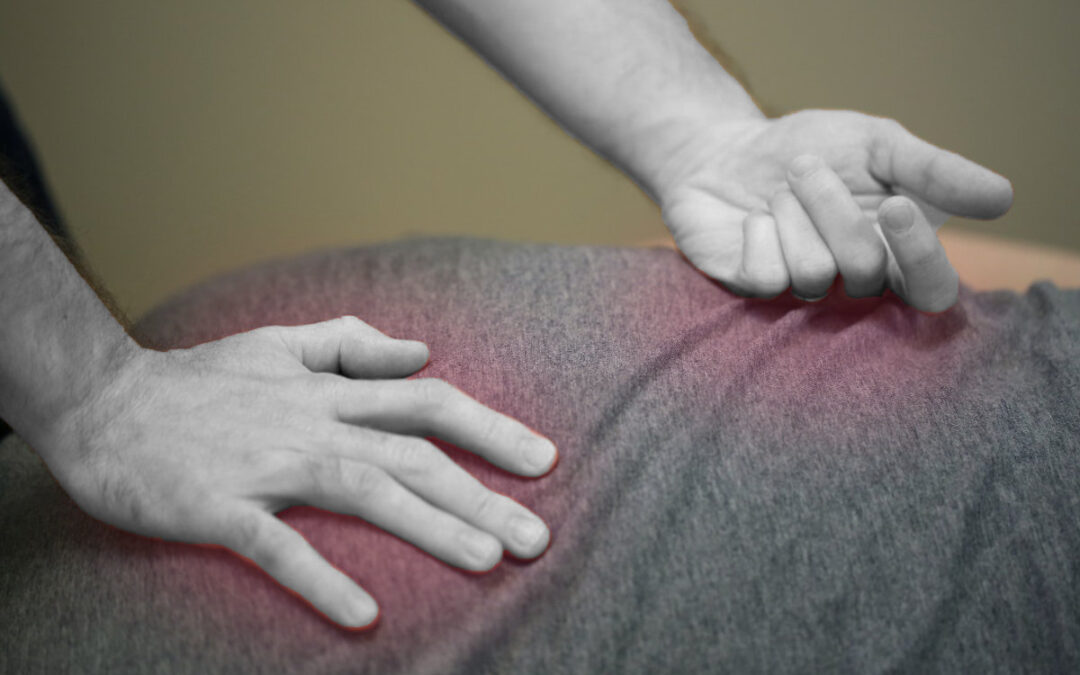
        The practice of Tuī Ná is therefore specific to China and takes into account meridians and acupuncture points. Tuī Ná comprises around thirty techniques and maneuvers that aim to either disperse energy blockages or stimulate or tone the qi or vital energy.

        These techniques include “mo fa,” which means circular rubbing, “Ya fa,” or overpressure, and “ma fa,” which means wiping (or rubbing). It also includes massage of certain acupuncture points (acupressure), as well as stretching and joint mobilization techniques.

        This massage, by acting on reflex zones, has the effect of balancing and stimulating both the body and mind. Its goal is to circulate and rebalance energies, which also has an impact on emotional balance since, in TCM, everything is connected. Any muscle or ligament tension will cause an energy blockage, affecting the free flow of qi and therefore overall health. Similarly, strong emotional stress can eventually lead to energy blockages and even muscle tension. This can cause pain.

        Numerous health benefits

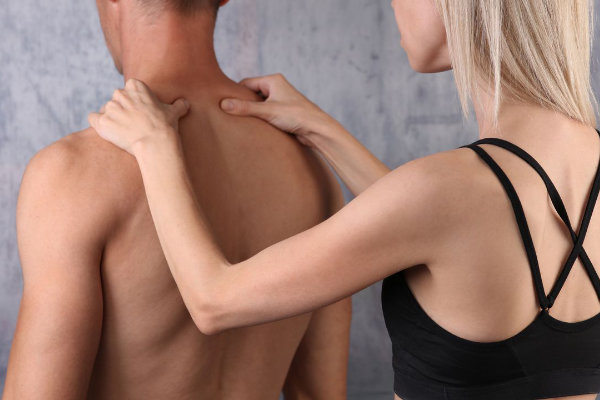
        Tuī Ná massage is generally performed without oil, sometimes over clothing or through a piece of cotton fabric. It promotes healthy organ function, particularly through acupuncture points, thereby preventing illness. It is also effective in reducing or even eliminating muscle and joint pain.

        According to modern research, Tuī Ná is a therapy that regulates the circulatory, respiratory, endocrine, immune, and nervous systems. It also aids digestion and improves muscle and skin metabolism.

        It has been shown to be effective in, among other things:

        • Alleviating the symptoms of Parkinson’s disease
        • Reducing pain associated with fibromyalgia
        • Improving dizziness associated with cervical osteoarthritis
        • Relieving the symptoms of primary dysmenorrhea
        • Contributing to the treatment of cervical radiculopathy

        The qualities of a Tuī Ná practitioner

        It is difficult to explain in technical terms what makes a good Tuī Ná, because it is related to energy.

        This is why Tuī Ná practitioners must train for several years to integrate this energetic dimension.

        According to the tradition of Chinese medicine, they must first develop their energy through disciplines such as qi gong, tai chi, and even kung fu. These practices allow them to optimize their own vital energy and refine their sensitivity to perceive and identify the energies around them.

        They will spend time in nature, learning to understand the language of plants. They will also learn to understand and use the healing energy of sacred places. Over time, they will be able to sense stagnations of energy, as well as blood.

        A good Tuī Ná massage depends on the practitioner’s energy, their sensitivity, and their ability to transmit energy. This requires them to be firmly grounded, with flexible and relaxed joints, in order to ensure good energy flow. They must breathe deeply and fully from the abdomen. If they are tense, they will not be able to provide the same quality of energy. Their whole body is engaged in the massage.

        This is why a good Tuī Ná massage is a truly therapeutic tool that works deeply. Even though it is often painful, it is nonetheless beneficial.

        Awaken the Tuī Ná masseur within you

        Massage en couple

        We encourage everyone to find ultimate happiness. Since massage is instinctive and natural, why not give it a try? We suggest you start by working on deep relaxation and breathing. To do this, you can practice tai chi, qi gong, or any other practice that brings you to mindfulness.

        At the same time, you can start practicing Tuī Ná with your loved ones. To do this, put on loose-fitting clothes, release all your tension, and start with one technique. Don’t exceed ten minutes at first. Then debrief with your partner so that they can verbalize their feelings.

        You can get inspiration from this simple video. Feel free to spend time in nature or with your favorite animal before practicing Tuī Ná. Practicing this art will change how you feel and help you reconnect with yourself. This will gradually improve your health.

        Never practice Tuī Ná in the following cases:

        • When you are in a bad mood or upset
        • After an argument
        • When you are feeling very sad or angry
        • Immediately after your secular work
        • When you are ill

        This list is not exhaustive. As you will have understood, massage is an exchange. It is therefore with a beautiful disposition of heart that you will offer the best to those around you… and to yourself.