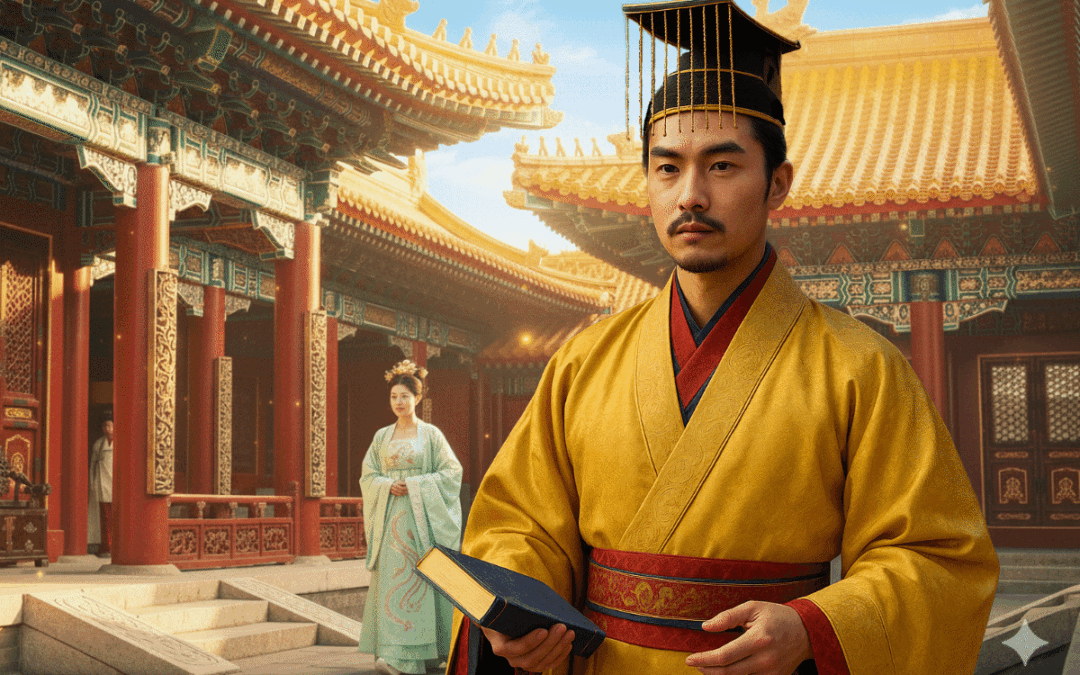
Huang Di: The Yellow Emperor

Huang Di: The Yellow Emperor

The father of Chinese Medicine

The Yellow Emperor, Huang Di (黃帝), occupies a unique place in the Chinese imagination and collective memory. He is also a key figure in the origins of Traditional Chinese Medicine (TCM). Indeed, tradition attributes to him the authorship of the Huangdi Neijing (黃帝內經, The Inner Canon of the Yellow Emperor), the foundational text of TCM.

A semi-legendary figure, he is believed to have been born in the 27th century BCE and to have reigned for approximately a century. More than just a sovereign, he represents a sage, an inventor, and a spiritual guide. His virtues make him a role model in many respects and an inspiring figure.

A civilizing hero

According to ancient chronicles, such as the Shiji of Sima Qian (1st century BCE), Huang Di was born in the Youxiong Plain under the name Xuanyuan (軒轅). From a young age, he distinguished himself by his extraordinary intelligence, insatiable curiosity, and innate sense of governance.

His reign is associated with the settlement of populations, the establishment of stable political structures, and numerous inventions. Traditions attribute to him, in particular, the institution of the calendar, the domestication of animals, the use of boats, the introduction of ritual music, and the invention of writing, thanks to his minister Cang Jie.

Thus, Huang Di is not only a political leader but also a civilizing hero. He is said to have “united the scattered tribes under one sky” and that “through his virtue, he fostered harmony among humankind.”

The contribution to Chinese medicine
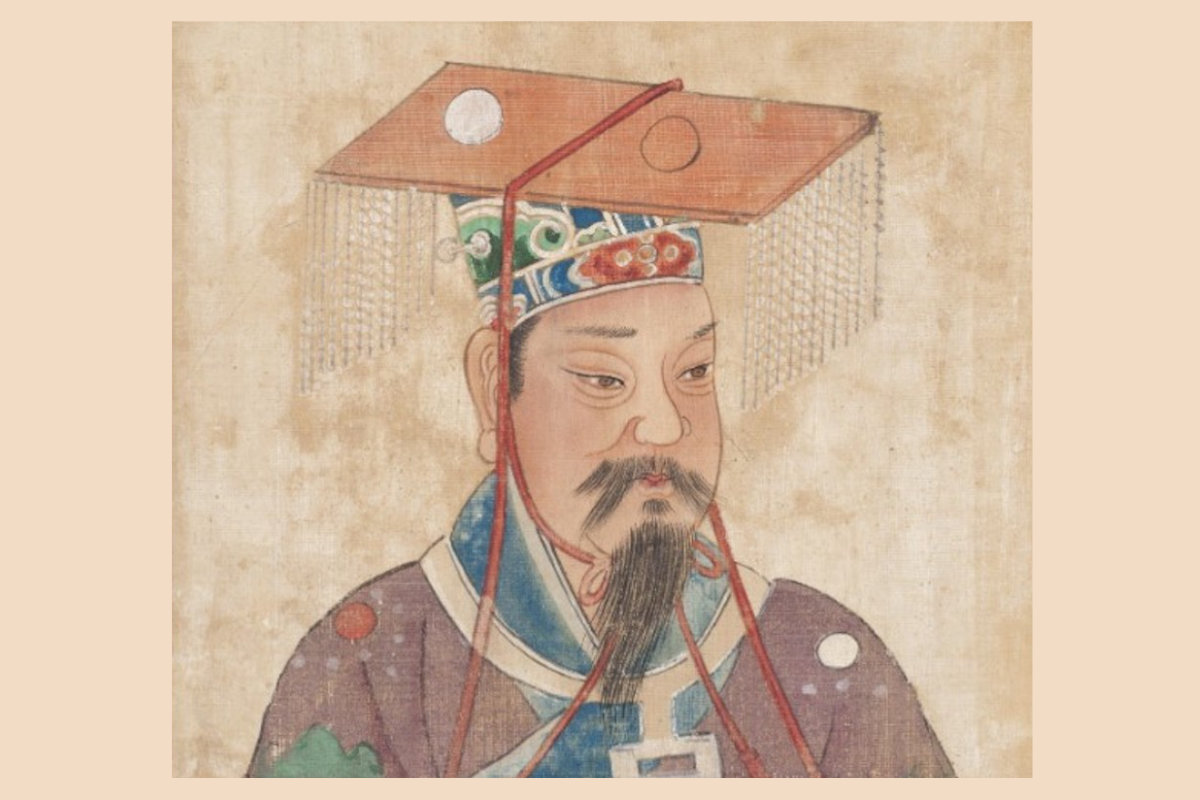
l'empereur jaune, Huang Di

Huang Di is considered the author—or the inspiration—of the Huangdi Neijing (黃帝內經, Yellow Emperor’s Inner Classic), a work that remains a key reference for contemporary Chinese medicine. Although it is unlikely that he actually wrote this text, tradition attributes its authorship to him, a testament to the moral and intellectual authority he held.

The Neijing takes the form of dialogues between Huang Di, the Yellow Emperor, and his physician, Qi Bo. The emperor asks questions, the physician answers; together, they explore the nature of the human body, the causes of illness, and methods of prevention.

The text (see box) lays the foundations of Chinese medical thought: the balance between Yin and Yang, the circulation of Qi (vital energy), the role of the five elements (wood, fire, earth, metal, water), and the intimate connection between humankind and nature: “Humankind is born from the Earth, depends on Heaven, and is governed by the Dao.”

According to him, the physician’s role is primarily to prevent illnesses from arising: “Treating an illness that has already manifested is like digging a well when one is thirsty, or forging weapons after a war has begun.” (Neijing, Suwen, chap. 2). This preventative approach, still central to Traditional Chinese Medicine, reveals the pragmatic and visionary intelligence attributed to the Yellow Emperor.

Virtues and personality

Huang Di is described as a model of wisdom, temperance, and virtue. He is a sovereign who listens to his advisors, respects the laws of nature, and governs by example. He follows the path of the “golden mean”: neither excess nor deficiency, but a constant pursuit of harmony. In the Neijing, he emphasizes the importance of living in accordance with the seasons: “In spring and summer, nourish growth; in autumn and winter, protect contemplation. He who follows the path of the seasons avoids illness.”

Thus, Huang Di embodies an innate ecological awareness, based on a profound respect for the cycles of life and the interdependence between humankind and its environment. On a moral level, he is the archetype of the wise and benevolent sovereign, at the service of his people. He governs not by force, but by virtue. He is “the son of Heaven who enlightens mankind without dominating them.”

Heritage and posterity

Huang Di’s influence has endured through the ages. He remains a key figure in Chinese political, philosophical, and medical thought. His veneration continues to this day, notably in Huangling, Shaanxi Province, where annual ceremonies honor his memory.

His legacy is also reflected in the central role of health in Chinese culture. By placing prevention, balance, and natural regulation at the heart of his teachings, Huang Di inspired not only medicine but also the philosophy of daily life: diet, breathing, and energy practices such as qigong.

Huang Di thus embodies a timeless ideal: that of a sovereign who unites science, wisdom, and spirituality. He reminds us that governing, like healing, consists above all in maintaining balance and respecting the laws of life: “The wise person observes Heaven and Earth, understands the energies, and protects life.”

Thus, the figure of Huang Di continues to profoundly influence Chinese culture today. He is a symbol of the unity of the Chinese people and of ancestral wisdom. His model continues to inform contemporary Chinese medical and philosophical thought.

The Huangdi Neijing, a masterpiece of TCM
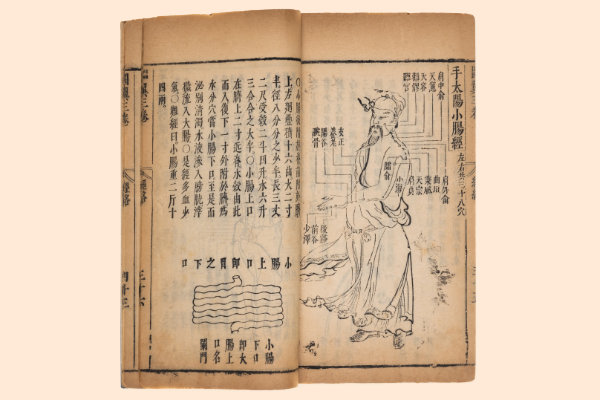
Huangdi Neijing

The Huangdi Neijing (黃帝內經, Yellow Emperor’s Inner Classic) is considered the foundational text of Traditional Chinese Medicine. Likely composed between the 3rd and 1st centuries BCE, it is divided into two main parts: the Suwen (素問, Simple Questions) and the Lingshu (靈樞, Spiritual Pivot). The Suwen addresses major medical theories: Yin-Yang, the Five Elements, Qi, the causes of disease, prevention, and dietetics. The Lingshu focuses more on practical matters, particularly acupuncture, detailing the meridians and energy points.

The dialogue format between Huangdi and his physician Qibo brings the text to life: the emperor asks pertinent, sometimes naive, questions, to which Qibo responds with clear and philosophical explanations. This pedagogical style reflects the idea that knowledge is the result of exchange, not imposition.

Among its key principles is the idea that health depends on a dynamic harmony between humankind and nature. Thus, “human beings are microcosms reflecting the macrocosm,” and their imbalances represent a disruption of natural cycles.

Even today, the Neijing serves as a reference for practitioners of Traditional Chinese Medicine (TCM). It is not only a medical manual but also a philosophical treatise, where science, spirituality, and empirical observation converge. As a famous phrase from the Suwen emphasizes: “The wise person does not treat the disease, but rather what precedes it.”
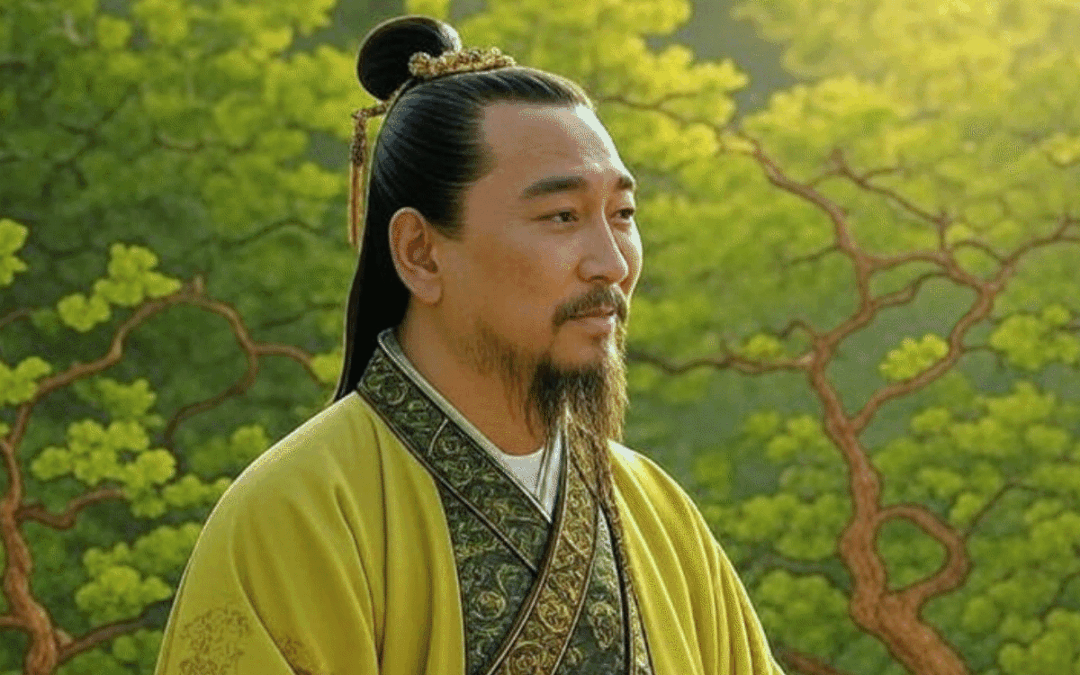
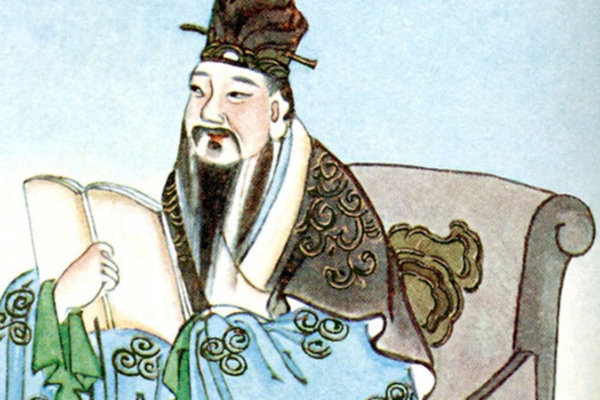
Mencius

Mencius

Mencius, the philosopher of the human heart

In the tumultuous Warring States period of China (475-221 BCE), where kingdoms relentlessly vied for supremacy, one man rose up to defend an idea as simple as it was profound:

human nature is fundamentally good.

This man was Mencius, or Mengzi (372-289 BCE), considered the second great thinker of Confucianism after Confucius himself. His work, recorded in the ‘Mencius,’ one of the Four Books of the Confucian canon, continues to inspire generations with its belief in the innate goodness of humankind and its vision of a harmonious society founded on virtue.

A heir of Confucius

Born in the state of Zou, not far from Confucius’s birthplace, Mencius grew up in the spiritual shadow of the great master. It is said that he studied under a disciple of Zi Si, Confucius’s grandson, absorbing Confucian teachings which he then sought to defend and adapt to the realities of his time. At a time when China was torn apart by wars and rivalries, Mencius embarked on a journey through the kingdoms, searching for an enlightened ruler, a “wise king” capable of embodying the ideals of justice and benevolence. His dialogues with princes, full of wisdom and sometimes audacity, are recorded in the Mencius, a collection of seven books named after his principal interlocutors.

Unlike Confucius, whose teachings were often austere and focused on ritual, Mencius approached philosophy with a warm humanity, emphasizing the human heart. He believed that kindness was a seed present in every individual, ready to germinate if the conditions were right. This conviction set him apart from other thinkers of his time, such as the followers of Mozi, who advocated universal love without distinction, or those of Yang Zhu, who prioritized individualism. Mencius, for his part, defended a Confucianism rooted in social hierarchies and moral virtues.

A childhood shaped by virtue

The story of Mencius is also that of his mother, a legendary figure in Chinese tradition. Determined to provide her son with an environment conducive to his development, she moved three times to escape harmful influences. In a neighborhood of gravediggers, young Mencius played at digging miniature graves; near the slaughterhouses, he imitated the butchers. Finally, she settled near a school, where the child found a favorable environment for his education.

Another famous story highlights this mother’s wisdom. One day, seeing Mencius return home early from school, she cut in two a piece of fabric she had been carefully weaving. Seeing her son’s astonishment, she explained, “By abandoning your studies, you are doing exactly as I am: destroying precious work.” Moved by this lesson, Mencius returned to his studies with fervor, laying the foundations for his future greatness.

The goodness in the heart of Man

At the heart of Mencius’s philosophy lies a revolutionary idea for his time: that humans are born with an innate moral sense. To illustrate this principle, he evokes a universal scene: if someone sees a child about to fall into a well, their first reflex will be to panic and want to save them, not out of self-interest or fear of judgment, but out of pure compassion. This spontaneous reaction, according to Mencius, reveals humanity’s natural goodness. “Without a compassionate heart, one is not human,” he asserted, making compassion, shame, humility, and discernment the four pillars of humanity.

For Mencius, morality distinguishes humans from animals. But this innate goodness can be stifled by a poor environment or adverse circumstances. Education, therefore, does not consist of imposing strict rules, but of cultivating these natural virtues, like a gardener tending a plant without forcing it to grow. He illustrates this idea with the parable of the Song dynasty man, who, impatient to see his shoots grow, pulled them upwards and destroyed them. To force human nature is to destroy it; education must be patient and respectful of each individual’s pace.

A humanist political vision

Mencius was not content with merely reflecting on the individual; he wanted to transform society. In an era marked by wars and the selfishness of rulers, he advocated for a benevolent government, guided by virtue.

According to him, a sovereign derives his legitimacy from the “Mandate of Heaven,” but this mandate is manifested through the support of the people. A king who neglects the well-being of his subjects loses this legitimacy, and the people have the right to revolt, even to overthrow him.

This audacious, almost revolutionary idea made Mencius a strikingly modern political thinker.

He urged rulers to govern by example, cultivating virtue and educating their people. A prosperous state, he believed, rests on morally educated citizens, capable of compassion and integrity.

Unfortunately, the princes he encountered, more preoccupied with war than with peace, remained deaf to his appeals. Disappointed, Mencius withdrew to devote himself to teaching, training disciples in a private school where he transmitted his ideals.

A timeless legacy

Mencius

“He who goes to the very depths of his heart knows his human nature. To know one’s human nature is then to know heaven.”

The Mencius, with its lively dialogues and accessible anecdotes, remains a major work of Chinese thought.

Translated into French by scholars such as Guillaume Pauthier and André Lévy, it continues to inspire through its faith in human goodness and its call for a just society. In Korea, where it is called “Maeng-ja,” and in Japan, where it is known as “Mǒshi,” its influence endures in education and culture.

Mencius reminds us that morality is not an external constraint, but an inner strength that simply needs to flourish.

In a world often chaotic, its message still resonates: believing in the goodness of humankind paves the way for a better future. Like a well-cultivated plant, humanity can flourish if given the love, patience, and care it deserves.

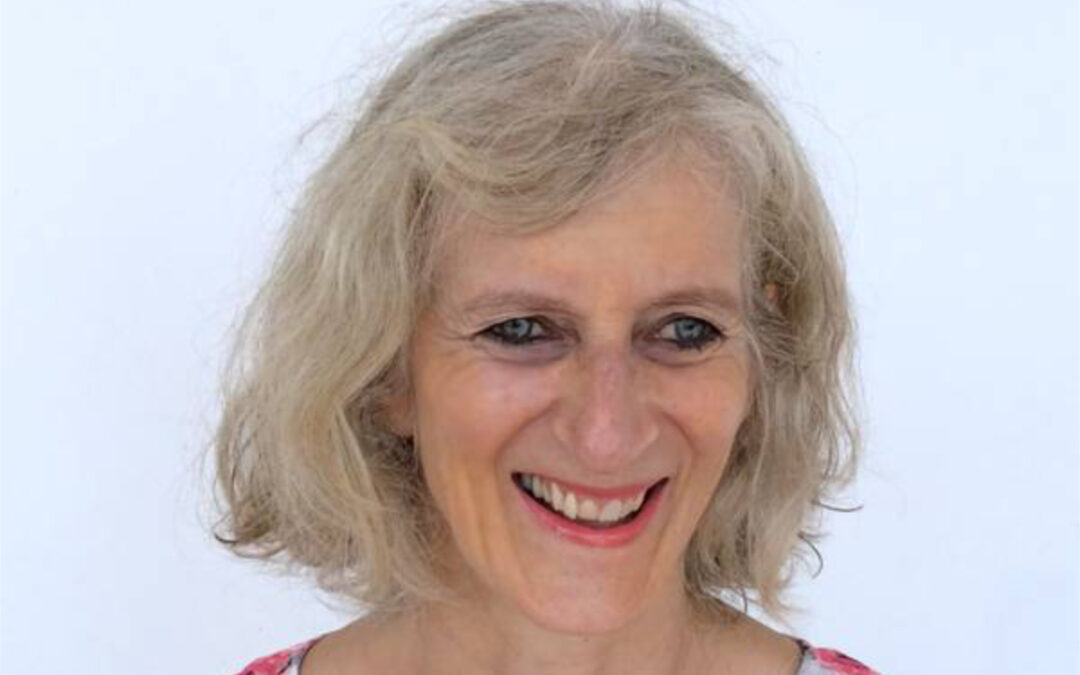
Brigitte Prud’hon

Brigitte Prud’hon

A path to healing

​Brigitte Prud’hon was born in France in 1962. She started her professional life in office jobs, mainly as an executive assistant. She then worked as an editorial secretary in the print media after retraining.

At the age of 40, her life took a new turn. This is when she met Dominique. Together, they began an in-depth research on the human being in all its dimensions. Together they made the pilgrimage to Compostela, a magnificent experience that would leave an unforgettable mark on her life.

They then left the sedentary life to live and travel in a camper. It is on this way that in 2004 they discover their master Henli Röder. They decided to study Chinese medicine, martial arts and Qi Gong with him.

Brigitte has always been curious about the human being. She was very interested in psychology to better understand the human psyche, and above all to learn more about herself. Suffering from depression and a deep malaise for years, she has undergone numerous therapies and taken many chemical drugs, without real success.

It is along this journey, started with Dominique on Compostela, and continued with her master in Holland, that she will finally find healing.

Brigitte has always been passionate about cooking, plants and nature. She is also interested in Feng Shui, as a valuable complement to Chinese medicine. She also plays classical guitar.

With a caring and sensitive nature, she loves more than anything to help people be healthier, and to discover their path to happiness and true freedom.

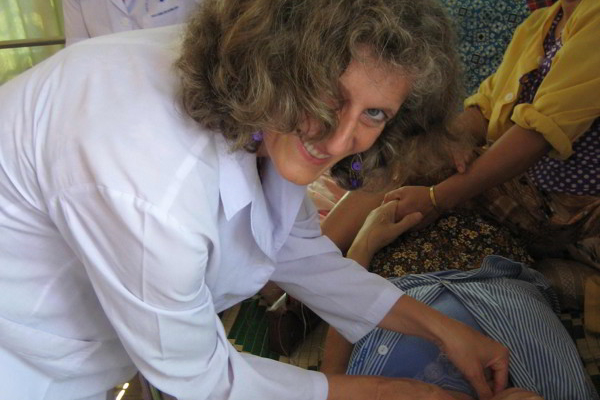
Memories of internship in Ha Noi