


A Living Transformation of Blood
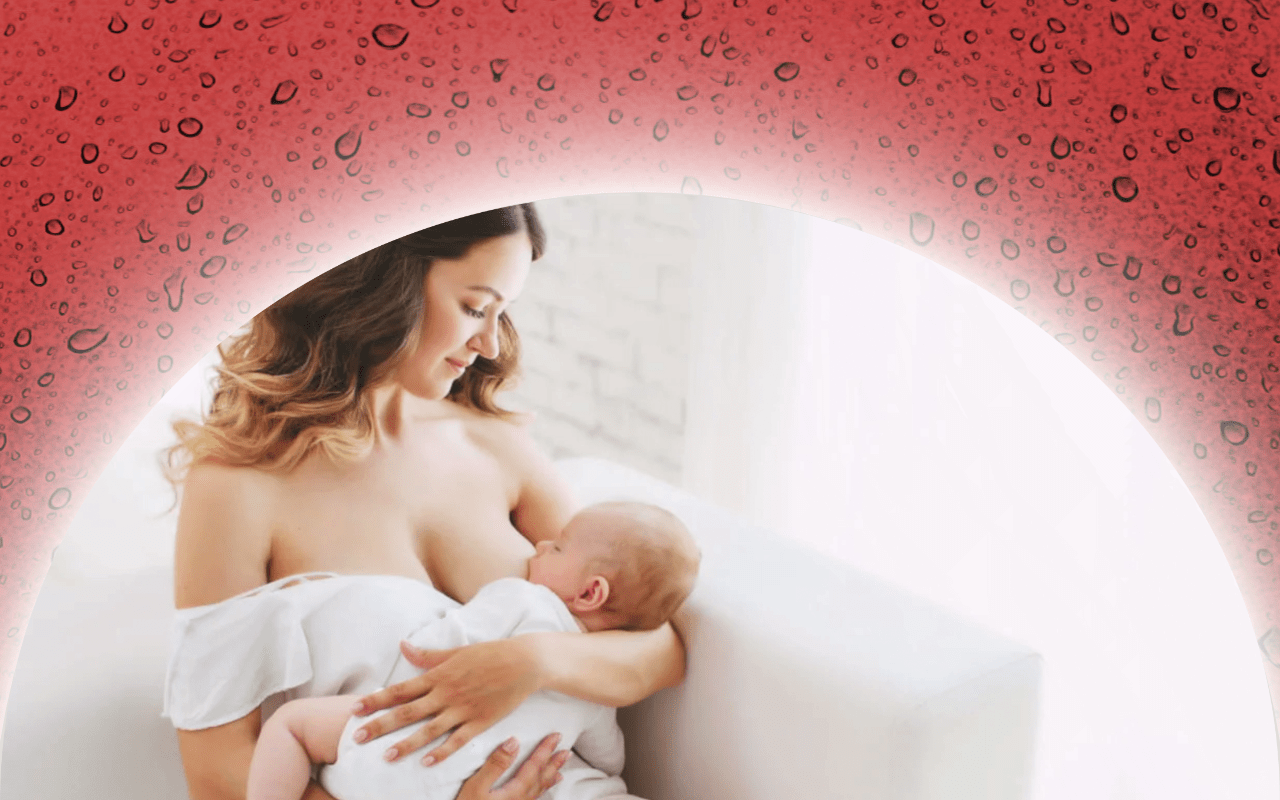
Mothers have been breastfeeding their children since the dawn of time. And yet, the formula milk industry has diverted many mothers from this essential practice for a child’s healthy development. Indeed, mothers transform their blood into a perfectly balanced food that the food industry has never been able to replicate.
Today, 47% of infants worldwide are exclusively breastfed. This means that 53% of babies receive formula or other supplements before the age of six months. However, breast milk, resulting from the living transformation of blood, constitutes the supremely harmonious food for infants. In fact, it is enriched with an adaptive intelligence that the child’s saliva helps to reveal. Formula milks cannot compete. Being inherently uniform, they cannot adapt to a child’s condition at any given moment.
The postpartum period according to TCM
According to the principles of the Huangdi Neijing, a classic of Traditional Chinese Medicine (TCM), breast milk (rǔzhī 乳汁) results from the transformation of Qi and Blood by the mother’s Spleen and Stomach. The Blood, nourished by the essences of food and postnatal Qi, becomes in the breastfeeding woman a warm, vibrant substance, perfectly suited to the still-weak Spleen of the infant.
As soon as the placenta is delivered, the postpartum period (产后期 chǎn hòu qī) begins. The mother’s body is then deficient in Qi and Blood. The pores of her skin and the meridians are more open. This makes her particularly vulnerable to external factors (cold, wind, overwork). This phase, often called the “golden month,” or Zuò Yuè Zi (坐月子), lasts for 30 to 40 days. During this phase, it is essential to nourish the Blood, strengthen the Spleen and Stomach, and restore internal harmony so that the transformation of Blood into breast milk occurs optimally.
As emphasized in the Fù Qīngzhǔ Nǚ Kē – as well as other texts – the immediate postpartum period is indeed marked by a significant consumption of Qi and Blood. “A woman’s milk comes from the transformation of Qi and Blood. Below, it becomes menstruation; above, it becomes milk,” states the Jǐngyuè Quánshū. Thus, milk and menstruation share the same source. According to the Tài Chǎn Xīn Fǎ: “In a postpartum woman, if the blood of the Chong and Ren organs is abundant and the Qi of the Spleen and Stomach is strong, then the milk production is sufficient.”
Diagnosis of imbalances
A lack of milk (quē rǔ) occurs primarily due to Qi/Blood deficiency or obstruction. According to clinical observations in Chinese hospitals, the causes include excessive blood loss, unresolved emotions, overconsumption of fatty foods, or a generally unbalanced lifestyle.
Points of differentiation:
- Clear milk and soft, unswollen breasts often reflect Qi and Blood deficiency.
- Thick milk and swollen, hard breasts often indicate Liver Qi stagnation or obstruction by phlegm-dampness.
The practitioner notices a pale tongue and a thready pulse, typically indicating deficiency. The breast belongs to the Stomach Yang Ming (阳明), and the nipple to the Liver Jue Yin (厥阴). The Spleen-Stomach is the source of Qi and Blood generation, while the Liver ensures their free circulation.

Solutions from Chinese medicine
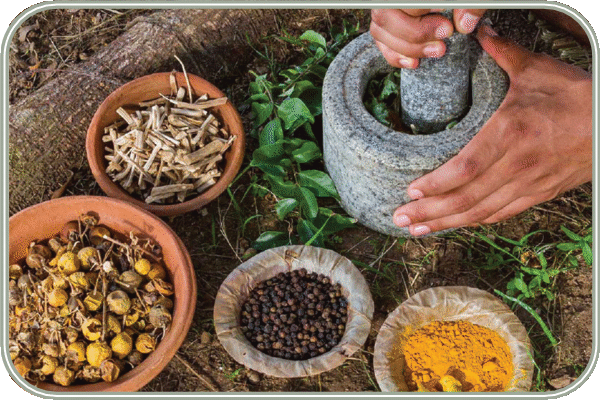
Diet plays a central role during the “golden month.” Warm, mild, and easily digestible foods are favored, as they strengthen the Spleen and produce high-quality Blood.
For Qi and Blood deficiency, several specific formulas exist that tonify and aid in milk production, and promote the circulation of Liver Qi in cases of stagnation.
Practitioners recommend professional breast massage and acupuncture to restore the generation and smooth flow of Qi and Blood. Early initiation of breastfeeding naturally stimulates this process.
The emotional impact and the mother-child bond
The state of the mother’s Liver, Heart, and Spleen directly influences the quality of her milk. Anger or frustration leads to stagnation; calmness and kindness promote abundant and harmonious milk production. This transmission through milk strengthens the mother-child bond and cultivates inner balance from the earliest months.
Breast milk, derived from the mother’s subtle essences, is easily digested by the child’s immature Spleen. This supports the child’s harmonious development without overloading them.
By cultivating rest, a suitable diet, gentle Qi circulation, and emotional management through wu wei (spiritual guidance), the mother preserves the vital transformation of the Blood. This protects the child from early stagnation and lays the foundation for robust health.
This path, described in the classics and more relevant than ever, highlights the superiority of a vibrant and adaptive diet over uniform and impersonal preparations. She encourages every mother to find her inner balance in order to give her child the best possible start in life.
A diet adapted to lactation
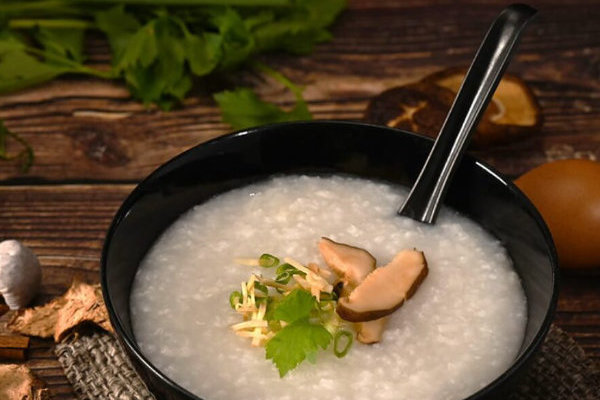
Diet plays a vital role in the postpartum period, as discussed above. Here are some foods that support lactation.
- Basic foods: rice, millet, oats, red dates (hóng zǎo), longans (lóng yǎn ròu), lotus seeds, and Chinese yam (shān yào).
- Nourishing broths and soups: chicken or pig’s foot broth with mild herbs (Huáng Qí, Dāng Guī in appropriate quantities), carp or light-colored fish soup. Pig’s foot is particularly beneficial for nourishing the Blood and promoting circulation to the breasts.
- Vegetables and roots: carrots, sweet potatoes, squash, turnips, and cooked spinach. Avoid raw and cold vegetables, which can harm the Spleen.
- Suitable proteins: well-cooked eggs, poultry, a small amount of warm beef or lamb, and white fish.
Examples of preparations: rice congee with red dates and Huang Qi (a type of spice); pig’s foot soup with peanuts and black soybeans; warm infusion of fresh ginger and red dates.
During this period, it is necessary to avoid or limit certain foods:
- raw foods, cold foods;
- cold dairy products, iced drinks ;
- chili peppers, coffee, alcohol, fried foods, and processed foods that generate Dampness or Heat, blocking milk production.
Dietary recommendations are always adapted to the individual’s constitution (tongue, pulse). In cases of Liver stasis related to tense emotions, foods that promote circulation, such as celery, are gradually added.
0 Comments